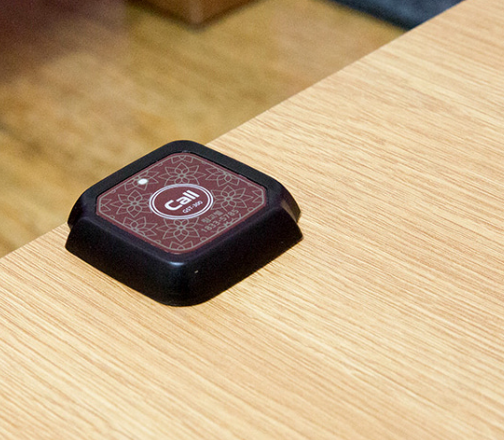
If you sit down at a restaurant in Korea and notice a small button on the table, do not panic. It is usually a call bell, and pressing it is completely normal. In many Korean restaurants, that button is the standard way to get staff attention instead of waiting for eye contact or waving someone over. Official Korea travel guidance even tells visitors to use it.
In Short
The button on many Korean restaurant tables is a call bell for service. You can press it when you need to order, ask for water, request more napkins, or get basic side dish help. In Korea, this is normal, not rude. Also, restaurants generally do not expect tips, and extra water or basic side dishes are often treated as part of the meal rather than as separate paid add-ons.
1. What Is the Button on Korean Restaurant Tables?
The button is usually a service bell built into the table or mounted on the wall nearby. In many places, pressing it sends a sound to alert the staff that a table needs help. Korea Tourism Organization guidance specifically notes that every table may have a call button and says visitors should press it when they need a server.
For first-time visitors, this can feel strange because in many countries calling staff too directly seems rude. In Korea, however, the call bell is part of the normal restaurant system. It is there to make service faster and more efficient, especially in busy places where staff are handling many tables at once. That is why you should think of it as a convenience feature, not a social risk. This explanation is partly an inference from how official travel guides present the bell as a normal built-in tool for service.
2. Why Is It So Common in Korea?
Korean restaurants are often designed for speed and practicality. Meals can arrive quickly, tables turn over fast, and many restaurants are built to serve groups efficiently. A call bell fits that system well because it reduces the need for staff to hover near every table.
This also matches a broader pattern in Korean dining culture. Official tourism guidance explains that Korean meals are typically served as a table full of rice, soup, and multiple side dishes called banchan, and many restaurants also use built-in drawers, table grills, and other practical features to make dining smoother. In other words, Korean restaurant layouts are often designed around convenience.
3. When Should You Press the Call Bell?
You can usually press it in a few normal situations:
When you are ready to order.
When you need more water.
When you need napkins, extra utensils, or help with the menu.
When you want to ask about side dishes or payment.
This is not considered pushy. It is exactly what the button is for. In fact, official Korea travel guidance says extra water or side dishes usually do not bring additional charges, and staff will help unless the restaurant uses a self-service setup.
That said, do not press it repeatedly unless nobody responds after a reasonable moment. One press is usually enough. Some bells are loud, and even the official guide warns that the sound may be louder than expected.
4. What About Water, Utensils, and Side Dishes?
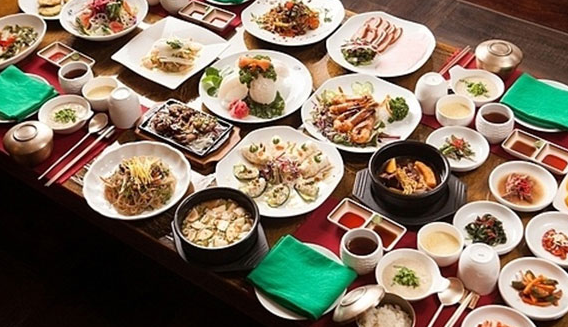
One of the most surprising things for many visitors is that Korean restaurants often include more table items automatically than they expect. Water may be self-service or staff-provided. Spoons, chopsticks, and napkins may be stored in a table drawer. Small side dishes often arrive before the main food and are part of the meal experience.
These small dishes are called banchan. Official Korean food guidance explains that Korean meals are commonly served as multiple dishes on small plates, and diners combine them with rice in different ways. In many set-style meals, rice, soup, and several side dishes form the basic structure of the table.
In many casual restaurants, basic banchan refills are still commonly treated as normal. However, there has recently been debate in Korea about whether some restaurants should start charging for certain refills because of rising food costs. So while visitors can usually expect basic side dishes to be included, it is smart not to assume that every premium or labor-intensive side dish is unlimited everywhere.
5. Is Pressing the Button Rude?
No. In Korea, pressing the call bell is usually more polite than loudly calling across the room. The bell exists so customers can ask for help without creating unnecessary disruption.
What matters more is how you use it. Press once, speak briefly, and keep your request simple. That feels normal in Korea. Repeatedly pressing the button, acting impatient, or treating staff rudely would still come across badly, but using the bell itself is not the problem.
6. Simple Korean Dining Habits Visitors Should Know
The call bell is only one part of Korean restaurant culture. A few other habits help first-time visitors feel more comfortable.
In Korean dining etiquette, it is common to begin eating after the eldest person at the table starts first. Official Seoul travel guidance also says people should generally avoid touching food with their fingers, except in cases like wrapping food in lettuce or cabbage.
This matters because some visitors overthink the wrong things. They worry about pressing the call bell, but the button itself is normal. The more important point is to stay calm, watch the table, and follow the general rhythm of the meal.
7. Why This Small Button Tells You a Lot About Korea
The Korean restaurant call bell is a tiny detail, but it reflects something bigger about daily life in Korea. Many systems are built for speed, density, and convenience. That is why first-time travelers often notice practical features like service buttons, utensil drawers, self-service water stations, and fast table turnover.
So if you see that little button, do not hesitate. Press it when you need help. Once you understand that, eating out in Korea becomes much less confusing and much more comfortable.
Before Visiting South Korea: 10 Essential Things to Know
Quick Comparison Table
| Situation | In Many Korean Restaurants | What First-Time Visitors Should Do |
|---|---|---|
| Getting staff attention | Use the call bell | Press once and wait |
| Water | Often free, sometimes self-service | Check the table or self-service station |
| Side dishes | Usually included with the meal | Enjoy them, but ask if unsure about refills |
| Utensils | Often stored in a table drawer | Check the drawer before asking |
| Tipping | Generally not expected | Just pay the bill normally |
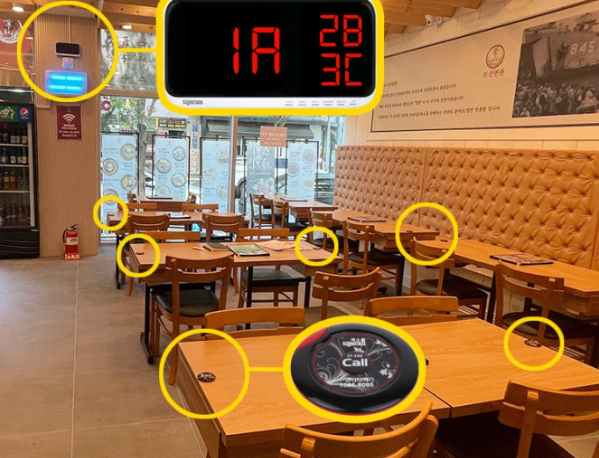
The “no tipping,” call bell, utensil drawer, and extra water or side-dish guidance above comes directly from official Korea travel information.
Final Thought
For many travelers, the Korean restaurant call bell feels unusual for about five minutes. After that, it starts to feel convenient. Once you understand how it works, eating in Korea becomes easier, smoother, and less awkward.