In Short
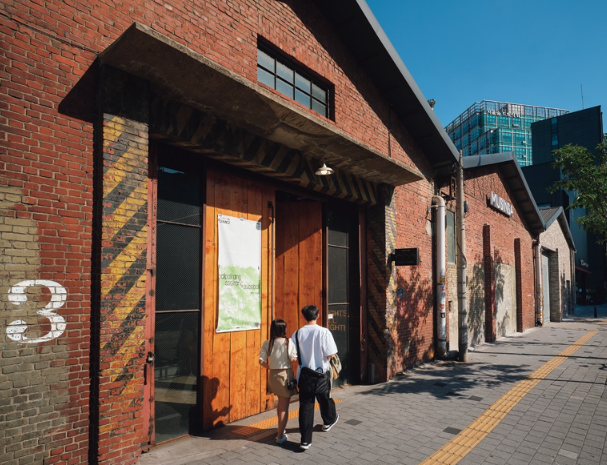
Yes, Seongsu-dong is worth visiting if you want a more modern, local, and trend-driven side of Seoul. It mixes old factory streets, stylish cafes, pop-up stores, handmade shoe workshops, and Seoul Forest in one neighborhood, so it works especially well for travelers who like walking, shopping, and taking photos. The area around Yeonmujang-gil grew out of old industrial streets and now feels very different from palace districts such as Bukchon or Insadong.
If you still prefer a more classic first-timer area, Myeongdong may feel easier than Seongsu.
1. What Makes Seongsu-dong Special?
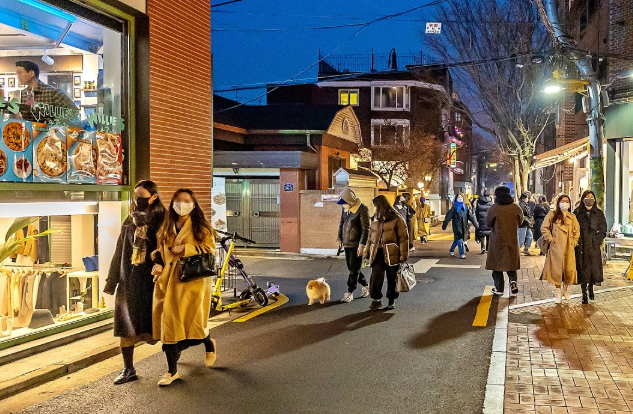
Seongsu-dong stands out because it does not feel like a traditional tourist district. Instead, it feels like a neighborhood that kept its industrial bones and then turned them into something new. Official tourism sources describe it as a former factory district that evolved into one of Seoul’s trendiest neighborhoods, with chic cafes, concept shops, designer showrooms, and pop-up stores. That blend of old workshops and new retail is the main reason people go.
Another reason Seongsu works well for visitors is variety. You can walk through cafe streets, stop by beauty and fashion spaces, browse pop-ups, and then move to Seoul Forest for a slower, greener part of the day. So, unlike neighborhoods that are built around one landmark, Seongsu gives you a fuller half-day or even full-day route.
2. Is Seongsu-dong Better Than Other Seoul Neighborhoods?
That depends on your travel style.
If you want hanok streets, history, and a classic Seoul look, Seongsu is not the best first choice. However, if you prefer trendy cafes, local brands, creative spaces, and a more contemporary city vibe, Seongsu may be a better fit than older tourist areas. In other words, Seongsu is for travelers who want to see where Seoul feels current rather than historical. This is also why the district keeps appearing in official Seoul and Korea tourism guides as a major lifestyle area.
3. The Best Things to Do in Seongsu-dong
Walk along Yeonmujang-gil
Yeonmujang-gil is one of the core streets in Seongsu. Official Seoul sources describe it as a long road that connects the area from Ttukseom Station through Seongsu Station and into the wider Seongsu zone. Today it is known for unique cafes and the mix of artisans and younger visitors that define the neighborhood.
Explore Seongsu-dong Cafe Street
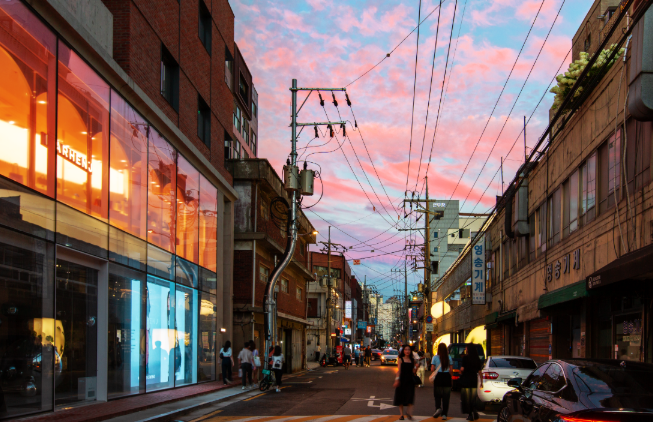
Seongsu-dong Cafe Street is the part many travelers picture first. Korea Tourism Organization information explains that the street kept traces of old car repair shops, printing factories, and shoe workshops while turning into a place filled with trendy cafes and culture. Daelim Warehouse is often highlighted as one of the spaces that helped define this warehouse-cafe style.
Visit the Handmade Shoes Street
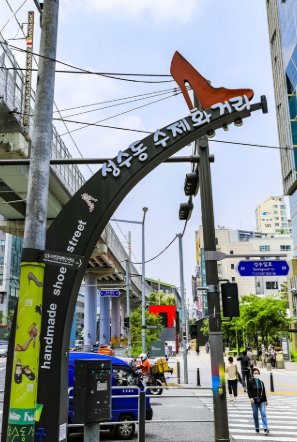
This is one of the details that makes Seongsu more than just another cafe area. According to official tourism information, the handmade shoe district developed from the 1970s and today includes around 350 handmade shoe manufacturers and about 100 related processing and raw material companies. That means the neighborhood still has a real working identity under the trendy surface.
Relax at Seoul Forest
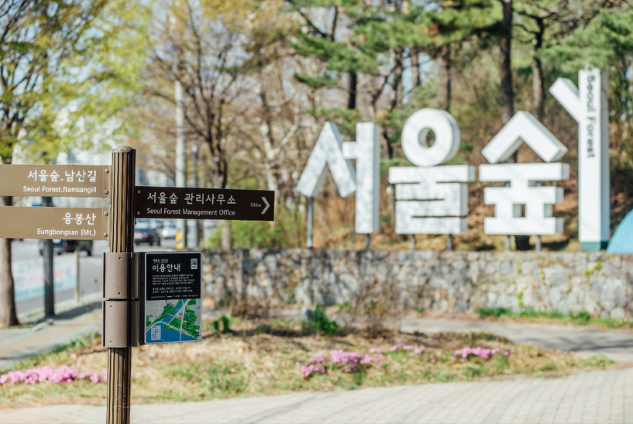
Seoul Forest gives Seongsu balance. After the busy streets, you can move into one of Seoul’s best urban green spaces. Official information lists Seoul Forest as a city park at 273 Ttukseom-ro, with the main park open 24 hours, free entry, and some facilities such as the Eco Forest and Insectarium running on separate schedules.
Add a museum stop if you want
If you want one indoor cultural stop, D MUSEUM Seongsu is an easy add-on near Seoul Forest. Korea Tourism Organization information says the museum relocated to the Seoul Forest area in 2021 and currently operates Tuesday to Friday and Sunday from 11:00 to 20:00, with extended Saturday hours until 21:00.
4. How to Plan a Good Half-Day in Seongsu
A simple route is the best way to enjoy the area:
Start near Seongsu Station, walk through the main streets and pop-up areas, continue toward Yeonmujang-gil, check out a cafe or two, pass by the Handmade Shoes Street, and then finish at Seoul Forest. This route works well because official sources place the tourism information center inside Seongsu Station, describe Yeonmujang-gil as the main connecting street, and show Seoul Forest as the natural green finish nearby.
If you are visiting between May and October 2026, you may also want to see whether your trip lines up with the Seoul International Garden Show season around Seoul Forest and the wider Seongsu area. That can make the final part of your route even more interesting.
5. Practical Tips Before You Go
Here are the basics that matter most.
| Item | What to know |
|---|---|
| Best for | Cafes, pop-ups, shopping, walking, photos |
| Main stations | Seongsu Station, Ttukseom Station, Seoul Forest Station nearby routes |
| Seoul Forest fee | Free |
| Seoul Forest hours | Main park open 24 hr, but some facilities have limited hours |
| Cafe Street hours | Area itself is open 24 hr, but each shop has its own hours |
| Tourist help | Seongsu Tourism Information Center is inside Seongsu Station |
One useful point is that Seongsu does not need a rigid checklist. In fact, it is better when you leave space for spontaneous stops. The neighborhood changes quickly because new cafes, restaurants, and pop-ups open all the time. That is part of the appeal.
6. Is Seongsu-dong Worth Visiting?
Yes, especially if this is not your first Seoul trip or if you already know you enjoy trend-focused neighborhoods. Seongsu-dong is one of the easiest places in Seoul to understand on foot, and it gives you a strong mix of creative retail, cafe culture, and park time. It also feels more current than many first-timer sightseeing zones. Because of that, Seongsu is not just “another cafe area.” It is one of the best places to see how Seoul turns old urban spaces into new cultural hotspots.
FAQ
How much time do you need in Seongsu-dong?
About 4 to 6 hours is enough for a relaxed visit with cafes, shopping, and Seoul Forest. That estimate is a practical recommendation based on the area’s layout between Seongsu Station, Yeonmujang-gil, the shoe district, and Seoul Forest. It is an itinerary judgment rather than an official rule.
Is Seongsu-dong good for first-time visitors to Seoul?
Yes, but only if you want modern Seoul more than historic Seoul. For palaces and old streets, another area may be better. For trendy shops, creative spaces, and cafes, Seongsu is one of the strongest choices.
Is Seoul Forest free?
Yes. Official tourism information lists Seoul Forest as free to enter, though some sections have separate operating hours.