In Short
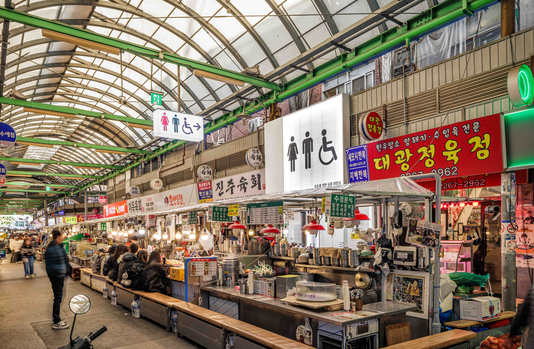
Yes, Gwangjang Market is worth visiting if you want classic Seoul food, a busy local atmosphere, and an easy stop between major sightseeing areas. However, it is best for travelers who enjoy crowded markets and simple, fast meals rather than a calm, polished experience. Gwangjang Market is one of Korea’s oldest permanent markets, and its food street remains the section most recommended for international visitors.
| Quick answer | Details |
|---|---|
| Best for | First-time visitors, food lovers, casual Seoul explorers |
| Skip it if | You dislike crowds, noise, or waiting in food lines |
| Time needed | About 1 to 2 hours |
| Best visit style | Come hungry, eat a few dishes, then move on to another nearby stop |
1. What Is Gwangjang Market?
Gwangjang Market is a historic traditional market in central Seoul. It opened in 1905 and is widely described by official tourism sources as Korea’s first permanent market. Today, it sells far more than food. You can also find fabrics, bedding, clothing, handicrafts, groceries, and household goods. Still, most foreign travelers come for the food street.
That is exactly why this place works so well for a travel blog. It gives visitors something they already expect from Seoul: local food, visual energy, and a market that feels old and alive at the same time. In other words, it is not a hidden gem. It is a famous stop that still feels useful for first-time travelers.
2. Why So Many Tourists Still Go
The biggest strength of Gwangjang Market is convenience. It sits in a central part of Seoul, so you can combine it with other sightseeing areas without much effort. The market also works for short visits. You do not need half a day. You can walk in, try two or three foods, look around, and leave feeling like you experienced a very recognizable side of Seoul.
It also remains relevant, not just historic. Seoul’s city government highlighted in 2025 that younger visitors are helping reshape the market with trendy pop-up spaces and newer retail energy, while the classic food stalls still pull in large crowds. That mix of old and new makes it easier to recommend to modern travelers.
3. What to Eat First
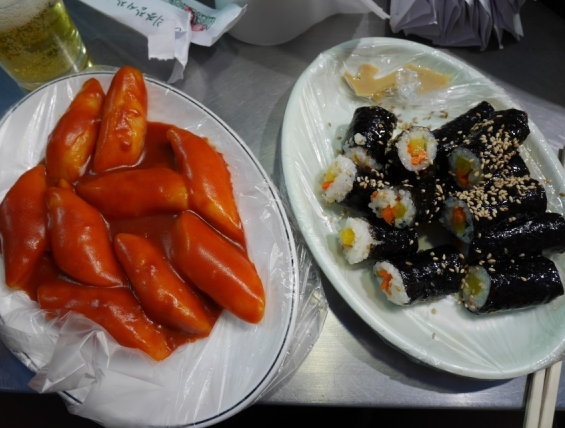
Most travelers visit Gwangjang Market for a few famous dishes. The best-known foods include bindaetteok (mung bean pancakes), mayak gimbap, hand-cut noodles, and beef tartare. Official Seoul tourism pages repeatedly point to these foods as signature items.
A simple strategy works best here. Do not sit down for one huge meal right away. Instead, try a few smaller dishes from well-known stalls. That way, you see more of the market and avoid leaving too full after your first stop.
A good first-timer route looks like this:
- Start with mayak gimbap for a light bite.
- Add bindaetteok for something hot and filling.
- Finish with noodles if you still feel hungry.
This approach feels more fun, and it fits the market better.
4. What You May Not Like
Gwangjang Market is popular for a reason, but that popularity creates its biggest weakness. It gets crowded. Seats fill fast. Lines form around famous stalls. Also, the atmosphere can feel hectic, especially during busy meal hours.
Some travelers expect a hidden local market and feel disappointed because the place is already very international. That is fair. If you want a quiet neighborhood market, this is probably not the best choice. Gwangjang Market is more of a classic “Seoul must-try food stop” than a peaceful local secret.
So the real question is not whether it is good. The real question is whether you enjoy lively, slightly chaotic places. If the answer is yes, this market usually lands well.
5. Best Time to Visit
Official tourism information says the general market operates from 09:00 to 18:00, charity stores from 10:00 to 19:00, and the food street from 09:00 to 23:00. The main market is generally closed on Sundays, but the food street stays open year-round. Because sections run differently, visitors should treat these as area-based hours rather than one single rule for every stall.
For the best experience, late morning or early afternoon usually works well. You get the market atmosphere without the heaviest dinner crowd. If you only care about energy and food buzz, early evening can be exciting. Still, it will feel much busier.
You can also check the latest official visitor information before your trip.
6. How to Get There
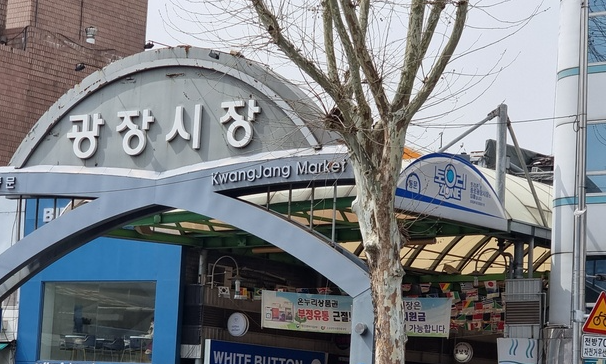
The official address is 88, Changgyeonggung-ro, Jongno-gu, Seoul. Official local guidance also notes easy subway access from Jongno 5-ga Station Exit 8 and from Euljiro 4-ga Station Exit 4. Cards are accepted, and parking is available, although subway is usually the easier choice for most travelers.
That easy access is another reason this topic performs well. Travelers do not need complicated planning. They can add Gwangjang Market to a Seoul day almost by default.
7. Final Verdict
Gwangjang Market is worth visiting for most first-time travelers to Seoul. It is central, famous, easy to understand, and full of foods people already want to try. It also has real history behind it, not just internet hype.
At the same time, it is not for everyone. If you want quiet streets, slow browsing, and zero crowds, skip it. But if you want one of the easiest ways to taste a classic Seoul market atmosphere, Gwangjang Market still earns its reputation.
FAQ
Is Gwangjang Market touristy?
Yes. It is popular with both locals and international visitors. Still, that does not make it pointless. It just means you should expect a busy atmosphere.
Is Gwangjang Market good for first-time visitors?
Yes. It is one of the easiest traditional markets in Seoul for first-time travelers because it is central, famous, and easy to visit in a short time.
What is Gwangjang Market famous for?
It is most famous for its food street, especially mung bean pancakes, mayak gimbap, noodles, and beef tartare.
Pingback: Everland Korea: The Seoul Day Trip That Can Ruin Your Schedule - Korean Culture Life