In Short
Yes, DDP Seoul is worth visiting for most first-time travelers, especially if you like modern architecture, night views, and easy indoor-outdoor stops in central Seoul. However, it is usually best as a 1 to 2 hour stop, not a full-day attraction. DDP is at 281 Eulji-ro, Jung-gu, Seoul, and VISITKOREA lists general operating hours as 10:00 a.m. to 8:00 p.m., while official Seoul information notes that hours can vary by exhibition and space.
1. What is DDP in Seoul?
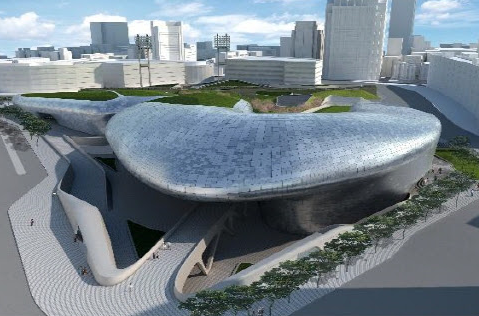
DDP stands for Dongdaemun Design Plaza. It is a large cultural complex in central Seoul that hosts exhibitions, fashion shows, forums, conferences, and other design-related events. Official tourism information also notes that the building was designed by Zaha Hadid, and Seoul’s official archive says DDP officially opened on March 21, 2014.
What makes DDP famous is not just what happens inside. The building itself is the attraction. Its curved metallic exterior is one of the most recognizable pieces of modern architecture in Seoul, which is why many travelers visit even when they are not planning to see a specific exhibition.
2. Quick facts travelers usually want first
| Item | Information |
|---|---|
| Full name | Dongdaemun Design Plaza (DDP) |
| Address | 281 Eulji-ro, Jung-gu, Seoul |
| General hours | 10:00–20:00 |
| Holiday info | Closed on New Year’s Day, Seollal day, and Chuseok day; some spaces have separate schedules |
| Admission | Free entry to the complex, but some exhibitions and programs charge fees |
| Best for | Architecture lovers, photo spots, design events, rainy-day city stop |
| Subway access | Dongdaemun History & Culture Park Station, Exit 1 |
| Good visit length | About 1–2 hours |
Check the official DDP website for current exhibitions and events.
The address, general operating hours, holiday information, pricing notes, and Exit 1 access are listed by VISITKOREA and DDP’s official guide pages.
3. Why do so many people visit DDP?
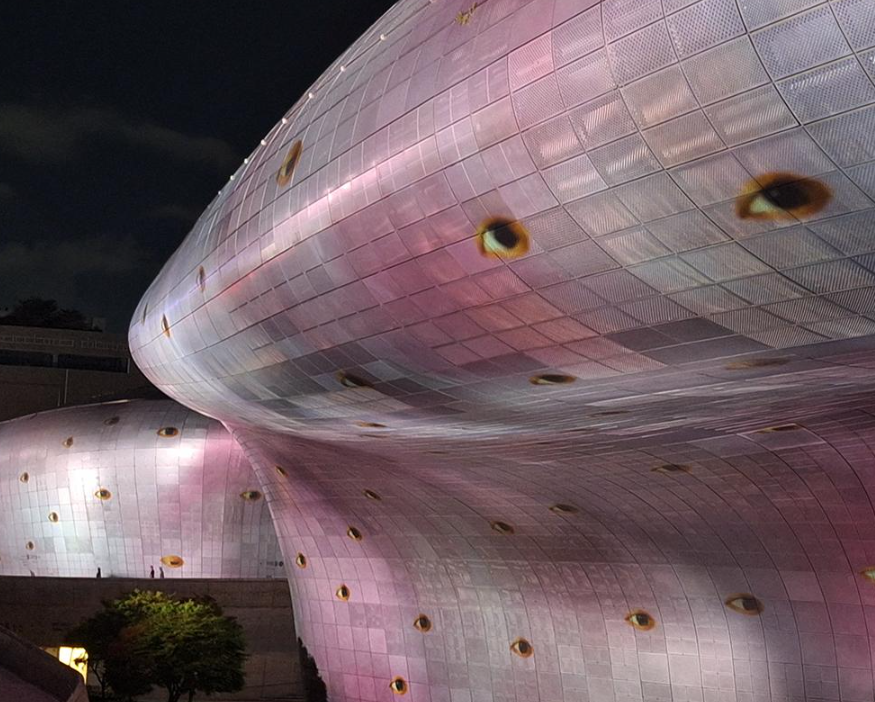
The biggest reason is the architecture. DDP is one of the most visually distinctive places in Seoul, and official sources repeatedly describe it as a space where design, fashion, art, and technology come together. That makes it appealing even to travelers who usually skip museums.
Another reason is that DDP is not only a daytime attraction. Seoul’s official archive highlights Seoul Light DDP, a recurring media facade event held in summer, fall, and winter, and describes it as one of the site’s signature nighttime draws. That gives DDP more value than a place that only looks good in daylight.
4. Is it actually worth your time?
For most first-time visitors, yes. DDP works well because it is central, easy to reach by subway, visually memorable, and flexible. You can visit quickly, stay longer for an exhibition, or simply stop for photos without needing a complicated plan. That combination makes it one of the easier modern Seoul attractions to recommend.
Still, it can feel overrated if you expect a huge traditional sightseeing experience. DDP is strongest as a modern design landmark, not as a palace, market, or old neighborhood full of street life. So the honest answer is this: it is worth visiting, but mostly as a stylish city stop rather than the main centerpiece of your Seoul trip. This is my judgment based on the official description of its facilities, programming, and access.
5. Who should go and who can skip it?
If you enjoy architecture, photography, futuristic city views, or modern cultural spaces, DDP is a very good pick. It also works well on rainy days because part of the experience is indoors, and the location is directly connected to a major subway station area.
On the other hand, travelers who only want old Seoul, royal palaces, hanok streets, or traditional food markets may not rank DDP very high. It is much more about contemporary Seoul than historic Seoul. That recommendation is an interpretation based on DDP’s official role as a design and culture complex.
6. How long should you stay?
For most travelers, 1 to 2 hours is enough. That gives you time to walk around the exterior, look inside the main spaces, take photos, and briefly browse any open exhibitions or design-related areas. If there is a special exhibition you want to see, you may stay longer, but DDP usually works best as part of a bigger day rather than a stand-alone full schedule. This timing is my practical recommendation based on the site’s role and general visitor use.
7. When is the best time to visit?
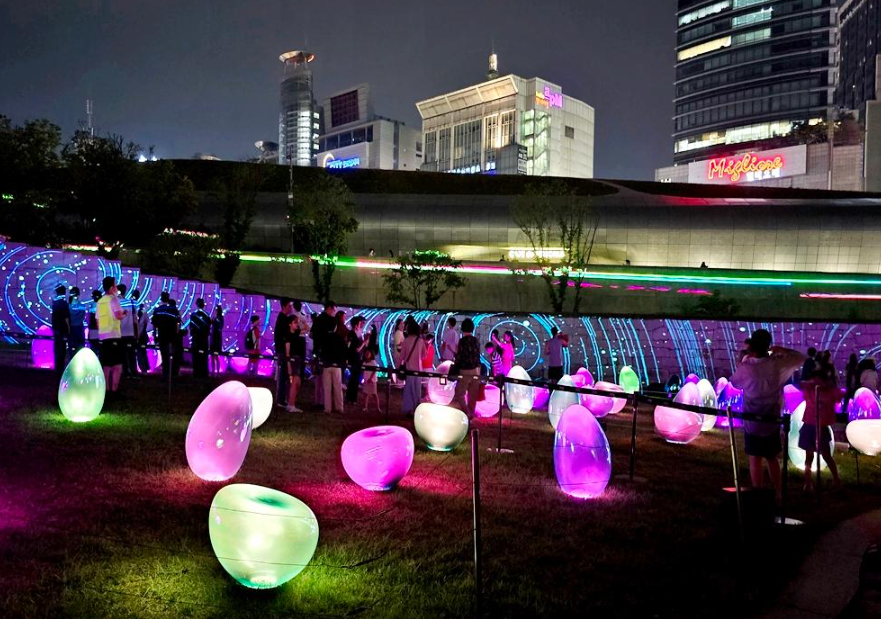
If your goal is architecture photos, late afternoon is a strong choice because you can see the building in daylight and stay into the evening. If your goal is atmosphere, nighttime is often better, especially when seasonal lighting or media facade programs are running. Seoul’s official archive specifically presents Seoul Light DDP as a signature night attraction.
So for most readers, the best simple advice is: go in the late afternoon and stay until evening. That gives you the broadest experience without needing a separate second visit. This is an itinerary recommendation based on DDP’s daytime design appeal and nighttime event positioning.
8. How do you get there?
The easiest way is by subway. DDP’s official transportation guide says Dongdaemun History & Culture Park Station (Lines 2, 4, and 5), Exit 1 is the closest access point to major DDP areas. VISITKOREA also lists the same central location in Jung-gu.
That easy station access is one of the biggest reasons DDP fits well into a first-time Seoul itinerary. You do not need a taxi, and you do not need to walk far once you arrive. This is my conclusion based on the official directions.
9. What should you combine it with?
DDP works best when paired with the wider Dongdaemun area rather than treated as an isolated destination. Because it sits in a busy central district and functions as a design, tourism, and culture landmark, it is easy to add to an afternoon or evening city route.
A simple plan looks like this: DDP → nearby Dongdaemun walk → dinner or shopping. That structure usually makes more sense than traveling across Seoul only to spend 30 minutes at DDP and leave immediately. This is an itinerary judgment based on DDP’s location and role in the area.
10. Final verdict: Is DDP Seoul worth visiting?
Yes, DDP Seoul is worth visiting for most travelers. It is not the most traditional place in Seoul, and it is not the kind of attraction where everyone needs half a day. But it is visually unique, easy to access, good for photos, and often more flexible than many bigger attractions.
So the honest answer is simple: go if you want modern Seoul, especially architecture, design, and evening city mood. Skip it only if your schedule is very tight and you want to focus only on traditional areas.