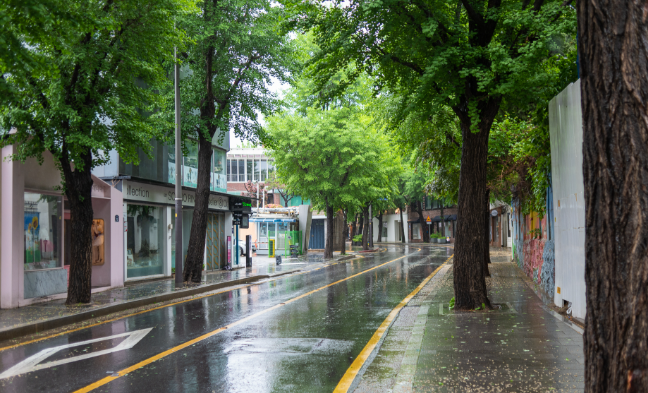
Korea rainy season sounds scary if you are planning your first trip.
You may imagine nonstop rain, ruined photos, flooded streets, canceled plans, and a suitcase full of wet clothes. And honestly, that can happen if you plan your trip badly.
But here is the real answer: Korea rainy season does not automatically ruin your trip. It only ruins trips that are planned like the weather will be perfect every day.
South Korea has four distinct seasons, and summer is usually hot and humid. VisitKorea also describes Korean summer as hot and humid, while spring and autumn are clearer and milder seasons.
Source: https://english.visitkorea.or.kr/svc/contents/infoBscView.do?vcontsId=140636
So if you visit Korea in late June, July, or August, you need a different travel strategy. You should not plan every day around outdoor palaces, hiking, open-air markets, and long walks. Instead, you need backup indoor spots, flexible timing, waterproof shoes, and a realistic attitude.
This guide explains what Korea rainy season is actually like, what tourists get wrong, and how to survive it without wasting your trip.
VisitKorea climate information
In Short
Korea rainy season is not a reason to cancel your trip, but it is a reason to plan smarter.
If you visit during summer, expect humidity, sudden showers, cloudy skies, and possible heavy rain. Some days may still be perfectly fine for sightseeing. Other days may feel uncomfortable, sticky, and frustrating.
The biggest mistake is not the rain itself. The biggest mistake is planning a Korea trip as if every day will be sunny.
If you prepare indoor plans, check the weather daily, wear the right shoes, and avoid overpacking your schedule, Korea rainy season can still be manageable.
1. What Is Korea Rainy Season?
Korea rainy season is commonly called “jangma” in Korean.
It usually refers to the summer rainy period when Korea gets frequent rain, heavy humidity, cloudy skies, and unstable weather. It is not exactly the same every year. Some years feel extremely wet. Some years are shorter or less predictable.
This is important because many tourists search for one simple answer like, “When does Korea rainy season start?” But weather does not follow a perfect travel blog calendar.
In general, many travelers associate Korea rainy season with late June to July. However, summer weather can still feel hot, wet, and uncomfortable into August.
So instead of asking only, “Will it rain?” ask a better question:
“Can my itinerary still work if it rains?”
That is the question that saves your trip.
2. When Is Korea Rainy Season?
For most tourists, the risky period is from late June through July.
However, you should not treat this as a fixed rule. Weather patterns change, and rainy season timing can shift. Some years may bring earlier or later rain. Some days may have short showers. Other days may bring serious downpours.
This matters because a tourist visiting Seoul for four days in July may experience very different weather from another tourist visiting Busan the same week.
A better travel mindset is this:
| Month | Rain Risk | Travel Feeling |
|---|---|---|
| May | Lower | Usually easier for walking and sightseeing |
| Early June | Medium | Warm, but still manageable |
| Late June | Higher | Rainy season risk begins |
| July | Highest | Humid, wet, and unpredictable |
| August | Medium to high | Hot, humid, sometimes stormy |
| September | Medium | Often better than peak summer |
If you have full control over your travel dates, spring and autumn are usually more comfortable. But if you can only visit in summer, do not panic. You just need a smarter plan.
3. Will Korea Rainy Season Ruin Your Trip?
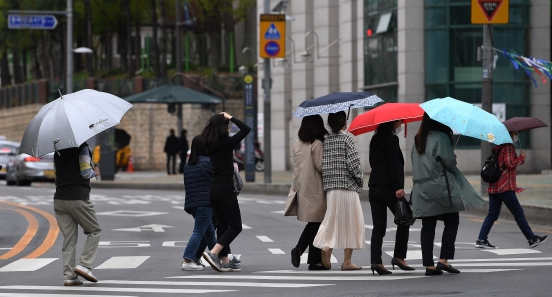
It depends on your itinerary.
If your trip is full of outdoor spots, rainy season can be painful. For example, palaces, hanok villages, hiking trails, beaches, open-air markets, and rooftop views are much less enjoyable in heavy rain.
But if your trip includes indoor attractions, cafés, shopping malls, museums, underground malls, restaurants, spas, and cultural activities, rainy season becomes much easier to handle.
Here is the honest breakdown:
| Travel Style | Rainy Season Risk | Why |
|---|---|---|
| Palace and hanok photos | High | Rain can ruin walking and photos |
| Hiking trip | Very high | Trails may be slippery or unsafe |
| Shopping trip | Low | Korea has many indoor malls |
| Café hopping | Low | Rain can even improve the mood |
| Museum trip | Low | Great indoor backup plan |
| Beach trip | High | Rain and cloudy skies reduce the experience |
| Food-focused trip | Medium | Still possible, but moving around is annoying |
| First-time Seoul trip | Medium | Good if you balance indoor and outdoor plans |
So no, Korea rainy season does not automatically destroy your trip. But it can expose weak planning very quickly.
4. The Biggest Mistake Tourists Make
The biggest mistake is planning too many outdoor activities in one day.
For example, this is a bad rainy season plan:
Morning: Gyeongbokgung Palace
Afternoon: Bukchon Hanok Village
Evening: Namsan walk
Night: Han River picnic
That itinerary may look beautiful on Instagram. But if it rains heavily, the entire day becomes uncomfortable.
A smarter rainy season plan looks like this:
Morning: Palace or outdoor area if the weather is clear
Afternoon: Museum, mall, café, or indoor attraction
Evening: Restaurant, spa, shopping, or underground area
In rainy season, every day should have a backup plan.
That does not mean your trip becomes boring. It means you are not gambling your whole day on the sky.
5. Seoul During Rainy Season: Good or Bad?
Seoul is one of the easier places to visit during Korea rainy season.
Why? Because Seoul has many indoor options. You can move between subway stations, malls, museums, cafés, department stores, restaurants, and underground shopping areas.
If it rains in Seoul, you still have choices.
Good rainy-day options in Seoul include:
| Place Type | Why It Works |
|---|---|
| Museums | Dry, calm, and good for long visits |
| Department stores | Food courts, shopping, cafés, restrooms |
| Underground malls | Useful when rain is heavy |
| Large cafés | Good for resting during downpours |
| Jjimjilbang | Great when you are tired and wet |
| COEX area | Indoor shopping and Starfield Library |
| The Hyundai Seoul | Big indoor shopping and food option |
The key is not to force outdoor sightseeing during the worst rain of the day.
If the morning is clear, go outside. If the afternoon turns ugly, move indoors. Seoul rewards flexible travelers.
6. Busan During Rainy Season: More Risky Than Seoul?
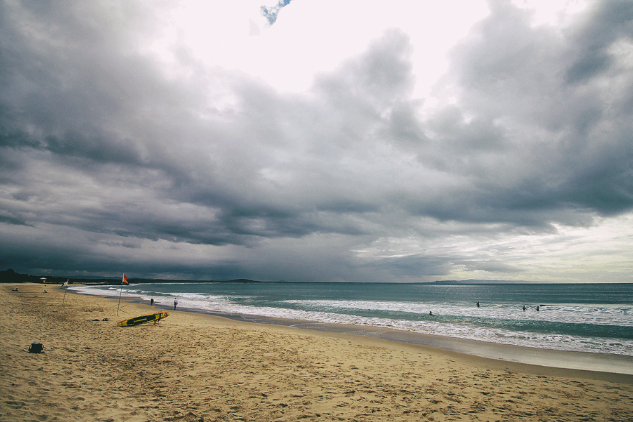
Busan can still be fun during rainy season, but it depends more on your expectations.
Many tourists go to Busan for beaches, ocean views, coastal walks, seafood markets, and scenic photo spots. Those are exactly the things that become weaker in heavy rain.
Haeundae Beach, Gwangalli Beach, Taejongdae, coastal trains, and ocean-view cafés can still be beautiful on cloudy days. But if you visit Busan mainly for blue skies and beach photos, rainy season may disappoint you.
That does not mean Busan is impossible.
A rainy Busan plan should include:
| Plan | Rainy Season Use |
|---|---|
| Spa or sauna | Good recovery plan |
| Department stores | Useful during heavy rain |
| Seafood restaurants | Still enjoyable |
| Cafés | Good for waiting out showers |
| Museums or exhibitions | Better than forcing beach time |
| Short beach walks | Good only during lighter rain |
If your Busan trip is short, avoid making every plan depend on the beach.
7. Jeju During Rainy Season: Beautiful or Dangerous?
Jeju is beautiful, but rainy season can be tricky.
The island is famous for outdoor attractions: waterfalls, beaches, oreum hills, coastal roads, sunrise spots, and walking trails. Rain can make some of these places atmospheric, but it can also make them slippery, foggy, or less enjoyable.
If your dream Jeju trip is full of clear ocean views and sunrise photos, rainy season is risky. If you are okay with cafés, museums, food, forests, and slower travel, Jeju can still work.
The most important rule in Jeju is this:
Do not force hikes, cliffs, or coastal walks during bad weather.
Wet rocks, strong wind, and poor visibility can turn a normal tourist stop into a bad idea. Always check local weather and conditions before going to outdoor natural spots.
8. What Should You Pack?
Packing badly can make Korea rainy season feel twice as miserable.
Do not only bring pretty outfits. Bring practical items too.
| Item | Why You Need It |
|---|---|
| Small umbrella | Easy to buy in Korea, but useful immediately |
| Light rain jacket | Better than sweating under a heavy coat |
| Waterproof or quick-dry shoes | Wet socks can ruin the day |
| Extra socks | Simple but very important |
| Plastic bag | Useful for wet umbrella or clothes |
| Portable fan | Humidity can feel worse than rain |
| Quick-dry clothes | Jeans can feel terrible when wet |
| Waterproof phone pouch | Helpful during heavy rain |
| Small towel | Useful after sudden showers |
Avoid heavy cotton outfits if you plan to walk a lot. Once they get wet, they stay uncomfortable.
Also, do not rely only on sandals. Some sandals become slippery in subway stations, malls, and wet streets. Comfortable shoes with decent grip are much safer.
9. Should You Still Visit Palaces?
Yes, but choose your timing carefully.
Korean palaces can look beautiful in the rain. The stone paths, traditional roofs, and quiet atmosphere can feel very cinematic. However, heavy rain makes the experience uncomfortable, especially if you are trying to take photos or wear hanbok.
If you plan to rent hanbok, rainy season becomes more complicated. Long fabric, wet ground, umbrellas, and crowded photo spots are not a great combination.
A good strategy is to check the weather in the morning. If there is a clear window, visit the palace early. If rain is expected all day, move the palace plan to another day and choose an indoor attraction instead.
Do not force your palace visit just because it is on your schedule.
10. Best Indoor Backup Plans in Korea

Rainy season becomes much easier when you prepare backup plans before the trip.
Here are strong indoor options:
| City | Indoor Backup Ideas |
|---|---|
| Seoul | National Museum of Korea, COEX, The Hyundai Seoul, underground malls, cafés |
| Busan | Shinsegae Centum City, cafés, spas, seafood restaurants |
| Jeju | Museums, cafés, indoor markets, restaurants |
| Incheon | Airport area, malls, Chinatown restaurants |
| Daegu | Department stores, cafés, museums |
| Daejeon | Science museums, cafés, shopping areas |
The trick is to save indoor spots for bad-weather days. Do not waste all your indoor attractions on sunny days and leave only outdoor plans for rainy days.
A flexible Korea itinerary is always better than a perfect-looking itinerary.
11. Transportation During Rainy Season
Korea’s public transportation is usually very useful during rainy season.
Subways are especially helpful in Seoul because they let you avoid long walks above ground. Buses are also useful, but traffic can feel slower when weather is bad.
Taxis may become harder to catch during heavy rain, especially around busy areas, late nights, and popular shopping districts. This happens in many big cities, and Seoul is no exception.
So do not plan a tight schedule with short transfer times during heavy rain.
A rainy season transportation rule:
Add extra time to everything.
If Google Maps or Naver Map says something takes 30 minutes, assume it may take longer when it is raining. Wet sidewalks, crowded stations, umbrella traffic, and slower movement all add up.
12. Is Korea Rainy Season Cheap?
Sometimes, but not always.
You might think rainy season means cheaper travel. That can be true for some flights or hotels, but summer is also a popular travel period for students, families, and domestic tourists.
So prices depend on timing, destination, events, and booking demand.
For example, beach areas can still be busy in summer. Seoul can also remain active because many tourists visit regardless of weather.
The better reason to visit during rainy season is not always price. It may be because summer is the only time you can travel.
If that is your situation, the goal is not to avoid Korea. The goal is to build a rain-proof itinerary.
13. Best Rainy Season Itinerary Strategy
Here is the easiest way to plan Korea during rainy season:
Choose one outdoor priority per day.
Not three. Not four. Just one.
Then build the rest of the day around indoor or flexible activities.
Example:
| Time | Plan |
|---|---|
| Morning | Outdoor attraction if weather allows |
| Lunch | Restaurant near subway station |
| Afternoon | Museum, mall, café, or indoor activity |
| Evening | Shopping, food street, spa, or indoor market |
This gives you freedom. If the weather is good, you can stay outside longer. If it rains, your day is not destroyed.
Tourists who overplan suffer the most during rainy season. Tourists who stay flexible usually do fine.
14. Who Should Avoid Korea Rainy Season?
Some travelers should avoid it if possible.
You may want to avoid Korea rainy season if:
| Traveler Type | Reason |
|---|---|
| You hate humidity | Korean summer can feel sticky |
| You want perfect photos | Rain and clouds can ruin your visual plan |
| You plan to hike a lot | Trails may be slippery |
| You want a beach-focused trip | Weather may disappoint you |
| You travel with very young kids | Rainy movement can be stressful |
| You have only 2–3 days | Bad weather can affect a large part of the trip |
But if your trip is food, shopping, cafés, museums, culture, and city exploring, rainy season is much more manageable.
15. Final Verdict: Should You Visit Korea During Rainy Season?
Yes, you can visit Korea during rainy season.
But you should not visit blindly.
Korea rainy season is not the best time for perfect weather, outdoor photos, hiking, or beach-heavy travel. It can be hot, humid, wet, and unpredictable. Some days may feel uncomfortable. Some plans may need to change.
However, Korea is not only an outdoor destination. Seoul has excellent indoor attractions, shopping areas, cafés, museums, restaurants, and subway access. Busan and Jeju are riskier if your plans depend heavily on ocean views, but they can still work with backup ideas.
The real problem is not rainy season itself.
The real problem is pretending rainy season does not exist.
If you pack correctly, plan flexibly, and keep indoor options ready, your Korea trip can still be great. But if you book every day around outdoor sightseeing and perfect weather, Korea rainy season may punish you fast.
So here is the honest answer:
Korea rainy season will not always ruin your trip. But bad planning definitely can.
FAQ
When is Korea rainy season?
Korea rainy season is usually associated with late June and July, but the exact timing changes every year.
Is July a bad time to visit Korea?
July can be difficult because of rain, humidity, and heat. However, it can still be manageable with indoor plans and flexible scheduling.
Does it rain all day during Korea rainy season?
Not always. Some days have short showers, while other days may bring long or heavy rain. Weather can change quickly.
Is Seoul okay during rainy season?
Yes. Seoul is one of the easier places to visit during rainy season because it has many indoor attractions, malls, cafés, museums, and subway connections.
Is Jeju bad during rainy season?
Jeju is riskier during rainy season because many attractions are outdoors. It can still be enjoyable, but travelers need backup plans.
What should I wear in Korea rainy season?
Wear light, quick-dry clothes and comfortable shoes with good grip. Bring extra socks, a small umbrella, and a light rain jacket.