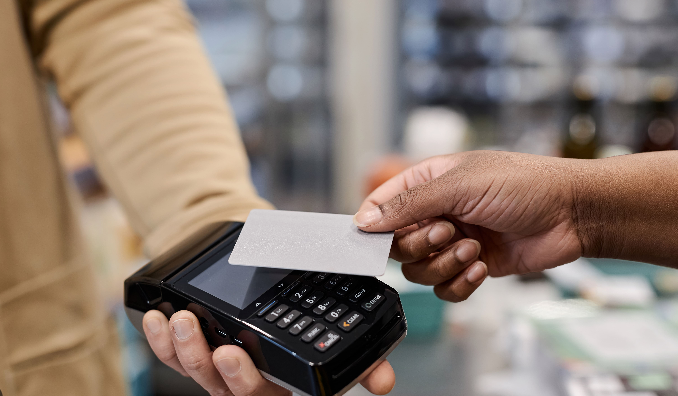
Tipping in Korea is one of those small travel questions that can make tourists nervous.
In some countries, not tipping feels rude. In other countries, tipping too much feels strange. Korea is closer to the second case.
If you are visiting South Korea for the first time, you may wonder whether you should tip restaurant servers, taxi drivers, hotel staff, tour guides, hair salons, massage shops, or cafe workers. The simple answer is this: tipping is not expected in most everyday situations in Korea.
But that does not mean the topic is completely simple.
Some tourist-heavy places may accept tips. Some private tour guides may appreciate them. Some luxury hotels or foreigner-focused services may understand tipping better than small local restaurants. At the same time, handing cash directly to a server in a normal Korean restaurant can create confusion.
So, is tipping in Korea a polite gesture or an awkward mistake?
Here is the honest guide.
In Short
Tipping in Korea is generally not expected. You do not need to tip at most restaurants, cafes, taxis, convenience stores, salons, or normal hotels. In fact, forcing a tip can sometimes feel awkward. However, tipping may be acceptable for private tour guides, special services, or foreigner-focused experiences. When in doubt, do not tip unless the situation clearly suggests it.
1. Is Tipping Expected in Korea?
No, tipping is not normally expected in Korea.
This is one of the biggest differences between Korea and countries like the United States. In Korea, the listed price is usually what you pay. Restaurant workers, taxi drivers, cafe staff, and hotel employees do not usually expect customers to add extra money.
For tourists, this can feel strange at first. You may finish a meal and feel like you are “forgetting something” because there is no tip line, no 15% calculation, and no pressure from the server.
But in Korea, that is normal.
Good service is usually treated as part of the job, not something that requires an extra payment from the customer. A polite “thank you” is usually enough.
2. Can Tipping Be Rude in Korea?
Sometimes, yes.
Tipping in Korea is not always offensive, but it can create an awkward moment. If you leave cash on a restaurant table, the staff may think you forgot your money. If you hand money directly to a server, they may refuse it or look confused.
The problem is not that Koreans hate generosity. The problem is that tipping is not part of normal everyday service culture.
In a regular Korean restaurant, cafe, taxi, or small shop, the worker may not know whether they are supposed to accept the money. Some people may feel uncomfortable because it can seem like you are treating them differently or turning a normal service exchange into something unusual.
So the safest rule is simple:
Do not tip in normal everyday situations.
Be polite, say thank you, and pay the listed price.
3. Do You Tip at Korean Restaurants?
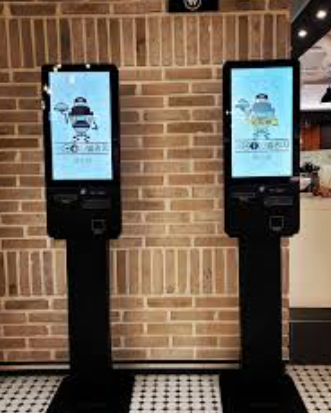
Usually, no.
You do not need to tip at normal Korean restaurants. This includes barbecue restaurants, noodle shops, gukbap restaurants, fried chicken places, casual Korean restaurants, food courts, and most local dining spots.
In many Korean restaurants, you may also pay at the counter after eating. There may be no waiter bringing a card machine to your table. You simply go to the cashier, pay the amount on the bill, and leave.
That is normal.
Here is a simple restaurant guide.
| Place | Should You Tip? | What to Do Instead |
|---|---|---|
| Korean BBQ restaurant | No | Say thank you and pay the bill |
| Casual local restaurant | No | Pay at the counter |
| Food court | No | Return your tray if needed |
| Street food stall | No | Pay the listed price |
| Fine dining restaurant | Usually no | Check if service charge is included |
| Foreigner-heavy restaurant | Maybe | Only tip if it clearly feels accepted |
If a restaurant has a tip jar, you can choose to leave small change. But if there is no tip jar and no clear tipping system, do not force it.
4. Do You Tip at Cafes in Korea?
No, you usually do not tip at cafes in Korea.
Korean cafe culture is strong, but tipping is not part of it. You order at the counter or kiosk, receive a buzzer, pick up your drink, and leave when you are done.
There is no need to tip the barista.
Some trendy cafes may have a small tip jar, especially in areas with many foreign tourists. Even then, tipping is optional. Nobody will expect you to add money just because you ordered coffee.
The best cafe etiquette is simple:
Order clearly.
Pick up your drink when called.
Do not occupy a busy table for too long.
Clean up if the cafe has a self-return area.
Say thank you when leaving.
That matters more than tipping.
5. Do You Tip Taxi Drivers in Korea?
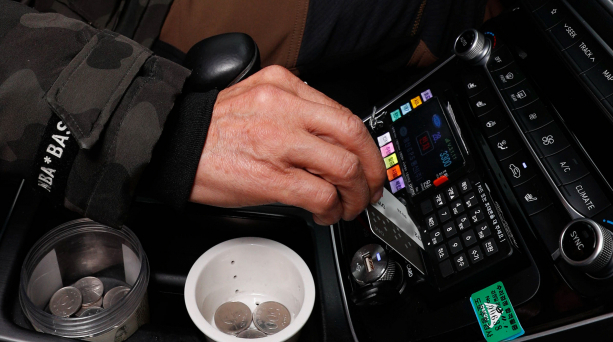
No, you do not need to tip taxi drivers in Korea.
When you take a taxi, just pay the fare shown on the meter or the amount shown in the app. If you use a card, the driver will process the exact amount. If you pay in cash, you can receive change.
Some tourists feel tempted to say “keep the change,” especially if the amount is small. In some cases, the driver may accept it. But it is not expected.
For normal taxi rides, tipping is unnecessary.
Instead, focus on these things:
Check that the meter is running.
Use a map app to confirm the route.
Pay by card if possible.
Take your belongings before leaving.
Say thank you when you get out.
That is enough.
6. Do You Tip Hotel Staff in Korea?
Usually, no.
You do not normally need to tip hotel front desk staff, housekeeping, bell staff, or luggage storage staff in Korea. This is especially true at normal hotels, guesthouses, business hotels, and budget accommodations.
At luxury hotels, staff may be more familiar with international tipping culture, but even there, tipping is not required in the same way it may be in some other countries.
If someone provides exceptional help, such as carrying many heavy bags, solving a serious problem, or helping with a complicated request, a small tip may be accepted. But it should be done carefully and respectfully.
For most tourists, the better choice is to say thank you, leave a good review, and treat staff politely.
7. Do You Tip Tour Guides in Korea?
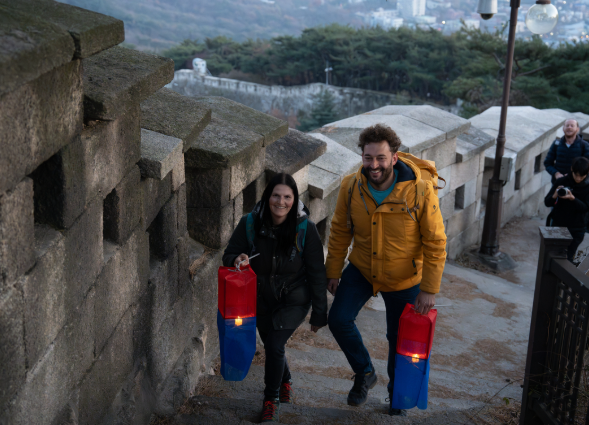
This is the main exception.
Tour guides are one of the few situations where tipping in Korea may feel more acceptable, especially if the guide works mostly with foreign tourists.
If you join a private tour, food tour, DMZ tour, city walking tour, or customized experience, the guide may understand tipping because many international travelers do it. Still, it is usually optional, not mandatory.
You can consider tipping a guide if:
The guide was very helpful.
The tour was private or highly personalized.
The guide helped with translation, photos, transport, or special requests.
The service felt much better than expected.
If you do tip, use Korean won, not foreign currency. Hand it politely at the end of the tour. Do not make a big scene.
If the guide refuses, accept the refusal politely.
8. Do You Tip for Hair Salons, Nail Shops, or Spas?
Usually, no.
Korean beauty services can be very high quality, but tipping is still not normally expected. This includes hair salons, nail shops, skin care clinics, massage shops, and spas.
You pay the listed price or the price explained before the service. That is usually enough.
However, there can be exceptions in places that mainly serve foreign customers. Some high-end or tourist-focused services may be more familiar with tips. Still, you should not assume tipping is required.
If you are extremely satisfied, you can leave a positive review, recommend the place, or return as a customer. In Korea, that is often more natural than handing extra cash.
9. What About Delivery Drivers?
You usually do not tip delivery drivers in Korea.
Korea has a very developed delivery culture, and tipping is not normally part of the process. The price you pay through the app usually includes the food price, delivery fee, and service-related charges.
If you are using a delivery app that has a tip feature, you can use it if you want. But in everyday Korean delivery culture, tipping is not expected.
For tourists, delivery apps can already be difficult because some require Korean phone numbers, Korean payment methods, or local app verification. So tipping is usually not the main issue.
The better thing to do is enter the correct address, answer calls or messages if needed, and pick up the food quickly if the driver arrives.
10. What If There Is a Tip Jar?
If there is a tip jar, tipping is optional.
You may see a tip jar in some cafes, bars, small international restaurants, foreigner-heavy areas, hostels, or tourist-focused shops. In that case, you can leave small change if you want.
But a tip jar does not mean you must tip.
Korea does not have the same strong tip-pressure culture as some other countries. If you do not leave money, it is usually fine.
If you want to tip through a jar, keep it small and casual. Do not overthink it.
11. How Much Should You Tip in Korea?
For most situations, the answer is zero.
That may sound strange, but it is the most practical answer for tourists. Korea is not a country where you need to calculate 10%, 15%, or 20% after every meal.
Here is a simple tipping guide.
| Situation | Suggested Tip |
|---|---|
| Normal restaurant | 0 won |
| Cafe | 0 won |
| Taxi | 0 won |
| Convenience store | 0 won |
| Normal hotel | 0 won |
| Hair salon | 0 won |
| Food delivery | 0 won |
| Private tour guide | Optional |
| Special hotel help | Optional |
| Foreigner-focused service | Optional |
If you decide to tip in an optional situation, use Korean won. A small, clean cash amount is better than coins or foreign currency.
But again, do not tip just because you feel guilty. In Korea, not tipping is normal.
12. The Biggest Mistake Tourists Make
The biggest mistake is applying your home country’s tipping rules directly to Korea.
If you are from a strong tipping culture, you may feel uncomfortable paying only the bill. But Korea works differently. Leaving without tipping does not usually mean you are cheap or rude.
Another mistake is forcing a tip after someone refuses it. If a staff member says no, do not insist. Smile, thank them, and move on.
The third mistake is leaving cash on the table without explanation. Staff may chase after you because they think you forgot your money.
The fourth mistake is assuming every foreigner-friendly business expects tips. Some places may accept them, but many still do not require them.
In Korea, the safest behavior is not “tip everywhere.” It is “pay correctly, act politely, and do not create confusion.”
13. Better Ways to Show Appreciation in Korea
If you want to show appreciation, there are better ways than tipping.
You can say thank you politely. You can leave a positive review. You can recommend the business to other travelers. You can return again. You can be patient when staff are busy. You can clean up your table if the place uses self-service.
These actions feel natural in Korea.
Useful phrases include:
“Thank you” — 감사합니다
“It was delicious” — 맛있었어요
“You were very kind” — 친절했어요
“Thank you for your help” — 도와주셔서 감사합니다
You do not need perfect Korean. Even a simple “thank you” with respectful behavior is enough.
14. Final Verdict: Should You Tip in Korea?
In most cases, no.
Tipping in Korea is not expected at restaurants, cafes, taxis, convenience stores, normal hotels, salons, spas, or delivery services. Paying the listed price is normal, and nobody will usually expect extra money from you.
However, tipping can be acceptable in a few special cases, especially with private tour guides, foreigner-focused services, or exceptional personal help.
The key is not to force it.
If the situation feels local and everyday, do not tip. If the situation feels tourist-focused and the person clearly provided special service, tipping may be okay. If someone refuses your tip, respect that immediately.
So, is tipping in Korea a polite gesture or an awkward mistake?
Most of the time, it is an unnecessary gesture that can become awkward.
When in doubt, skip the tip, say thank you, and enjoy your trip.