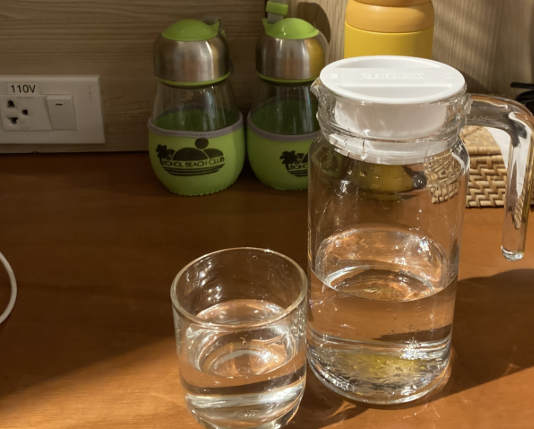
Tap water in Korea can confuse first-time tourists more than expected.
In many countries, drinking water straight from the tap is normal. In other places, tourists are warned not to do it. Korea sits in a strange middle ground. Officially, tap water in Korea is generally safe to drink, especially in major cities like Seoul. However, many Koreans still prefer bottled water, filtered water, or boiled water.
So what should tourists actually do?
Should you drink tap water from your hotel bathroom? Should you buy bottled water at convenience stores? Why do Korean restaurants usually serve free water, but many Korean homes still use water purifiers?
The answer is not as scary as some travelers think. But it is also not as simple as “just drink it anywhere.”
Here is the honest guide to tap water in Korea.
In Short
Tap water in Korea is generally safe to drink in major cities, especially in Seoul, where the city tests its tap water brand Arisu through strict water quality checks. However, many locals still avoid drinking straight from the tap because of taste, old building pipes, habit, and water purifier culture. For tourists, bottled water or filtered water is the easiest choice, but tap water is not something you need to fear.
1. Is Tap Water in Korea Safe to Drink?
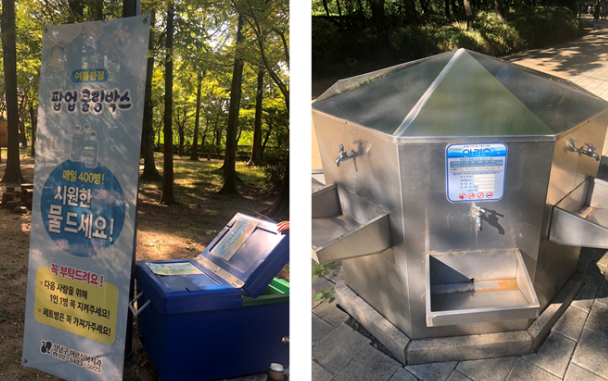
Yes, tap water in Korea is generally safe to drink, especially in major cities.
Seoul’s tap water is called Arisu. The Seoul Metropolitan Government says Arisu is managed through strict water quality testing. In 2025, Seoul expanded its water quality test items to 357 substances, including the legally required drinking water standards and additional substances that are not legally required. Seoul also says this is more than twice the number recommended by the World Health Organization.
That sounds reassuring, but tourists still need to understand one thing.
Water quality at the treatment plant and water quality from the faucet in an old building are not always the same experience. The water itself may meet safety standards, but the pipe condition in an old hotel, guesthouse, restaurant, or apartment can affect taste, smell, and trust.
So the realistic answer is this:
In modern buildings, major hotels, airports, public facilities, and newer apartments, tap water is generally safe. In older buildings, tourists may feel more comfortable drinking bottled or filtered water.
2. Why Don’t Many Koreans Drink Tap Water?
This is the part that confuses tourists.
If tap water in Korea is safe, why do so many Koreans avoid drinking it straight from the faucet?
The reason is not just science. It is also culture, habit, and trust.
Many Korean households use water purifiers. Some families boil water. Others buy large packs of bottled water. Even when the water is officially safe, people may still dislike the chlorine smell, worry about old pipes, or simply prefer the taste of filtered water.
In Korea, water purifiers are extremely common in homes, offices, schools, gyms, hospitals, and public buildings. So many Koreans grow up drinking water from a purifier instead of directly from the sink.
This does not mean the tap water is dangerous. It means local drinking habits are different from what some tourists expect.
3. What Is Arisu in Seoul?
Arisu is the official name of Seoul’s tap water.
If you are staying in Seoul, you may see the word Arisu in public buildings, subway stations, schools, or city information materials. It refers to Seoul’s treated tap water system.
Seoul has promoted Arisu as safe drinking water for years. The city has also published water quality information and expanded testing standards. In an earlier Arisu quality report, Seoul stated that Arisu had been judged suitable for drinking after tests for 350 criteria items, and real-time water quality information was available for hundreds of locations in Seoul.
For tourists, the important point is simple:
Seoul tap water is not something strange or unsafe by default. It is an official municipal water system with public quality management.
However, many visitors still choose bottled water because it feels easier and more familiar during a short trip.
Seoul Arisu water quality tests
4. Can You Drink Tap Water in Korean Hotels?
Usually, yes, but it depends on the hotel.
In modern hotels, tap water is generally safe. Many hotels also provide free bottled water in the room, which makes the decision easier. If bottled water is provided, most tourists simply drink that instead of using the bathroom sink.
In older guesthouses, small hostels, or very old buildings, you may feel less comfortable drinking directly from the tap. The issue is not necessarily the city water supply. The bigger concern is old internal pipes or storage tanks.
A practical rule is:
If you are staying in a clean, modern hotel, tap water is usually fine.
If you are staying in an older building and feel unsure, drink bottled water.
If the water smells strange, tastes odd, or looks cloudy, do not drink it.
You do not need to panic. Just use common sense.
5. Can You Brush Your Teeth With Tap Water in Korea?
Yes, brushing your teeth with tap water in Korea is normally fine.
Tourists do this every day in hotels, guesthouses, airports, and public bathrooms. You do not need bottled water just to brush your teeth in most places.
This is different from destinations where travelers are strongly warned not to use tap water at all. Korea is not usually in that category.
If your stomach is very sensitive or you are staying in an old rural building, you can use bottled water for peace of mind. But for most travelers in Seoul, Busan, Incheon, Daegu, Daejeon, Gwangju, and other major cities, brushing your teeth with tap water is not a problem.
6. What Do Koreans Actually Drink?
Most Koreans do not usually pour a glass of water straight from the kitchen sink.
Instead, they often drink:
| Water Type | Common in Korea? | Tourist Tip |
|---|---|---|
| Water purifier water | Very common | Most normal in homes and offices |
| Bottled water | Very common | Easiest for short-term tourists |
| Boiled water | Common | Often used at home |
| Restaurant water | Very common | Usually free |
| Direct tap water | Less common | Safe in many areas, but not popular |
This is why tourists may feel confused. Official information may say the water is safe, but local behavior may suggest hesitation.
The truth is that both can be true.
Tap water can be safe, while many locals still prefer filtered or bottled water.
7. Is Water Free in Korean Restaurants?
Yes, water is usually free in Korean restaurants.
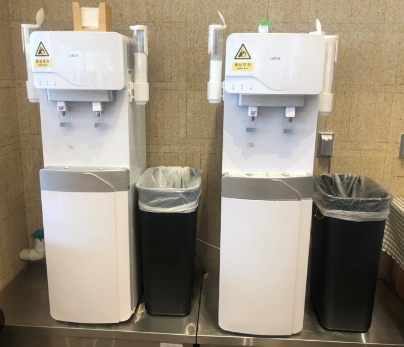
This is one of the best small conveniences in Korea. In many restaurants, water is either brought to your table or available from a self-service water purifier. Sometimes you will see metal cups, plastic cups, or a cold water bottle placed near the counter.
You do not need to pay extra for normal drinking water in most Korean restaurants.
However, do not expect bottled water for free everywhere. Most restaurants provide filtered or purified water, not sealed bottled water. If you want bottled water, you may need to buy it separately at a convenience store or ask whether the restaurant sells it.
In casual Korean restaurants, self-service water is very common. If you see a water purifier and cups near the wall, you can usually get water yourself.
Korean restaurant etiquette guide
8. Should Tourists Buy Bottled Water in Korea?
For short-term tourists, bottled water is the easiest choice.
It is cheap, easy to find, and available almost everywhere. You can buy bottled water at convenience stores, supermarkets, subway station shops, vending machines, and airport stores.
Convenience stores such as CU, GS25, 7-Eleven, and emart24 usually sell small bottles and large bottles. If you are staying for several days, buying a large bottle for your hotel room can be more convenient than buying small bottles every time.
Bottled water is not required because tap water is generally safe. But it is often the most comfortable option for tourists who do not want to think about building pipes, taste, or local habits.
In simple terms:
Tap water is usually safe.
Bottled water is usually easier.
Filtered water is what many locals prefer.
9. Is Tap Water Safe Outside Seoul?
In many major Korean cities, tap water is also managed under strict standards.
For example, Busan’s official water authority explains that its tap water is tested regularly and that a light scent of disinfection means the water has been properly purified and is safe for consumption.
Still, tourists should be more cautious when making broad claims about the entire country. Water systems can vary by region, building age, and local pipe conditions. A modern hotel in Busan is not the same as a very old countryside building.
If you are staying in a major city, tap water is generally not something to fear. If you are staying in a remote area, old accommodation, campsite, or rural guesthouse, bottled water may be the safer and simpler choice.
10. Why Does Korean Tap Water Sometimes Smell Like Chlorine?
Some tourists notice a light chlorine smell from tap water in Korea.
This does not automatically mean the water is bad. Chlorine is used for disinfection in many public water systems around the world. A light disinfection smell can mean the water has been treated.
However, taste matters. Even if the water is safe, you may not enjoy drinking it if it smells strongly of chlorine or tastes different from the water in your home country.
If the smell bothers you, you can:
Let the water sit for a while.
Boil it and cool it.
Use a water purifier.
Drink bottled water.
For a short Korea trip, buying bottled water is usually the easiest solution.
11. Can You Refill a Water Bottle in Korea?
Yes, but it depends on where you are.
Many public facilities in Korea have water purifiers or drinking fountains. You may find them in airports, museums, libraries, public offices, some subway stations, schools, parks, gyms, and tourist facilities.
However, Korea is not always as refill-station-focused as some countries. You may not find a public refill point every time you want one.
Restaurants usually provide water for customers, but that does not always mean you should walk in only to refill a bottle. Cafes may provide water for customers, but again, it depends on the place.
The easiest travel strategy is to carry one bottle and refill it when you naturally see a purifier. If not, buy a bottle from a convenience store.
12. Is Ice Safe in Korea?
In most normal cafes, restaurants, hotels, and franchise stores, ice is generally safe.
Korean cafes use a lot of iced drinks, especially iced Americano. Ice is a major part of Korean cafe culture. Large chains and well-managed restaurants usually use filtered water or commercial ice machines.
Still, use common sense. If a very old or poorly maintained place looks dirty, you may want to avoid ice there. But in most tourist areas, cafes, restaurants, convenience stores, and hotels, ice is not something tourists need to worry about.
This is another reason Korea is relatively easy for travelers. You do not usually need to avoid every iced drink.
13. What About Hot Water and Water Purifiers?
Water purifiers are everywhere in Korea.
In offices, hospitals, gyms, schools, and some restaurants, you may see a machine that provides cold water and hot water. These machines are often used for drinking water, instant coffee, tea, and cup noodles.
Tourists may see these machines in guesthouses, hotel lounges, shared kitchens, or public facilities.
If a water purifier is available, that is usually the most comfortable option. It matches what many Koreans actually drink, and it avoids the psychological concern of drinking directly from the faucet.
Just make sure you press the correct button. Some machines have very hot water, and it can burn your hand if you are careless.
14. Tourist Rule: What Should You Actually Drink?
Here is the most realistic rule for tourists:
Drink bottled water if you want the easiest option.
Drink filtered water if it is available.
Use tap water for brushing teeth and washing fruit.
Drink tap water in modern buildings if you feel comfortable.
Avoid drinking tap water if the building is old, the faucet looks dirty, or the water smells strange.
This rule is not about fear. It is about convenience.
Most tourists are in Korea for a short time. You do not need to prove anything by drinking tap water from every sink. At the same time, you do not need to panic if you accidentally swallow tap water while brushing your teeth.
Korea’s water situation is generally tourist-friendly. The main issue is personal comfort.
15. Final Verdict: Should You Drink Tap Water in Korea?
Tap water in Korea is generally safe, especially in major cities like Seoul.
Seoul’s Arisu is tested through strict water quality management, and other major cities also operate official water safety systems. However, many Koreans still prefer bottled water, boiled water, or water purifier water because of taste, habit, old pipe concerns, and cultural preference.
For tourists, the best answer is practical:
You can drink tap water in Korea, but bottled or filtered water is usually the easiest choice.
Use tap water without worry for brushing your teeth, washing your hands, and basic hotel use. Drink it if you are in a modern building and feel comfortable. But if you are staying in an old guesthouse or simply dislike the taste, buy bottled water from a convenience store.
So, is tap water in Korea safe to drink or a tourist mistake?
It is generally safe. The real tourist mistake is worrying too much about it.