Most tourists come to Seoul for food, shopping, cafés, palaces, skincare, K-pop, and night views.
That is understandable. Seoul is fun, fast, and easy to enjoy on the surface.
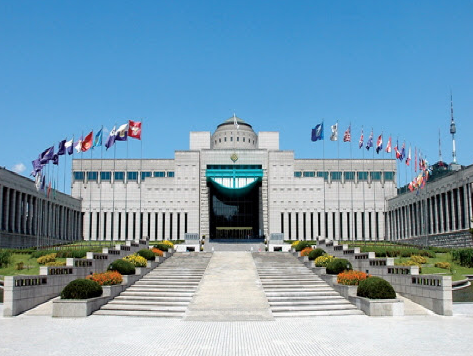
But if you want to understand modern Korea, you should visit at least one place that explains why the country feels the way it does today. One of the best places for that is the War Memorial of Korea in Yongsan, Seoul.
Many foreign visitors casually call it a Korean War museum, and that is not wrong. However, it is bigger than that. The museum covers Korea’s military history, the Korean War, national division, sacrifice, peace, and remembrance. VisitKorea says the War Memorial of Korea was established in 1994 and houses around 33,000 artifacts, with about 10,000 displayed across indoor and outdoor exhibitions.
This is not just a museum full of tanks.
It is one of the most serious, emotional, and useful places in Seoul for understanding what happened on June 25, 1950, why Korea is still divided, and why the word “peace” carries so much weight here.
War Memorial of Korea official website
1. In Short
The War Memorial of Korea is a free museum and memorial in Yongsan, Seoul. It is especially important for visitors who want to understand the Korean War, known in Korea as the 6·25 War because it began on June 25, 1950.
| Item | Details |
|---|---|
| Name | War Memorial of Korea |
| Korean name | 전쟁기념관 |
| Main theme | Korean military history, Korean War, remembrance, peace |
| Best for | History lovers, first-time visitors, rainy days, meaningful Seoul itinerary |
| Area | Yongsan, Seoul |
| Address | 29, Itaewon-ro, Yongsan-gu, Seoul |
| Admission | Free, except some special exhibitions |
| Hours | 09:30–18:00 |
| Closed | Mondays |
| Time needed | 2–3 hours recommended |
| Main highlight | 6·25 Korean War Room |
The museum has six major indoor exhibition halls, including the 6·25 Korean War Room, War History Room, Patriotic Memorial Room, Expeditionary Forces Room, Development Hall, and Large Machinery Room. The outdoor exhibition also displays large military equipment.
2. Why the War Memorial of Korea Matters
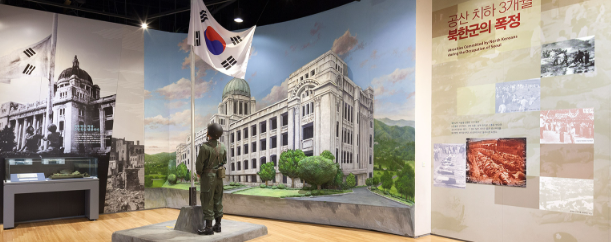
The Korean War is not just an old chapter in a history textbook.
It shaped modern South Korea. It divided families. It destroyed cities. It brought foreign soldiers to the peninsula. It created the armistice system that still defines inter-Korean relations today.
The Korean War began on June 25, 1950, when North Korean forces invaded South Korea, according to the Eisenhower Presidential Library. The fighting stopped with the Korean Armistice Agreement in 1953, but a peace treaty was never signed. The U.S. National Archives describes the armistice as signed on July 27, 1953, leaving North and South Korea separate.
That is why visiting this memorial feels different from visiting a normal tourist attraction.
You are not only looking at weapons. You are looking at the background of a country that rebuilt itself while still living beside an unfinished war.
3. Is This Only a Korean War Museum?
No.
The War Memorial of Korea is strongly connected to the Korean War, but it is not only about 1950–1953.
The museum also covers older conflicts, military development, overseas deployments, memorial spaces, and large military equipment. That said, for most foreign visitors, the 6·25 Korean War Room will probably be the most important part.
| Section | Why It Matters |
|---|---|
| 6·25 Korean War Room | Explains the Korean War and national division |
| War History Room | Gives wider Korean military history context |
| Patriotic Memorial Room | Focuses on remembrance and sacrifice |
| Expeditionary Forces Room | Covers overseas military participation |
| Development Hall | Shows development of Korean armed forces |
| Large Machinery Room | Displays military equipment indoors |
| Outdoor Exhibition | Tanks, aircraft, and large weapons |
If your goal is to understand Korean history beyond palaces and hanbok photos, this museum is one of the best places in Seoul.
4. What You Should See First
The museum can feel huge. Do not try to see everything with the same level of attention.
For most tourists, use this order:
| Priority | Section | Why |
|---|---|---|
| 1 | Memorial Hall | Sets the mood of remembrance |
| 2 | 6·25 Korean War Room | Main reason to visit |
| 3 | Outdoor Exhibition | Easy to understand visually |
| 4 | War History Room | Good background context |
| 5 | Statue of Brothers | Symbolic and emotional |
| 6 | Special exhibitions | Check if available |
The 6·25 Korean War Room should be your core stop. It helps explain the outbreak of war, the progress of the conflict, the role of UN forces, the armistice, and the human cost of war.
Google Arts & Culture’s Korean War feature, made in collaboration with Korean institutions, describes June 25, 1950 as the day North Korean forces crossed the 38th parallel and invaded South Korea. It also explains how the conflict led toward the armistice and the DMZ.
So if you are confused about why the DMZ exists, this museum gives you the foundation before you visit the border area.
5. The Outdoor Exhibition Is Not Just for Photos
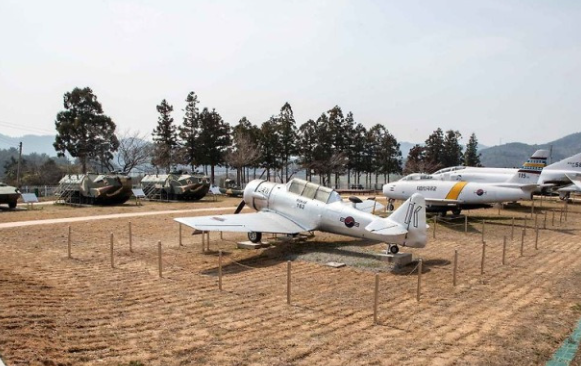
The outdoor area is one of the easiest parts for casual visitors to understand.
You can see large military equipment such as tanks, aircraft, artillery, and other vehicles. Even if you do not know military history, the scale of the objects makes the war feel less abstract.
However, do not treat the outdoor exhibition like a theme park.
The equipment is visually impressive, but the point is not “cool weapons.” The real point is to understand how large, destructive, and modern the Korean War became.
This is why the museum works well for visitors who do not usually enjoy history museums. The indoor exhibits explain the story, while the outdoor displays give physical scale.
6. The Statue of Brothers: The Symbol You Should Not Miss
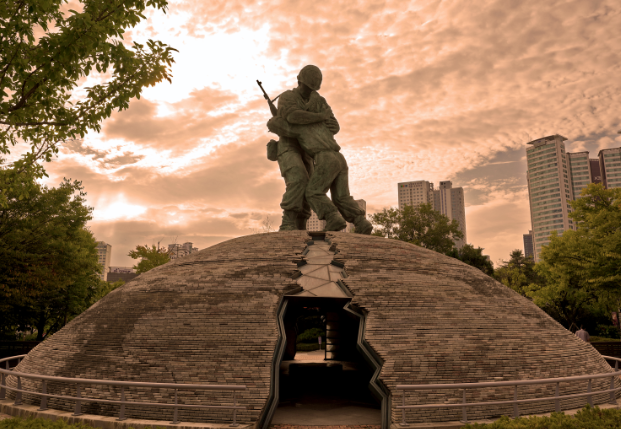
One of the most meaningful sights at the War Memorial of Korea is the Statue of Brothers.
The statue shows two brothers meeting on the battlefield, one from the South and one from the North. It represents national division, family separation, reconciliation, and the hope for peace.
This is the kind of symbol that foreign tourists may miss if they only look for tanks and planes.
The Korean War was not just a conflict between governments. It was also a civil war that split families, hometowns, and personal lives. The Statue of Brothers helps visitors understand that emotional side without needing a long explanation.
If you only take one quiet moment at the memorial, take it here.
7. How Long Should You Spend There?
Do not rush this museum.
| Visit Style | Time Needed |
|---|---|
| Quick photo stop | 45–60 minutes |
| Main Korean War exhibits only | 1.5–2 hours |
| Proper visit | 2–3 hours |
| Deep history visit | 3+ hours |
| With children | 1.5–2.5 hours |
VisitSeoul says it takes about three hours to complete a tour of the War Memorial of Korea.
For most first-time tourists, 2 to 3 hours is the sweet spot. That gives you enough time for the Memorial Hall, 6·25 Korean War Room, outdoor exhibition, and a few extra sections without getting overwhelmed.
If you only have one hour, focus on the 6·25 Korean War Room and one outdoor walk.
8. Is It Good for First-Time Visitors to Seoul?
Yes, but it depends on your travel style.
The War Memorial of Korea is best for:
| Visitor Type | Should You Go? |
|---|---|
| History lovers | Yes |
| First-time Seoul visitors | Yes, if you have 3+ days |
| DMZ tour visitors | Strongly yes |
| Rainy day travelers | Yes |
| Families with older children | Yes |
| People who only want shopping | Maybe not |
| Very short layover visitors | Probably skip |
| Travelers sensitive to war topics | Visit carefully |
This is not a light, cheerful stop. It can feel heavy.
But that is also why it matters.
If your Korea trip includes only shopping streets, cafés, and photo spots, you may leave with a fun but shallow image of the country. This museum adds historical depth.
9. Best Way to Add It to Your Seoul Itinerary
The museum is in Yongsan, which makes it easy to combine with other central Seoul stops.
Good itinerary combinations:
| Plan | Route |
|---|---|
| History day | National Museum of Korea + War Memorial of Korea |
| Serious Korea day | War Memorial of Korea + DMZ tour on another day |
| Rainy day | War Memorial of Korea + mall or café nearby |
| Central Seoul day | War Memorial of Korea + Itaewon + Namsan |
| Slow culture day | War Memorial of Korea + National Museum of Korea + dinner |
The best pairing is the National Museum of Korea.
The National Museum helps you understand Korea’s long cultural history. The War Memorial helps you understand modern conflict and division. Together, they make Seoul feel much deeper than a simple shopping destination.
10. What Makes This Museum Different From Other Seoul Attractions?
Many Seoul attractions are beautiful. Palaces are beautiful. Hanok villages are beautiful. N Seoul Tower is beautiful. Cafés are beautiful.
The War Memorial of Korea is different.
It is not mainly beautiful. It is meaningful.
| Other Seoul Stops | War Memorial of Korea |
|---|---|
| Good for photos | Good for understanding |
| Fun and light | Heavy but valuable |
| Easy to consume quickly | Better with time |
| Focused on atmosphere | Focused on memory |
| Good for social media | Good for context |
This does not mean every tourist must visit. But if you want to understand why modern Korea values security, national service, remembrance, and peace, this place helps.
11. Common Tourist Mistakes
Avoid these mistakes when visiting the War Memorial of Korea.
| Mistake | Why It Hurts |
|---|---|
| Thinking it is only a weapons museum | You miss the historical meaning |
| Visiting too late in the day | The museum is large |
| Skipping the indoor exhibits | The story is inside |
| Only taking photos outside | You miss the 6·25 context |
| Not checking closing day | It is closed on Mondays |
| Bringing no emotional patience | The subject is heavy |
| Planning only 30 minutes | Too rushed |
| Visiting after a tiring shopping day | You may not absorb the content |
The biggest mistake is treating it like a quick checklist attraction.
This is not a “walk in, take one picture, leave” place. Give it time.
12. Useful Korean Words to Know
These Korean words can help when searching or reading signs.
| Korean | Meaning |
|---|---|
| 전쟁기념관 | War Memorial of Korea |
| 6·25전쟁 | Korean War |
| 한국전쟁 | Korean War |
| 기념관 | Memorial hall |
| 전시실 | Exhibition room |
| 유물 | Artifact |
| 참전 | Participation in war |
| 정전협정 | Armistice Agreement |
| 평화 | Peace |
| 희생 | Sacrifice |
| 분단 | Division |
| 통일 | Reunification |
The two most useful search terms are:
전쟁기념관
6·25전쟁
If you search in Korean on Naver Map, use 전쟁기념관.
13. My Honest Verdict: Is the War Memorial of Korea Worth Visiting?
Yes, the War Memorial of Korea is worth visiting.
It is one of the best free museums in Seoul for anyone who wants to understand Korea beyond food, shopping, and entertainment. It explains why the Korean War still matters, why the peninsula remains divided, and why peace is not just a slogan here.
However, it is not for every mood.
Do not go there expecting a fun attraction. Go there expecting a serious place. Some sections are emotional. Some are information-heavy. Some may feel overwhelming if you try to absorb everything at once.
But if you give it enough time, the War Memorial of Korea can become one of the most memorable stops in Seoul.
It reminds you that modern Korea did not simply appear.
It survived, rebuilt, and remembered.
FAQ
Is the War Memorial of Korea free?
Yes. General admission is free, although special exhibitions may have separate fees. VisitKorea lists the War Memorial of Korea admission as free, with separate fees for special exhibitions.
What are the opening hours?
The War Memorial of Korea is generally open from 09:30 to 18:00, with last admission one hour before closing. It is closed on Mondays. Always check the official website before visiting because hours can change.
Is the War Memorial of Korea about the Korean War?
Yes, but not only the Korean War. It has a major 6·25 Korean War Room, but it also covers broader Korean military history and remembrance.
How long should I spend there?
Plan around 2 to 3 hours for a proper visit. If you are short on time, focus on the 6·25 Korean War Room and the outdoor exhibition.
Is it good for children?
It can be educational for children, especially older children, but some war-related content may feel heavy. Parents should judge based on the child’s age and sensitivity.
Should I visit before or after a DMZ tour?
Before is better if possible. The War Memorial of Korea gives historical background that can make a DMZ tour easier to understand.