If you visit South Korea, you’ll quickly notice one thing:
There are cafés everywhere.
In fact, South Korea has one of the highest café densities in the world. But Korean café culture is not just about drinking coffee — it’s about lifestyle, design, and social experience.
Here are 7 reasons why Korean café culture stands out globally.
1. Extremely High Café Density
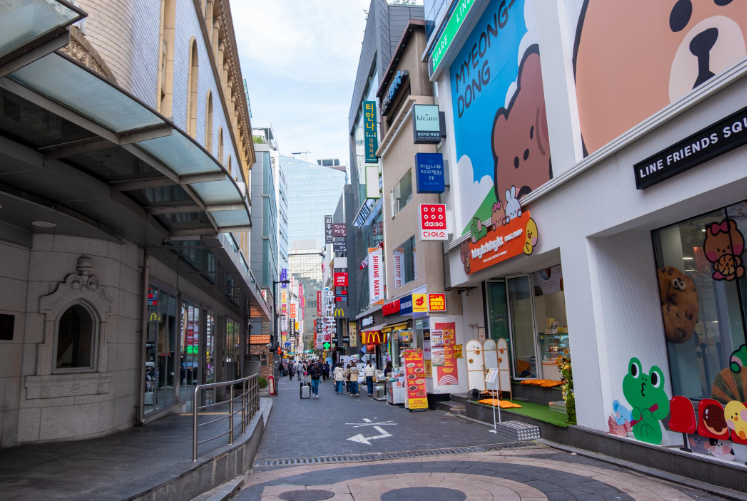
In popular districts like Hongdae or Gangnam, you can often find multiple cafés inside a single building.
It’s not unusual to see three or four cafés stacked on different floors, each with a different theme and concept.
Major coffee chains include:
- Starbucks Korea
- Ediya Coffee
- A Twosome Place
However, independent cafés are just as popular — and often more creative — than big brands.
2. People Stay for Hours
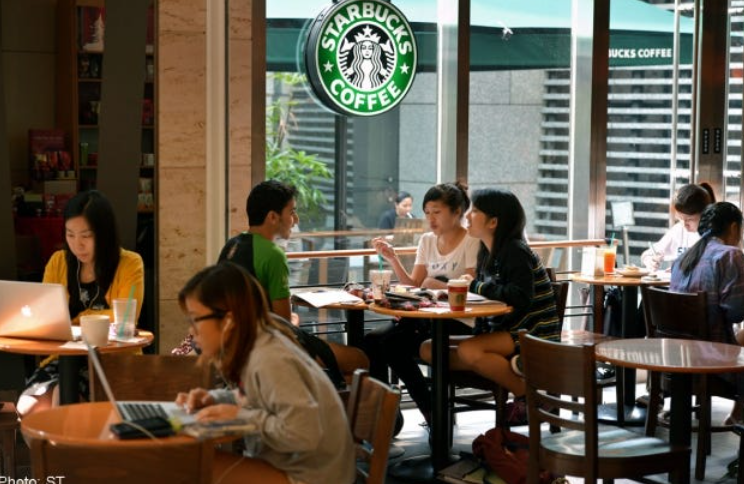
In many countries, cafés are quick stop-and-go places.
In Korea, it’s completely normal to stay for several hours with just one drink.
People use cafés for:
- Studying
- Remote work
- Business meetings
- Dates
- Social gatherings
Cafés function almost like shared living rooms in urban areas.
3. High-Quality Desserts
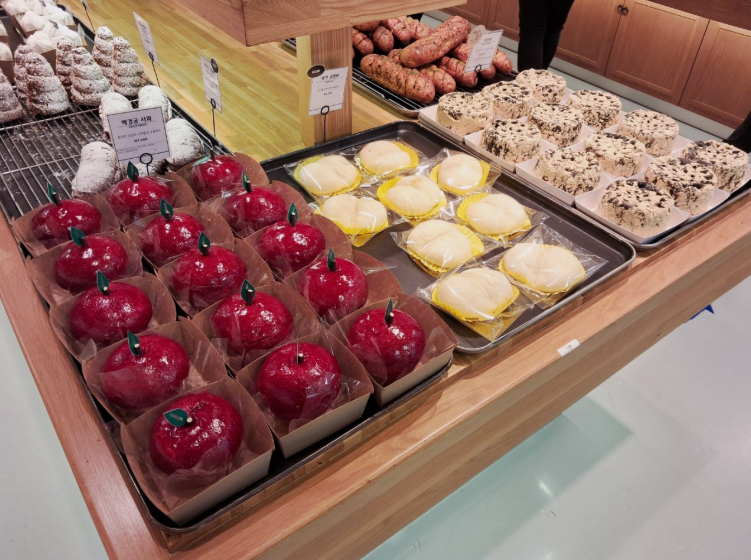
Korean cafés are famous for visually stunning and high-quality desserts.
You’ll often find:
- Fresh cream cakes
- Macarons
- Croffles (croissant + waffle)
- Tiramisu
- Seasonal fruit desserts
Presentation matters greatly, and many desserts are designed to be social-media friendly.
4. Interior Design Is a Major Focus
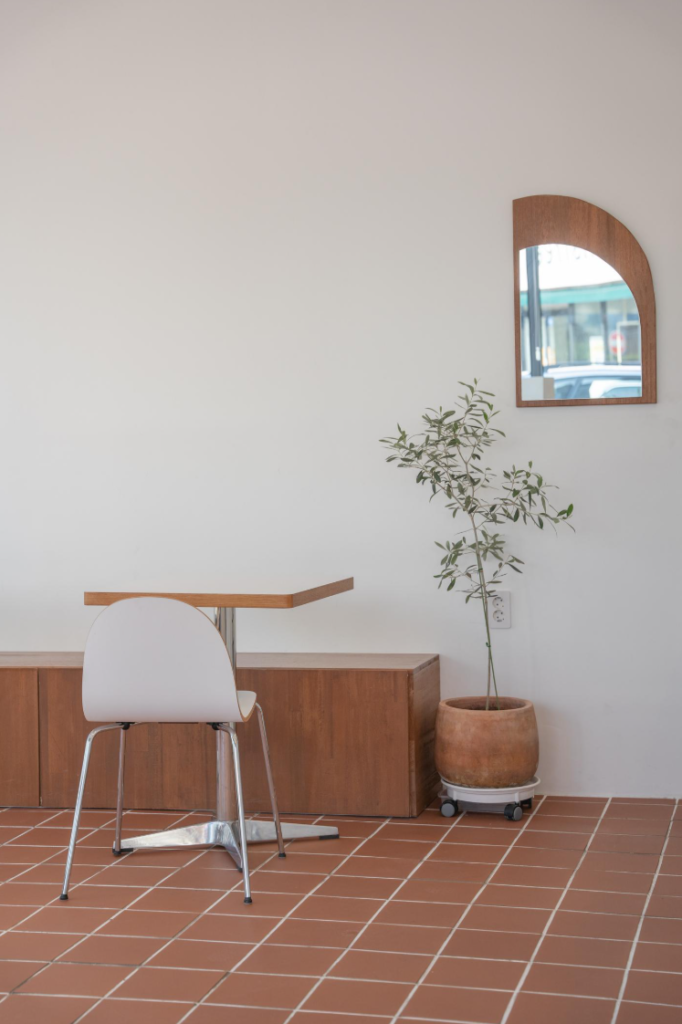
Competition in the café industry is intense, so interior design plays a crucial role.
Popular design styles include:
- Minimalist white interiors
- Industrial loft concepts
- Traditional Korean hanok-style cafés
- Large bakery-style spaces
Some cafés are so aesthetically impressive that they become tourist destinations.
5. The Rise of Mega Cafés
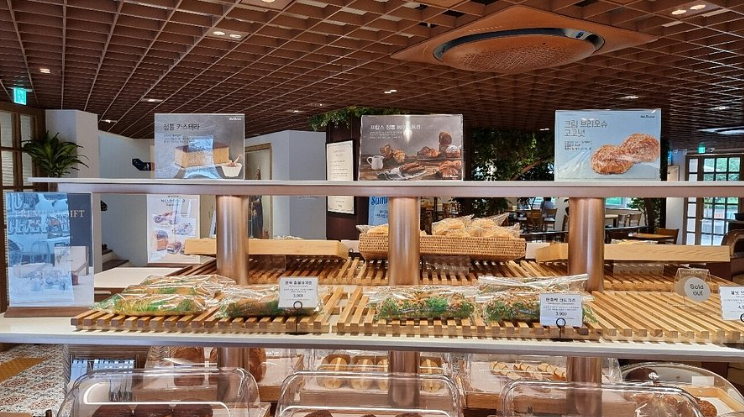
Recently, large multi-floor cafés have become increasingly popular across Korea.
These mega cafés often feature:
- In-house bakeries
- Full brunch menus
- Rooftop seating
- Dedicated photo zones
They combine dining, relaxation, and social media culture into one experience.
6. Constant Seasonal Menu Innovation
Seasonal drinks are a major part of Korean café culture.
For example, Starbucks Korea frequently launches limited-edition beverages during:
- Cherry blossom season
- Summer fruit season
- Halloween
- Christmas
New drinks often trend on social media within days of release.
7. Cafés as Lifestyle Spaces
In Korea, cafés are more than places to drink coffee.
They serve as:
- Study environments
- Dating spots
- Meeting points
- Content creation spaces
- Relaxation zones
Café culture reflects modern Korean urban life and the importance of shared social spaces.
Final Thoughts
Korean café culture is not just about caffeine —
it’s about space, aesthetics, and connection.
If you visit Korea, don’t just grab coffee to go.
Take your time, sit down, and experience how locals integrate cafés into their daily lives.