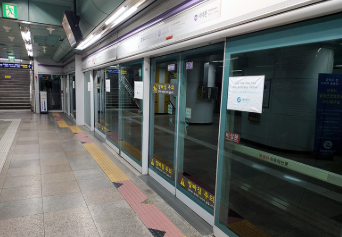
In Short
Korean subways have platform screen doors mainly for passenger safety, air quality control, and energy efficiency.
In the early 2000s, several subway accidents and track-fall incidents raised public concern in South Korea. In response, subway operators and the government began installing platform screen doors across the network.
Today, most subway stations in Korea — especially in Seoul — have them. South Korea now has one of the highest rates of platform screen door installation in the world.
1. What Are Platform Screen Doors?
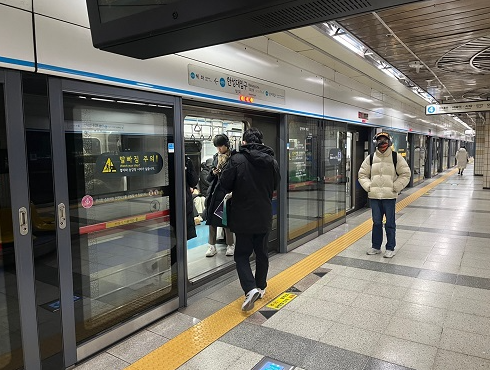
Platform Screen Doors (PSD) are automatic barriers installed between the subway platform and the train tracks.
They only open when a train arrives and aligns with the doors. When the train leaves, both the train doors and the platform doors close at the same time.
These doors serve several important purposes:
- Prevent passengers from falling onto the tracks.
- Reduce suicide incidents
- Improve overall platform safety.
- Block polluted tunnel air from reaching passengers.
In South Korea, seeing these doors at subway stations is completely normal.
2. The Main Reason: Passenger Safety
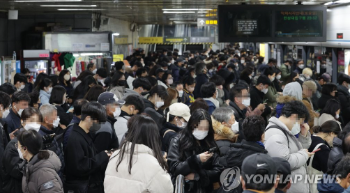
The biggest reason for installing platform screen doors is safety.
Subway platforms can become extremely crowded, especially during rush hour.
Without a protective barrier, several types of accidents can occur:
- People accidentally falling onto the tracks.
- Passengers are being pushed during crowded moments.
- Drunk passengers are losing their balance.
- Intentional track intrusions
By installing screen doors, the number of these incidents has significantly decreased in Korean subway systems.
As a result, the system is considered one of the safest subway environments in the world.
3. Better Air Quality
Subway tunnels contain fine dust and metal particles created by train friction.
When trains move through tunnels, these particles can travel onto the platform.
Without barriers, passengers breathe this polluted air directly.
Platform screen doors help by:
- Blocking tunnel air
- Reducing fine dust exposure
- Improving platform air quality
Because of this, screen doors are also considered an environmental improvement measure in Korean subway stations.
4. Energy Efficiency
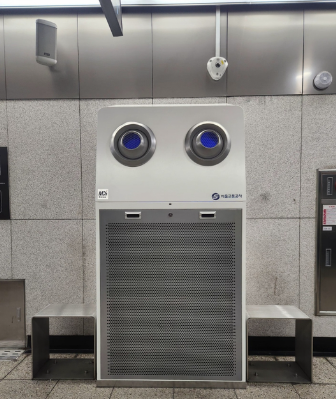
Platform screen doors also improve heating and cooling efficiency.
Subway stations use large amounts of electricity for climate control.
If the platform is open to the tunnel, cold air in summer and warm air in winter can escape easily.
Screen doors help reduce this airflow.
This leads to:
- Lower electricity consumption
- Reduced operating costs
- More stable station temperatures
For large subway systems, these energy savings can be significant.
5. Why Korea Installed Them So Widely
South Korea has installed platform screen doors at an unusually high rate compared to many other countries.
Several factors explain this:
- High urban population density
- Extremely heavy rush-hour traffic
- Strong public demand for safety improvements
- Government-supported transportation policies
In Seoul alone, millions of passengers use the subway system every day. Because of this heavy usage, safety infrastructure is a top priority.
6. How Much Do Platform Screen Doors Cost?
Installing platform screen doors is expensive.
The average installation cost per station is typically:
- $700,000 to $1,000,000
Large transfer stations can cost even more.
However, many cities believe the investment is worthwhile because it reduces accidents and improves passenger safety.
Korea vs United States Comparison
| Platform Screen Doors Usage | Very common | Rare |
| Subway Safety Infrastructure | Highly developed | Limited in many cities |
| Installation Cost per Station | $700,000 – $1,000,000 | Similar cost |
| Adoption Level | Installed in most stations | Only a few modern stations |
| Major Cities Using Them | Seoul, Busan | Some stations in NYC or new systems |
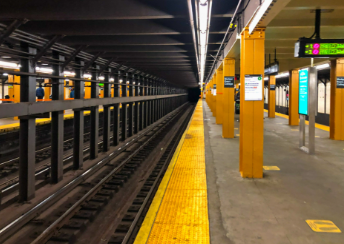
Many subway systems in the United States were built decades ago, which makes installing platform screen doors technically difficult.
Because of this, they are still uncommon in most American subway networks.
7. Are Other Countries Installing Them?
In recent years, more cities around the world have started installing platform screen doors.
Examples include:
- Japan
- China
- Singapore
- Some lines in France
However, very few countries have installed them as widely as South Korea.
FAQ
Why don’t all countries install platform screen doors?
The main reasons are high cost and technical limitations. Older subway systems were not originally designed for these doors, which makes installation complicated.
Are platform screen doors required by law in Korea?
They are not strictly required everywhere, but most subway operators install them to improve passenger safety.
Do platform screen doors slow down trains?
No. The doors are synchronized with train doors, so they do not significantly affect train schedules.
Are platform screen doors common outside Asia?
They are more common in Asian subway systems but still relatively rare in many Western countries.