Seoul Climate Card is worth considering if you plan to visit Seoul in 2026. It can make city travel easier, and it can also help you control your budget. However, it is not the best option for every traveler. In some cases, a regular T-money card may be more practical.
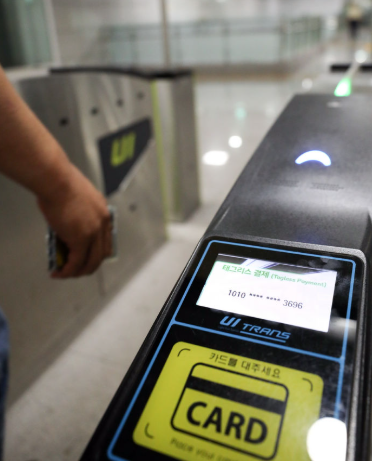
In Short
For many tourists, the Seoul Climate Card is a smart choice. It works best for people who stay mostly in Seoul and use public transportation often. However, it may not be ideal for travelers who prefer taxis or plan long trips outside the city. Therefore, the card is most useful for a Seoul-focused itinerary.
1. What Is the Seoul Climate Card?
The Climate Card is a public transportation pass for Seoul. Instead of paying for each ride one by one, you pay once for a fixed period. As a result, it can feel much simpler than using a regular stored-value card.
For first-time visitors, this is a big advantage. You do not need to worry about every single fare. In addition, you can move around the city more freely. For example, you can visit several neighborhoods in one day without thinking too much about repeated transport costs.
2. Why Do Tourists Like It?
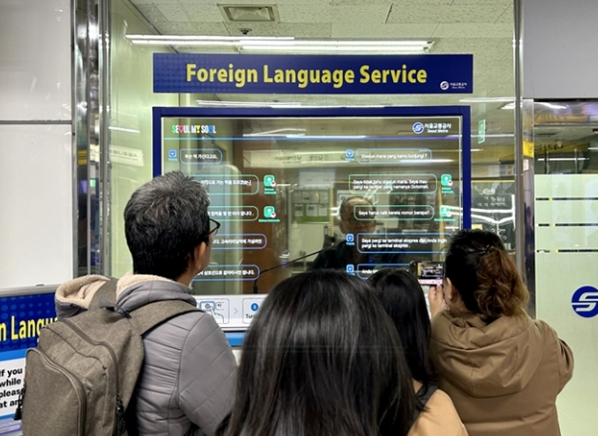
Many tourists want two things from a transport card: simplicity and predictable spending. The Climate Card can offer both. Because of this, it is especially attractive for short city trips.
A tourist might start the morning in Hongdae, head to Gyeongbokgung in the afternoon, and then go to Myeongdong at night. In that kind of schedule, public transportation is used many times. Therefore, an unlimited pass can feel convenient and efficient.
At the same time, not every visitor travels like that. Some people stay near one area and mostly walk. Others prefer taxis for comfort. In those cases, the Climate Card may not be the best value.
3. What Does the Card Cover?
In general, the Climate Card is designed for subway and bus travel within Seoul. That is the main point to remember. However, travelers should not assume that every route is included.
Some transport options may fall outside the normal service range. For example, certain airport-related services or non-Seoul routes may not be covered. Because of that, it is always smart to check your route before relying on the card for the entire trip.
Still, for everyday travel inside Seoul, the card can be very useful. Most tourists use it mainly for city buses and subway rides. In practice, that is where it tends to provide the most value.
You can check the official Seoul Climate Card page for the latest coverage details.
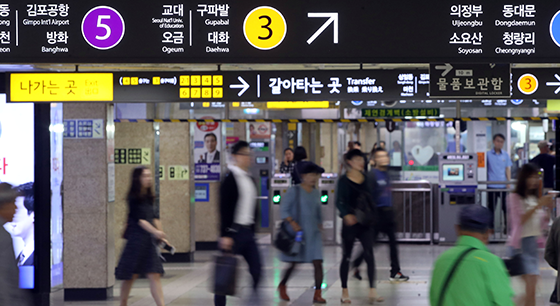
4. Is It Good for Airport Travel?
This is where many visitors get confused. The Climate Card is mainly helpful for travel inside Seoul. However, airport transportation does not always work the same way.
If your main concern is getting around the city after arrival, the card can be a good tool. On the other hand, if your priority is a simple airport-to-hotel solution, you should check the latest route details first. Otherwise, you may assume something is covered when it is not.
So, think of the Climate Card as a city travel pass first. Then use other options, if needed, for airport-related transport.
5. How to Buy and Use It
Buying the card is usually straightforward. First, you get the physical card. After that, you load the pass period you want. Then you tap in and out as you travel.
For tourists, the easiest approach is to buy it near a subway station and start using it on a heavy sightseeing day. This way, you can make the most of the unlimited rides. In addition, you can avoid wasting the active period on a light travel day.
Payment methods may vary by location. Therefore, it is wise to keep a simple backup plan, such as cash or another card. Meanwhile, checking instructions at the station can save time and reduce confusion.
For a tourist-friendly overview, see the VISITKOREA guide.
6. Climate Card vs. T-money

| Feature | Seoul Climate Card | T-money |
|---|---|---|
| Best for | Tourists staying mostly in Seoul | Travelers moving around Seoul and other parts of Korea |
| Main benefit | Unlimited rides for a fixed period | Flexible pay-as-you-go use |
| Coverage | Seoul-based subway lines, Gimpo Gold Line, and Seoul-operated buses | Public transportation nationwide |
| Airport bus use | Not included | Available |
| Convenience store payments | Not the main purpose | Available at many affiliated stores |
| Travel style | Best for heavy daily transit use in Seoul | Best for flexible travel and mixed spending |
The Climate Card and T-money serve different purposes. The Climate Card focuses on unlimited rides for a fixed time. T-money, by contrast, is a stored-value card that deducts money per trip.
If you want a more flexible option, read my Korea T-money Card Guide.
Because of that difference, each card fits a different travel style. The Climate Card is better for frequent transport use inside Seoul. T-money, however, is often better for flexibility. For example, it can make more sense for lighter travel days or trips that go beyond your main city schedule.
Another important point is convenience. Some travelers prefer paying once and forgetting about it. Others want a card they can use in more situations. Therefore, the better option depends on how you plan to move around.
7. When Is the Climate Card Worth It?
The card is usually worth it when you ride public transportation several times a day. In that case, the savings and convenience can add up quickly. As a result, busy travelers often like it more than casual visitors do.
Imagine a day with a subway ride in the morning, a bus in the afternoon, and another subway ride at night. Then add a few more short trips between attractions. In that situation, an unlimited pass starts to make a lot of sense.
By comparison, a slow travel day may tell a different story. If you stay in one neighborhood, walk most of the time, and only take one or two rides, the value becomes weaker. Therefore, the card is best for active sightseeing days rather than relaxed local days.
8. Who Should Buy It?
The Climate Card is a strong option for tourists who stay in Seoul for several days and use buses or subways often. It is also good for travelers who want a simple budget and less mental effort during the trip.
However, some people should think twice. If you mostly use taxis, the card may not help much. Likewise, if your itinerary includes many trips outside Seoul, a different option may be better. In addition, travelers who want maximum flexibility may still prefer T-money.
Overall, the best buyer is someone with a Seoul-heavy plan, a packed sightseeing schedule, and a preference for easy transport budgeting.

Final Verdict
The Seoul Climate Card can be a very good choice for tourists in 2026. It is simple, practical, and often cost-effective for people who move around Seoul a lot. However, it is not automatically the best card for everyone.
If your trip focuses on major Seoul neighborhoods and frequent public transport use, the card is easy to recommend. On the other hand, if your schedule is lighter or more flexible, T-money may suit you better. Therefore, the right choice depends less on the card itself and more on your travel style.
FAQ
Can foreigners use the Climate Card?
Yes, tourists can use it. However, it is still important to check where and how to buy it before your trip.
Is it better than T-money?
It depends on your travel pattern. If you use transport often in Seoul, it can be better. However, T-money may be more flexible in other situations.
Is it good for short trips?
Yes, it can be. For example, it works well for travelers who plan multiple rides each day during a short Seoul stay.
Should I use it for everything?
Not necessarily. It is best to treat it as a Seoul city transport tool first. Then, if needed, use other options for routes outside its main coverage.