In Short
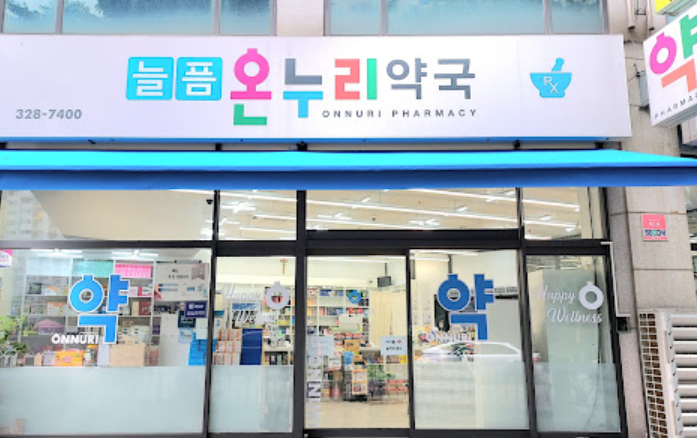
Travelers can buy many common medicines in Korea without too much trouble. For mild symptoms, a pharmacy is often the easiest place to start. However, stronger symptoms or prescription needs may require a clinic visit. Because of that, it helps to understand the basic system before your trip begins.
Getting sick during travel is frustrating. A simple headache can ruin a full day of sightseeing. Stomach trouble can also make the trip much harder than expected. Still, Korea is usually easier to navigate than first-time visitors think.
1. Start at a pharmacy for minor symptoms
For small problems, a pharmacy is usually the best first stop. Headaches, mild colds, motion sickness, allergies, diarrhea, and small skin issues are common examples. In those cases, you may be able to solve the problem quickly.
The process is usually simple. You explain the symptom, and then the pharmacist recommends a product. In other words, you do not need to know the exact Korean brand before you walk in. That is why pharmacies are useful for travelers who need quick help.
A pharmacy also saves time. Clinics can take longer, especially when the problem is not serious. For that reason, many visitors begin there and only move on if the issue gets worse.
2. Know when a clinic is the better option
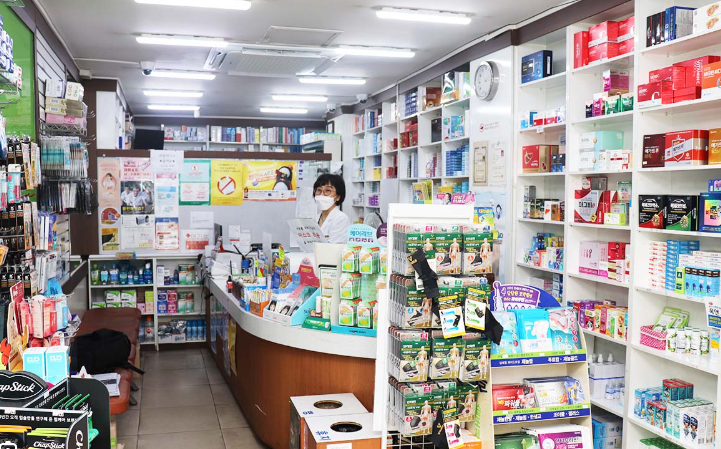
A pharmacy cannot handle every situation. Severe pain, breathing trouble, chest pain, heavy bleeding, or serious dehydration all require proper medical care. Likewise, a high fever that keeps rising should not be treated as a small problem.
Prescription drugs are another reason to visit a clinic. Some travelers expect the pharmacist to solve everything. In reality, that is not always possible. A doctor may need to examine you first and write a prescription.
Think of it this way. Minor issue, try a pharmacy. Strong or ongoing issue, go to a clinic. Emergency, get urgent help right away.
You can also check the official Korea pharmacy guide for more details.
3. Prepare before you leave home
Good preparation makes everything easier. Keep your regular medicine in the original packaging if possible. A copy of your prescription is helpful as well. In addition, save clear photos of the box, label, and dosage on your phone.
Those details matter when you are tired or sick. A photo can help explain what you usually take. The label may also show the ingredient, which is often more useful than the brand name. As a result, the pharmacist has a much better chance of finding a similar product.
Your allergy information is important too. Write down any ingredients you should avoid. It is also smart to note how often you take your usual medicine and why you use it.
4. Do not depend only on brand names
Brand names can create confusion. The same kind of medicine may exist in Korea under a different name. Because of that, asking only for your home-country brand may not work.
Instead, explain the symptom first. A medicine photo helps a lot. The ingredient name is even better if you know it. Then the pharmacist can look for a local alternative that does the same job.
Many travelers make the same mistake here. They assume the medicine does not exist if the familiar box is missing. Often, though, the real issue is just different packaging. Therefore, clear information is more useful than a familiar logo.
5. Keep your explanation short
Language worries are normal. Even so, you do not need perfect Korean to get basic help. Short and clear information usually works best at the counter.
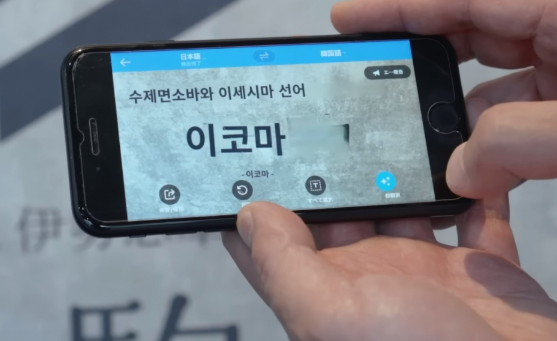
For example, say where it hurts and how long it has lasted. Mention whether you have a fever. Add any allergies and any medicine you already took that day. If needed, use a translation app to show short sentences.
A simple structure helps a lot:
- where it hurts
- how long it has lasted
- how strong it feels
- whether you have a fever
- whether you have allergies
- what medicine you already took
- whether you take regular prescription drugs
That format is easier for everyone. It reduces confusion and saves time. Most importantly, it helps the pharmacist guide you faster.
6. Check hours before you actually need help
Many people search for a pharmacy only after they feel sick. Unfortunately, that often happens late at night or on a holiday. By then, the nearest pharmacy may already be closed.
A better plan is to check nearby options early in your trip. Look up one or two pharmacies near your hotel while everything is still fine. That step feels small, but it can save a lot of stress later.
Tourist areas may have more choices. Smaller neighborhoods may have fewer late-night options. For that reason, early planning is worth it.
7. Be extra careful with controlled drugs
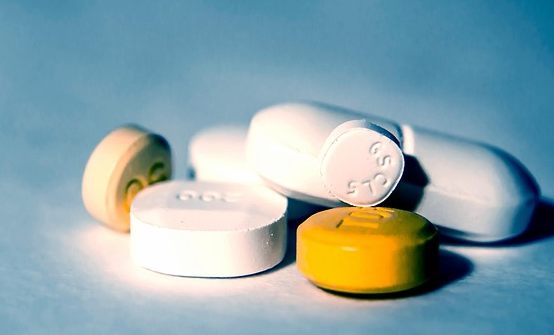
Some medicines need more attention before travel. Strong painkillers, stimulants, narcotics, or other controlled drugs can fall into this category. In those cases, you should never assume the same rules apply in every country.
Check the rules before your flight, not at the airport. That point matters because a medicine that is legal at home may still be restricted in Korea. As a result, last-minute surprises can become serious problems.
This step is easy to ignore when you pack in a hurry. Still, it is one of the most important parts of travel preparation. A quick check in advance can prevent a major headache later.
8. What to do if you lose your medicine
Losing medicine during a trip feels scary. The first step is to stay calm. Next, figure out whether the missing item is an everyday over-the-counter product or a prescription drug.
A pharmacy may be enough for a common item. On the other hand, a prescription medicine may require a clinic visit first. That depends on the type of drug and the local rules.
Bring as much information as you can. Show the medicine photo, explain the dose, and mention how often you take it. With that information, the pharmacist or doctor can decide the next step more quickly.
9. Korea may feel different from home
Many travelers notice one big difference in Korea. The pharmacy often feels like a practical first checkpoint rather than just a place to buy random products. Because of that, visitors can solve many smaller health problems without going straight to a clinic.
For some travelers, especially those used to large self-service drugstores, that can feel a little different. In Korea, the pharmacist often plays a more direct role in guiding the choice. Meanwhile, the clinic becomes the next step when the problem is more serious.
That difference is useful to understand. Once you know where each part fits, the system feels much less confusing. As a result, you can react faster if something goes wrong.
10. Final thoughts
Buying medicine in Korea is usually manageable. For mild symptoms, start with a pharmacy. For stronger symptoms, move to a clinic. If the drug is controlled or restricted, check the rule before you fly.
Preparation matters just as much as treatment. Save medicine photos on your phone. Bring prescription copies if you use them. Also, keep a note of your allergies and daily dosage.
Most of all, do not panic. A small health issue does not have to destroy your trip. When you follow the basic steps, the problem is often easier to solve than expected.
FAQ
Can tourists buy medicine at Korean pharmacies?
Yes, tourists can usually buy many common medicines at Korean pharmacies. For mild symptoms, that is often the easiest first step.
Do I need a prescription in Korea?
Sometimes you do. Minor problems may be handled at a pharmacy, but prescription drugs and more serious symptoms may require a clinic visit.
What should I bring from home?
Bring your medicine in the original package if possible. A prescription copy and photos of the label and dosage are helpful too.
What if I cannot explain my symptoms in Korean?
Use a translation app and keep your message short. Clear facts work better than long explanations.
What should I do if I lose my medicine?
Start by gathering your medicine photos or prescription copy. Then visit a pharmacy or clinic depending on whether the missing drug is over-the-counter or prescription-only.