Many tourists ask how to use the Seoul Climate Card in 2026. The process is simple. You buy the card, load a short-term pass, tap in and out on covered transit, and stay inside the service range. However, the card does not cover every train or bus, so the rules still matter.
If you are still comparing your options, read our full Climate Card vs Tmoney guide before choosing the best card for your trip.
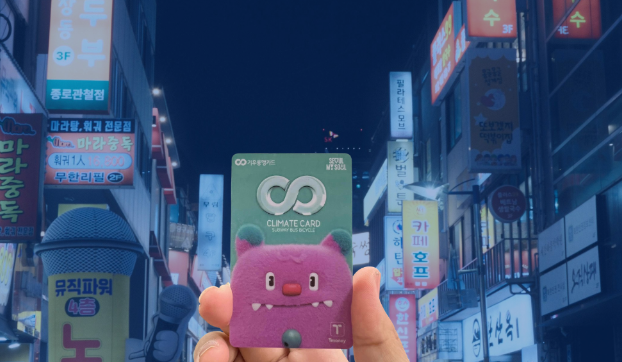
1. What Is the Seoul Climate Card?
The Seoul Climate Card gives riders access to Seoul public transportation for a fixed period. For tourists, Seoul offers five short-term passes: 1 day for KRW 5,000, 2 days for KRW 8,000, 3 days for KRW 10,000, 5 days for KRW 15,000, and 7 days for KRW 20,000. Travelers also pay KRW 3,000 for the physical card itself. Seoul notes that the pass starts on the day you load it, so you cannot activate a short-term pass in advance.
Most visitors will use the physical card and a short-term pass. Seoul also offers longer options, but short-stay travelers usually need the 1-day to 7-day versions. That setup makes the card easy to understand for first-time visitors.
2. Where to Buy the Seoul Climate Card in 2026
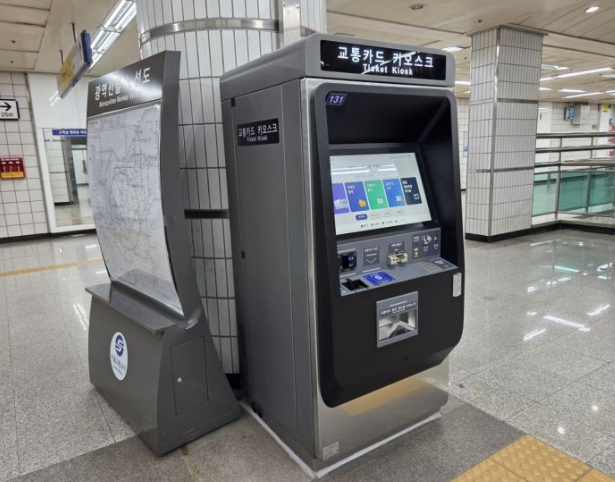
Tourists can buy the physical Seoul Climate Card at new card vending machines in subway stations on Seoul Metro Lines 1 to 8. On Line 1, Seoul says the available stretch runs from Seoul Station to Cheongnyangni Station. The city also says travelers can find the card at convenience stores near stations on Line 9, the Ui-Sinseol Line, and the Sillim Line.
You can also check the official Seoul Climate Card guide for the latest sales locations, prices, and coverage details.
Seoul also offers a mobile version, but that option works only on Android 12 or later. In addition, Seoul says mobile users need bank transfer or a domestic credit or debit card in the user’s own name. Because of those limits, most foreign tourists will find the physical card easier.
The payment rules improved in 2026. Seoul says that, starting March 17, 2026, travelers can purchase and recharge physical Climate Cards with international credit and debit cards. The city also says tourists can buy short-term passes with international credit cards. That change makes the card much easier to use for overseas visitors.
3. How to Recharge the Seoul Climate Card
Travelers usually recharge the physical card at a station kiosk. Seoul says those kiosks operate in subway stations on Seoul Metro Lines 1 to 8, Line 9, the Ui-Sinseol Line, the Sillim Line, and the Gimpo Goldline. For physical cards, Seoul allows cash, domestic credit cards, and domestic debit cards, and from March 17, 2026, the city also allows international credit and debit cards.
Seoul now supports app-based recharge for physical cards too. The city announced that users can recharge, suspend use, request refunds, and check usage history through the Mobile T-money app on Android and iPhone. Still, Seoul notes that the app uses a Korean interface and requires mobile phone verification, so many short-term tourists may still prefer station kiosks.
Before you expect refunds or bike access, register the physical card online. Seoul says registered physical cards can create a two-hour Ttareungi pass, while unregistered cards cannot use that feature. Seoul also explains the refund formula and requires card registration for certain benefits.
4. Seoul Climate Card 2026 Price Table
| Pass type | Price |
|---|---|
| 1-day pass | KRW 5,000 |
| 2-day pass | KRW 8,000 |
| 3-day pass | KRW 10,000 |
| 5-day pass | KRW 15,000 |
| 7-day pass | KRW 20,000 |
| Physical card | KRW 3,000 |
These are the official short-term prices for tourists, and Seoul charges the physical card fee separately.
5. What the Seoul Climate Card Covers
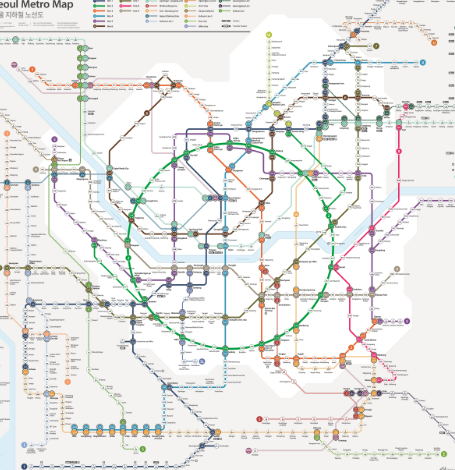
The Climate Card mainly covers subway and bus travel within the official service range. Seoul says riders can use it on Seoul-based subway lines, some connected sections outside Seoul, and Seoul-licensed city and town buses. The official foreigner guide also lists Ttareungi and the Hangang Bus in the broader Climate Card system.
Short-term passes work a bit differently. Seoul and Tmoney both state that short-term passes cover subway and bus, but they do not include Ttareungi or the Hangang Bus. Because of that limit, most tourists should treat the short-term Climate Card as a subway-and-bus pass.
Subway boundaries matter as well. Seoul says the card covers some connected sections, including the AREX segment between Gimpo International Airport Station and Seoul Station. At the same time, the city warns that riders cannot rely on the card if they e
xit outside the service range. So, travelers need to check the destination station before taking a long trip.
6. What the Seoul Climate Card Does Not Cover
The Climate Card does not cover every route around the capital region. Seoul excludes the Shinbundang Line, subway routes outside the service range, airport buses, intercity buses, and buses licensed outside Seoul. That means tourists cannot use the card for many airport and intercity trips.
Airport travel causes the most confusion. Seoul includes only the AREX section between Gimpo International Airport Station and Seoul Station, while the city excludes airport buses altogether. Because of that rule, travelers going to or from Incheon should check the full route before they assume the card will work.
7. How to Use the Card Correctly
Once you load the pass, daily use is easy. Seoul tells riders to tap the card when they board and again when they get off. The city also warns that two missed tap-outs will trigger a 24-hour suspension from the time of the last boarding. So, tourists should pay close attention at station gates and bus readers.
A quick route check can save money. Seoul explains that staff may collect an extra fare if a rider starts inside the service range but exits at an excluded station outside that range. In practice, that means the card works best when you confirm the endpoint before you travel far beyond central Seoul.
8. Refund Rules Tourists Should Know
Seoul allows refunds, but timing matters. The city says the refund amount equals the total charged amount minus the amount used on public transportation and a KRW 500 fee. Seoul also says riders must request the refund before the pass period ends. After the pass expires, the refund option no longer applies.
Foreign visitors should remember one more point. Seoul says travelers without a Korean bank account may need to visit Tmoney headquarters for a refund. The city also notes that refunds can become difficult when the card is not in the user’s own name. For that reason, tourists should register the card and keep their purchase details.
9. Final Verdict
Using the Seoul Climate Card in 2026 is not hard. Buy the physical card at a subway vending machine or a participating convenience store, load a short-term pass, tap in and out, and stay inside the service range. Most importantly, use the card for Seoul-focused subway and bus travel rather than airport buses, intercity buses, or excluded rail lines.
For a Seoul-heavy trip, the card can save money and reduce stress. Still, the value depends on one thing: knowing what the card covers before you travel.
FAQ
Where can tourists buy the Seoul Climate Card in 2026?
Tourists can buy the physical card at subway station vending machines on Seoul Metro Lines 1 to 8 and at convenience stores near stations on Line 9, the Ui-Sinseol Line, and the Sillim Line.
Can tourists recharge the Seoul Climate Card with an international card?
Yes. Seoul says that, starting March 17, 2026, travelers can use international credit and debit cards to purchase and recharge physical Climate Cards.
Does the short-term Seoul Climate Card cover Ttareungi?
No. Seoul and Tmoney both say short-term passes do not include Ttareungi or the Hangang Bus.
Does the Seoul Climate Card cover airport buses?
No. Seoul excludes airport buses from the service range.
What happens if I forget to tap out?
Seoul says two missed tap-outs will suspend use for 24 hours from the time of the last boarding.