If you are visiting South Korea for the first time, one practical question comes up quickly: how should you pay for things in Korea? The good news is that paying in Korea is usually easy. In most places, international credit cards work well, and many stores also accept prepaid travel cards and transportation cards. However, some smaller places still prefer cash, and tipping is generally not expected.
In Short
In Korea, most travelers can get by with a Visa or Mastercard, a small amount of cash, and a transportation or prepaid travel card. Most stores accept cards, but traditional markets and some street shops may still be cash-only. Also, tipping is not part of normal Korean service culture.
1. Yes, You Can Use Cards in Most Places
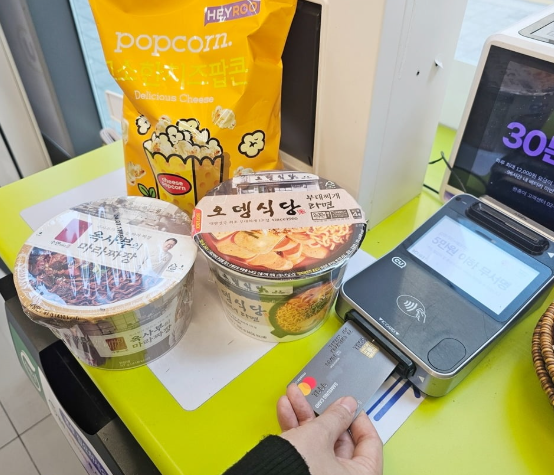
For most visitors, card payment is the easiest option in Korea. Official tourism guidance says that most businesses in Korea widely accept credit cards, including hotels, department stores, and general shops. VISITKOREA also notes that at most Korean stores, international cards such as Visa, Mastercard, JCB, AMEX, and UnionPay can be used.
This means you usually do not need to carry a lot of cash when shopping, eating at chain restaurants, staying in hotels, or buying things at convenience stores. In fact, Korea’s tourism guidance even describes the country as a place where most locations accept cards, even for small purchases.
Still, “most places” does not mean “every place.” That is where many travelers get confused.
2. You Should Still Carry Some Cash
Even though Korea is highly card-friendly, cash is still useful. According to VISITKOREA, some businesses such as traditional markets and street shops may only accept cash, so it is smart to keep a little petty cash with you.
Because of that, the best strategy is simple: use your card as your main payment method, but keep a backup amount of Korean won for smaller vendors, older shops, or places where card service is temporarily unavailable. This is especially helpful outside major tourist areas. That last point is a practical inference from official guidance that card acceptance is broad but not universal.
3. Tipping Is Usually Not Expected in Korea
Many travelers from the U.S. or Canada worry about tipping in Korea. In normal daily travel situations, you generally do not need to tip. Seoul’s official travel guide says tipping is not a Korean custom and is not expected by service personnel. VISITKOREA also states that taxis in Korea do not require tips.
So, if you eat at a restaurant, take a taxi, or buy coffee, you usually just pay the listed price. This makes budgeting easier because there is no need to calculate an extra 10 to 20 percent on top of the bill.
4. Transportation Cards Make Daily Travel Much Easier
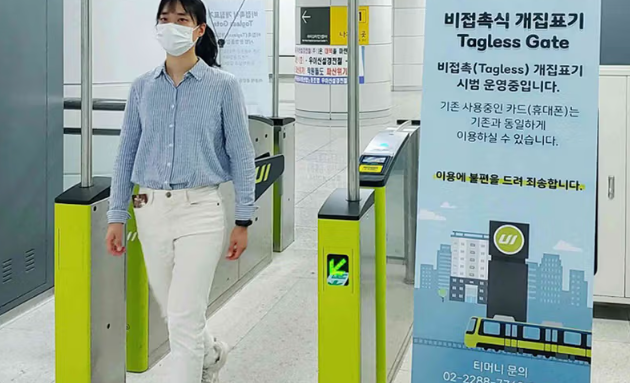
If you plan to use buses, subways, or even some taxis, a transportation card is one of the most useful things you can buy in Korea. VISITKOREA explains that transportation cards such as Tmoney, EZL, WOWPASS, and Climate Card are prepaid cards that do not require an account. They also offer transfer discounts on public transportation, and many of them can be used at affiliated online and offline stores.
That is why many visitors use a transportation card even if they already have a regular credit card. It is simply faster for day-to-day travel. Instead of buying individual tickets or handling small cash payments, you can tap and move on.
Tmoney in particular has broad usability. VISITKOREA says it can be purchased and reloaded at convenience stores nationwide, and Seoul’s tourism guide notes that Tmoney can be used on buses, subways, taxis, and even many convenience stores.
5. Prepaid Travel Cards Are a Good Backup for Foreigners
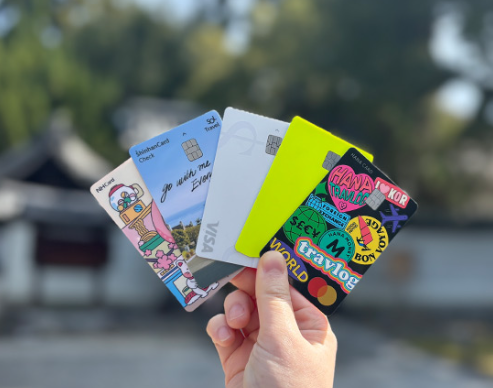
For short-term travelers, prepaid options can be very convenient. VISITKOREA describes WOWPASS as a foreigner-exclusive prepaid card that combines transportation functions with a debit-style payment function. It can be used for public transportation, purchases, and currency exchange-related services.
This is useful for travelers who want a simple all-in-one option instead of depending only on their home-country bank card. In practice, that means a prepaid tourist card can work well as a backup if your main card has overseas transaction limits, occasional approval issues, or unfavorable exchange fees. The convenience part is supported by official tourism guidance; the “backup strategy” is a travel recommendation based on that guidance.
6. What About Mobile Payments?
Korea has many digital payment options, and official tourism guidance notes that digital payments are easy to find throughout the country. VISITKOREA also says that some global mobile payment services, including Alipay and WeChat Pay, are accepted at certain stores, and k.ride supports overseas credit cards and some simple payment apps for foreign users.
However, for most first-time travelers, the safest setup is still this: bring an international card, carry a little cash, and add a transportation or prepaid travel card. That is the most reliable combination based on the official options currently promoted for visitors. This conclusion is an inference from the available official guidance.
7. Can You Pay for Taxis with Card?
Yes, in many cases you can. VISITKOREA states that taxis in Korea can be paid for with cash, credit card, or transportation card, and they do not require tips. That makes taxis much easier for visitors who do not want to carry large amounts of cash at night or after arriving at the airport.
Still, it is smart to check before starting the ride if you are in a less touristy area or using a smaller local taxi service. The official guidance supports broad payment availability, but a quick confirmation can prevent confusion.
8. Best Payment Setup for First-Time Visitors
Here is the easiest setup for most travelers visiting Korea:
| Payment Method | Best For | Good to Know |
|---|---|---|
| International credit card | Hotels, shopping, restaurants, convenience stores | Works in most places |
| Cash | Traditional markets, street food, small vendors | Carry a small backup amount |
| Tmoney or transit card | Subway, bus, taxi, small everyday payments | Fast and convenient |
| WOWPASS or similar prepaid option | Travelers who want a backup card | Useful for transport and purchases |
This setup matches current official tourism guidance: cards are widely accepted, some smaller places may still want cash, transit cards are convenient, and tourist prepaid cards are designed for foreign visitors.
Before visiting Korea, read my full essentials guide here.
9. Final Answer
So, how do you pay in Korea?
For most travelers, the answer is simple: use your card for most payments, keep some cash for smaller places, use a transportation or prepaid tourist card for everyday travel, and do not worry about tipping. That is the easiest and most realistic way to handle payments during a trip to Korea.
If you prepare those three things before or right after arrival, paying in Korea will feel much easier than many first-time visitors expect.
For the latest official payment and travel information, check the Korea Tourism Organization guide.