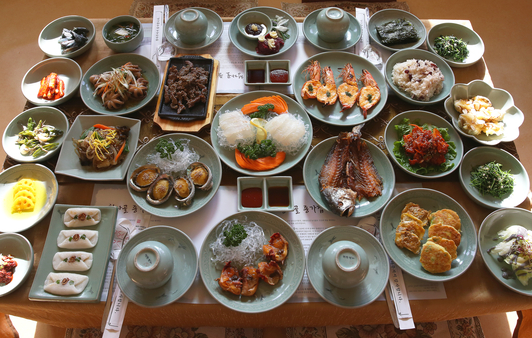
If you are visiting Korea for the first time, eating at a local restaurant is much easier than it looks.
A typical Korean meal often includes rice, soup or stew, and several small side dishes called banchan. In many places, tipping is not expected, and asking for more water or basic side dishes usually does not cost extra. Many restaurants also have helpful features such as table call buttons, utensil drawers, and self-service stations.
In Short
If you are new to Korea, here is the simple version:
- Expect several side dishes with your meal
- Do not worry about tipping
- Use the table bell or say “yeogiyo” if you need help
- Use a spoon for rice and soup
- Do not leave chopsticks sticking upright in rice
- Follow the pace of the table, especially with older diners
1. What a Korean restaurant meal usually looks like
A Korean restaurant guide should start with the table itself.
In Korea, a standard meal is not usually one plate for one person. Instead, you will often see rice, soup or stew, and multiple side dishes spread across the table. Kimchi is one of the most common side dishes, and banchan can include vegetables, pickles, eggs, tofu, or small seasoned dishes.
This is why a Korean meal can feel generous even when you order only one main dish. The meal is built around variety, not just portion size. In many cases, the side dishes are part of the dining experience, not expensive extras.
2. How ordering usually works in Korea
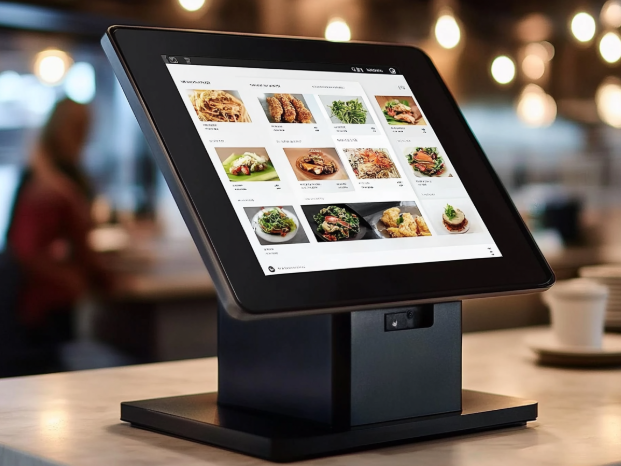
For first-time visitors, ordering is often the part that feels the most stressful. However, it is usually simpler than expected.
Some restaurants use paper menus. Others use tablets, kiosks, or QR ordering. In many traditional or casual places, a staff member will simply come over. If nobody approaches your table, look for a call bell. Many Korean restaurants have one built into the table. If there is no bell, saying “yeogiyo” politely is common and understood. VISITKOREA also notes that many restaurants now use self-service systems for water, side dishes, or ordering.
If you are unsure what to order, choosing a set meal, barbecue set, or popular house special is usually the safest move.
3. What banchan really means
One reason many travelers search for a Korean restaurant guide is confusion about side dishes.
Banchan are the small side dishes served with the main meal. They are a normal part of Korean dining culture. You do not need to eat them in a special order. According to VISITKOREA, Korean diners often combine different side dishes with rice freely, and there is no problem eating two or three things together in one bite.
That freedom is part of the fun. You can mix flavors, try a little of everything, and build each bite the way you like.
Still, remember one practical point: your personal rice and soup are usually your own, while many side dishes are shared across the table. A Korean dining table traditionally separates individual rice and soup from shared dishes.
4. Basic table manners that help a lot
You do not need perfect manners to enjoy a meal in Korea. Still, a few basics make a strong first impression.
Use your spoon for rice and soup. Use chopsticks mainly for side dishes. Also, do not leave chopsticks or a spoon standing upright in a bowl of rice. Seoul’s official tourism guide specifically advises against that. It also recommends letting the senior person at the table take the first bite when you are dining in a more traditional setting.
In casual restaurants, nobody expects you to act like a local expert. Even so, staying neat, following the mood of the table, and handling shared dishes respectfully will already make you seem considerate.
5. Do you tip in Korea?
In most ordinary Korean restaurants, no.
VISITKOREA states that tipping is not required or expected in Korea. The same source also notes that asking for more water or side dishes does not usually create an extra charge. In other words, if you are used to tipping in the United States, you can usually relax and simply pay the amount on the bill.
That said, always check the receipt at very upscale venues or hotels, since pricing structures can vary by business.
6. Helpful things first-time visitors often miss
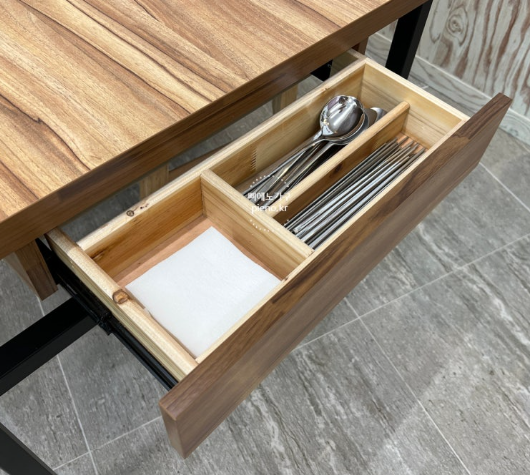
A good Korean restaurant guide should mention the small details that save time.
Many restaurants have a silverware drawer built into the table. Others provide water, napkins, or side dishes at a self-service station. Korean barbecue places may also have storage space under the chair or table so your clothes and bag do not absorb food smells too easily.
These little systems can feel surprising at first, but they usually make the meal faster and more convenient.
7. Common mistakes first-time travelers make
Here are a few mistakes that are easy to avoid:
| Situation | What surprises travelers | What to do instead |
|---|---|---|
| Too many small dishes arrive | They think they ordered extra food | Understand that many are standard banchan |
| No server comes over | They think service is slow | Use the call bell or say “yeogiyo” |
| The bill feels too simple | They expect a tip line | Just pay the listed amount in most regular restaurants |
| Shared dishes are on the table | They are unsure what is communal | Treat rice and soup as personal, side dishes as shared |
| Utensils seem different | They try to use chopsticks for everything | Use the spoon for rice and soup |
The exact experience can vary by restaurant, but these patterns are common enough that knowing them in advance makes the first meal much easier.
8. Useful Korean phrases for restaurant visits
You do not need much Korean to eat well.
Here are a few simple phrases:
- Yeogiyo = Excuse me / Over here
- Igeo juseyo = Please give me this
- Mul jom juseyo = Water, please
- Gyesan juseyo = Bill, please
- Masisseoyo = It’s delicious
Even using one or two of these makes the interaction smoother.
9. Final thoughts
The best Korean restaurant guide is not about memorizing strict rules. It is about knowing what to expect.
Once you understand banchan, shared dishes, spoon use, and the no-tip culture, Korean restaurants feel much more approachable. In fact, many travelers end up loving the variety, convenience, and relaxed rhythm of eating in Korea. Official tourism guidance also suggests that if you need help while traveling, you can use the 1330 Korea Travel Helpline, which supports multiple languages including English, Japanese, Chinese, Russian, Vietnamese, Thai, and Malay.
If it is your first trip, this is one of the easiest parts of Korea to enjoy once you know the basics.
For official travel tips about Korean food and restaurants, check the VISITKOREA food guide.
FAQ
Are side dishes free in Korea?
At many standard Korean restaurants, basic side dishes come with the meal, and VISITKOREA says requests for more side dishes usually do not incur extra costs.
Is tipping rude in Korea?
Tipping is generally not expected in ordinary Korean restaurants. In most cases, it is simply unnecessary.
Do I need to speak Korean to order food?
No. Many restaurants are used to travelers, and self-order systems are increasingly common. Pointing at the menu also works in many places.
If you are planning your first trip, read my full Korea travel basics guide before you go.