If you are visiting South Korea for the first time, one awkward question comes up fast: do you need to tip in Korea?
The simple answer is no. In most everyday situations, tipping is not expected in Korea. Official travel guides for Seoul and Korea both say tipping is not a Korean custom, and Korea’s tourism guidance for taxis also says taxi drivers do not require tips.
Paying in Korea: Cash, Cards, and Transit Guide
In Short
Tipping in Korea is usually not expected. In regular restaurants, cafés, and taxis, you normally just pay the listed price or the metered fare. However, some major hotels and upscale restaurants may already add a 10% service charge and 10% VAT to the bill, so extra tipping is still unnecessary in those places.
1. Why Tipping Feels Different in Korea
Travelers from the United States, Canada, and some parts of Europe often feel nervous in Korea because the rules are different. In Korea, good service is usually treated as part of the standard experience, not something that depends on an extra tip. That is why many visitors feel confused at first. They are used to calculating 10%, 15%, or 20% before leaving a restaurant or getting out of a taxi. In Korea, that extra math is usually unnecessary. Official tourism sources simply describe tipping as something that is not required or expected.
This difference matters because it can change how relaxed your trip feels. Once you understand that tipping in Korea is generally not part of normal daily service culture, paying becomes much easier. You can focus on the menu, the ride, or the experience itself instead of worrying about whether you look rude.
2. Do You Tip at Restaurants in Korea?
In normal Korean restaurants, the answer is usually no. Korea Tourism Organization’s dining guide says tipping is not required or expected in Korea. The same guide also explains that asking for more water or side dishes does not usually create an extra charge.
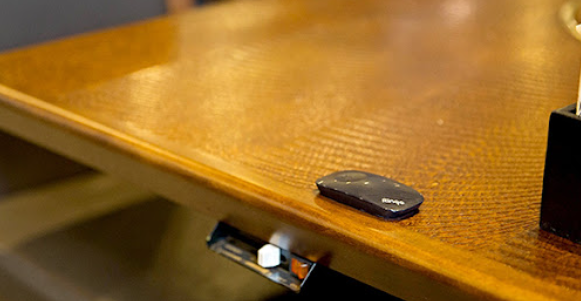
That surprises many travelers because Korean restaurants often feel generous compared with restaurants in some other countries. You may receive water, side dishes, napkins, utensils, and quick table service without any separate tipping step. In many places, you may also notice a call bell on the table or a self-service station for water and side dishes. These systems make the dining experience feel different, but they do not mean you should add a tip. They simply reflect how many Korean restaurants operate.
official Korea tourism dining guide
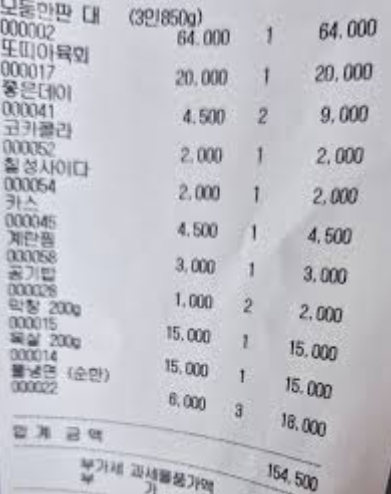
So what should you do after the meal? Usually, you just pay the amount on the bill. That is it. If you leave cash on the table as a tip, staff may think you forgot your money.
3. Do You Tip at Cafés?
Most of the time, no. Korea does not have a standard café tipping culture like the one some travelers know from North America. In ordinary cafés, you generally pay the menu price and move on. That matches the broader tourism guidance that tipping is not expected in Korea’s everyday service settings.
You may occasionally see a tip jar in highly international areas, but that does not mean tipping is required. In practical terms, first-time visitors are usually safest when they follow the basic Korean norm: pay the listed amount unless a charge is already built into the receipt.
4. Do You Tip Taxi Drivers in Korea?
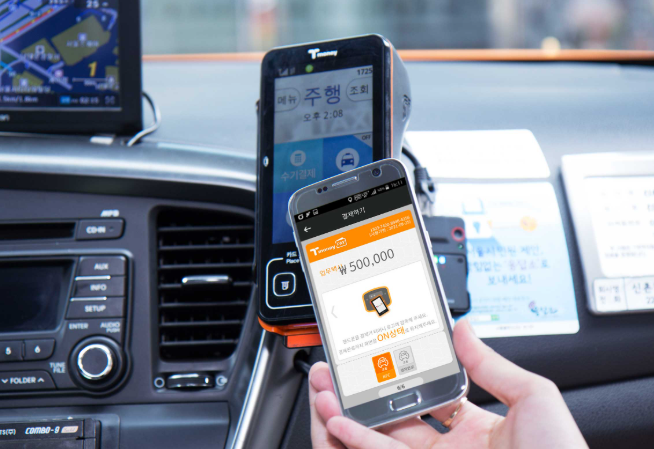
No, not normally. Korea Tourism Organization’s taxi guide says most taxis charge by the taximeter and do not require tips. The same guide also notes that passengers can usually pay by cash, credit card, or transportation card, which makes the process simple for travelers.
This is useful because taxis are one of the places where foreign visitors often hesitate. In some countries, tipping the driver is automatic. In Korea, it is not. If the meter says a certain amount, you usually just pay that amount. Therefore, taxis are actually easier than many tourists expect. There is no need to calculate a percentage at the end of the ride.
If you are already planning a Korea transportation article cluster, this point connects perfectly with your existing taxi and payment posts.
5. What About Hotels and Fine Dining?
This is the one area where travelers should check the bill more carefully. According to the official Seoul travel guide, tipping is not a Korean custom, but many major hotels and upscale restaurants add a 10% service charge and an additional 10% VAT to the bill. That means the extra service-related cost may already be included before you even think about leaving more money.
In other words, even in more expensive settings, the answer is still usually do not add another tip. Instead, read the receipt. If the bill already includes service charge and VAT, the expected payment is already there. This is one of the easiest ways to avoid awkward double-paying.

6. Why Some Travelers Get Confused
There are a few reasons this topic creates confusion.
First, many travelers come from countries where tipping is strongly tied to politeness. Therefore, not tipping can feel uncomfortable even when it is actually the correct local behavior.
Second, some visitors assume that better service always means an extra payment is expected. In Korea, that is usually not how it works. Staff may still be efficient, polite, and attentive without waiting for a tip.
Third, upscale hotels or international-style venues can make the situation look more complicated. However, that is exactly why checking the receipt matters more than following instinct. In many of those places, the service-related charge has already been built into the bill.
7. The Safest Rule for First-Time Visitors
If you want one easy rule, use this:
In Korea, do not tip unless there is a very specific reason and you clearly understand the situation.
For most travelers, that rule works almost everywhere. At restaurants, cafés, and taxis, just pay the listed or metered amount. At hotels or upscale restaurants, read the receipt first. If you see service charge already included, you are done.
This approach keeps you close to local expectations and helps you avoid the most common tourist mistake: assuming you must tip because that would be normal back home.
8. Quick Table: Should You Tip in Korea?
| Situation | Should You Tip? | What to Do |
|---|---|---|
| Regular restaurant | No | Pay the bill amount |
| Café | No | Pay the menu price |
| Taxi | No | Pay the metered fare |
| Major hotel | Usually no extra tip | Check if service charge is already included |
| Upscale restaurant | Usually no extra tip | Check the receipt for service charge and VAT |
The table above matches the core guidance from Korea’s official tourism pages: everyday tipping is generally not expected, and high-end venues may already build service-related charges into the bill.
FAQ
Is tipping rude in Korea?
Not always rude, but it is usually unnecessary. In normal situations, staff do not expect it, so leaving extra money can create confusion. Official tourism guides describe tipping as not required or expected.
Do Korean restaurants charge for extra side dishes?
Official tourism guidance says requests for more water or side dishes do not incur additional costs. In practice, this is one of the reasons dining in Korea can feel easier for first-time travelers.
Do I need cash for tips in Korea?
Usually no, because you normally do not need to tip in the first place. This fits well with your payment article too, since travelers often need only small backup cash rather than tip money.
Final Thoughts
If you remember only one thing, remember this: tipping in Korea is usually not expected. That is true in ordinary restaurants, cafés, and taxis. In luxury hotels or upscale restaurants, the smarter move is not to add extra money automatically, but to check whether service charge and VAT are already included on the bill.
For travelers, this is actually good news. Korea is one of those places where paying can feel simpler once you understand the local rule. You do not need to guess, overthink, or do percentage math at the table. Most of the time, you can just pay the stated amount and enjoy the experience.