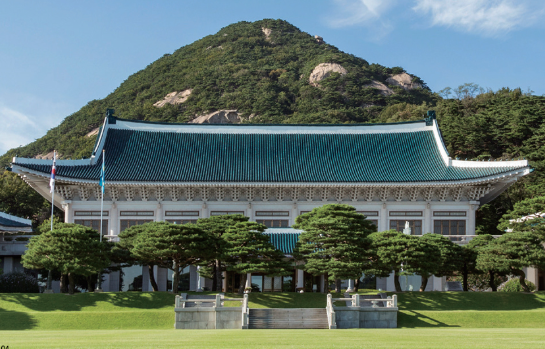
Many tourists still search for the Blue House in Seoul because it used to be one of the most unique free attractions in Korea. However, here is the truth first: the Blue House, also known as Cheong Wa Dae, is no longer the same public tourist attraction it was from 2022 to 2025.
So, is it still worth visiting in 2026?
The answer is yes, but only if you understand what you are actually visiting. You should not go expecting a normal indoor tour of the presidential buildings. Instead, you should treat the Blue House area as a historic landmark near Gyeongbokgung Palace, Bukchon Hanok Village, Samcheong-dong, and Cheongwadae Sarangchae.
If you are already planning to visit Gyeongbokgung Palace, the Blue House area can be a meaningful short detour. But if you have only two or three days in Seoul, it may not deserve a special trip by itself.
1. What Is the Blue House in Seoul?
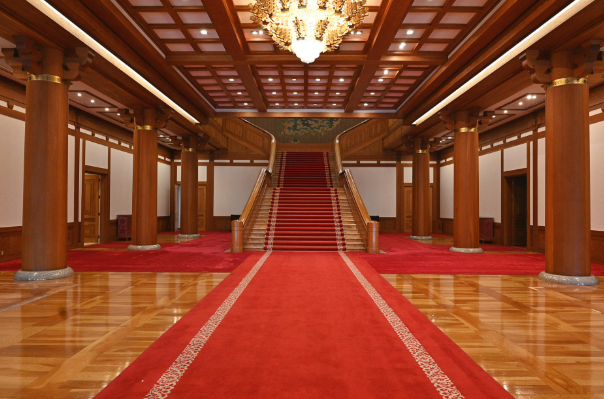
The Blue House, or Cheong Wa Dae, is one of the most symbolic political landmarks in South Korea. For decades, it served as the official presidential office and residence.
The name “Blue House” comes from the blue roof tiles on the main building. The complex sits north of Gyeongbokgung Palace, with Bugaksan Mountain behind it. Because of this location, the area feels more traditional, quiet, and historic than many modern parts of Seoul.
For Koreans, Cheong Wa Dae is not just a pretty building. It is connected to modern Korean politics, presidents, national decisions, protests, controversies, and major historical moments. For foreign visitors, it can be an interesting place because it shows a different side of Seoul beyond shopping streets and cafes.
However, the important thing is that the Blue House is not a simple tourist attraction anymore.
2. Why Did Tourists Suddenly Care About the Blue House?
For a long time, ordinary tourists could not casually enter the Blue House. It was a heavily protected presidential space.
That changed in 2022, when the presidential office moved to Yongsan and Cheong Wa Dae opened to the public. For many travelers, this felt like a rare chance to enter a place that had been closed for decades.
From 2022 to 2025, many visitors booked free tours, walked through the grounds, took photos of the famous blue roof, and shared the experience on blogs, YouTube, Instagram, and TikTok.
That is why you can still find many older travel posts saying things like:
“Blue House is free to visit.”
“You can reserve a Cheong Wa Dae tour online.”
“It is one of the best hidden attractions in Seoul.”
The problem is that much of that information is now outdated.
3. Can You Still Visit the Blue House in 2026?
This is the most important part.
As of 2026, tourists should not assume that they can freely enter the Blue House like visitors did during the public opening period. Public visits changed in 2025, and the site returned to a more official government-related role.
This means that older travel videos, blog posts, and social media guides may confuse you. If a post was written between 2022 and mid-2025, it may describe a version of the Blue House that no longer exists for normal tourists.
You may still be able to visit the surrounding area, walk near the site, and combine it with nearby attractions. However, the Blue House itself should not be treated as a guaranteed open attraction.
Before going, always check the latest official information.
Before going, always check the latest information on the official Cheong Wa Dae website.
4. Is the Blue House Worth Visiting in 2026?
The Blue House is worth visiting only for certain types of travelers.
If you love Korean history, politics, architecture, or symbolic places, the area can still be meaningful. Even if you cannot enter the main buildings, the location itself has value. It is close to Gyeongbokgung Palace, Bugaksan Mountain, Samcheong-dong, and Bukchon Hanok Village.
However, if you want a fun, active, and guaranteed tourist experience, the Blue House may feel disappointing. There are no large shopping streets, theme park rides, food alleys, or nightlife spots directly inside the site.
In simple terms, the Blue House is not a place you visit for entertainment. It is a place you visit for context.
5. Quick Verdict: Go or Skip?
| Traveler Type | Should You Visit? | Reason |
|---|---|---|
| First-time visitor with only 2 days in Seoul | Maybe skip | Gyeongbokgung, Myeongdong, Hongdae, and N Seoul Tower may be more satisfying |
| First-time visitor already visiting Gyeongbokgung | Yes | It is nearby and easy to add |
| History lover | Yes | The area has strong political and cultural meaning |
| Photographer | Maybe | Good for street and landmark photos, but access may be limited |
| Family traveler with kids | Maybe skip | It may feel too quiet or abstract |
| K-drama or politics fan | Yes | The symbolism can make the visit more interesting |
| Traveler who wants guaranteed indoor attractions | Skip | Access rules can change |
6. The Best Way to Visit the Blue House Area
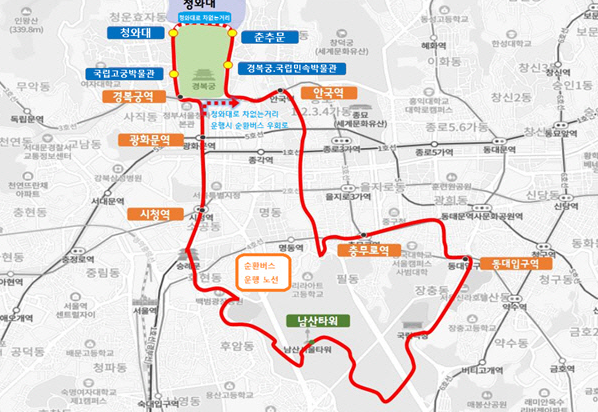
The smartest way to visit the Blue House area is to combine it with nearby attractions. Do not make it your only destination of the day.
A good half-day route looks like this:
| Time | Place | Why It Works |
|---|---|---|
| Morning | Gyeongbokgung Palace | The most important historic palace in Seoul |
| Late morning | Blue House area | Easy walking distance from the palace |
| Lunch | Samcheong-dong | Cafes, restaurants, and quiet streets |
| Afternoon | Bukchon Hanok Village | Traditional Korean houses and photo spots |
| Optional | Insadong | Souvenirs, tea houses, and cultural shops |
This route gives you a stronger experience because you are not depending only on the Blue House. Even if access is limited, your day will still feel complete.
7. Blue House vs Gyeongbokgung Palace: Which Is Better?
For most first-time travelers, Gyeongbokgung Palace is better than the Blue House.
Gyeongbokgung Palace is easier to enjoy. You can walk around the palace grounds, rent hanbok, watch the changing of the guard ceremony, and take classic Seoul travel photos. It feels like a clear tourist destination.
The Blue House is different. It is more symbolic than entertaining. You may find it interesting if you already know a little about Korean politics or modern Korean history. But if you do not know the background, it may just look like a restricted government area.
So, if you must choose only one, choose Gyeongbokgung Palace. If you have extra time, add the Blue House area after your palace visit.
8. What Can You Do Near the Blue House?
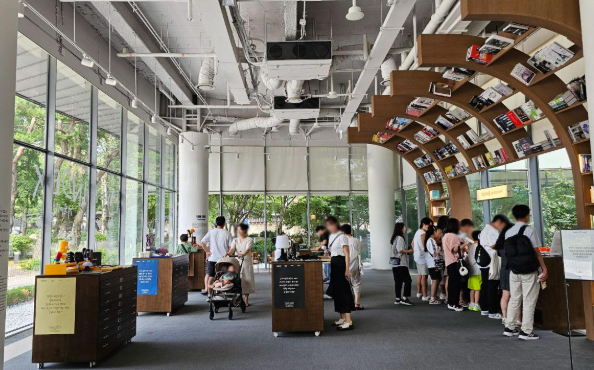
Even if you cannot enter the Blue House itself, the surrounding area is still useful for travelers.
You can visit nearby places such as Gyeongbokgung Palace, Cheongwadae Sarangchae, Samcheong-dong, Bukchon Hanok Village, and Insadong. These places are close enough to combine into one route.
Cheongwadae Sarangchae is especially useful because it gives visitors more background about Korean culture, tourism, and the Blue House area. It is not the same as entering the Blue House, but it can help you understand why the area matters.
Samcheong-dong is also a good stop after walking around the palace and Blue House area. It has cafes, restaurants, small shops, and calm streets. If you want a slower Seoul experience, this route works well.
9. How Much Time Do You Need?
You do not need a full day for the Blue House area.
| Plan | Recommended Time |
|---|---|
| Quick photo stop nearby | 20–30 minutes |
| Slow walk around the area | 45–60 minutes |
| With Cheongwadae Sarangchae | 1–1.5 hours |
| Gyeongbokgung + Blue House area | 2–3 hours |
| Gyeongbokgung + Blue House + Bukchon + Insadong | 4–6 hours |
For most tourists, 30 to 60 minutes is enough for the Blue House area itself. The visit becomes much better when you connect it with a larger walking route.
10. Is the Blue House Good for Photos?
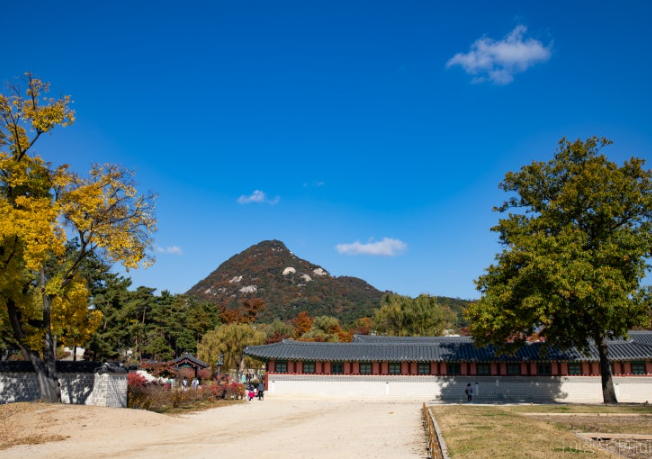
The Blue House area can be good for photos, but you should keep your expectations realistic.
Do not expect the same close-up shots shown in older travel videos. Some of those photos were taken during the public opening period from 2022 to 2025.
In 2026, your photo opportunities may depend on current access rules. Still, the area has a calm and elegant atmosphere. The combination of traditional-style architecture, mountain views, palace roads, and quiet streets makes it photogenic in a different way.
Spring and autumn are the best seasons for this area. Spring brings flowers and softer weather, while autumn gives you colorful leaves and clearer walking conditions.
11. Common Mistakes Tourists Make
The biggest mistake is trusting old information.
Many travel blogs and videos still say that the Blue House is a free attraction where tourists can enter after making a reservation. That may have been true during the public opening period, but it is not something you should assume in 2026.
Another mistake is visiting only for the Blue House. If you go there and find limited access, you may feel like you wasted your time. But if you combine it with Gyeongbokgung Palace, Samcheong-dong, Bukchon Hanok Village, or Insadong, the visit still makes sense.
A third mistake is not checking official information before going. Government-related sites can change quickly because of security, facility inspections, or official use.
12. Who Should Skip the Blue House?
You should probably skip the Blue House area if your Seoul itinerary is very short.
For example, if you only have one full day in Seoul, your time may be better spent at Gyeongbokgung Palace, Myeongdong, N Seoul Tower, Hongdae, or a food market. These places are easier to enjoy without needing much background knowledge.
You may also want to skip it if you are traveling with people who do not care about history or politics. The Blue House area is quiet, and the value comes mostly from understanding what the place represents.
If you want shopping, food, nightlife, or guaranteed entertainment, this is not the strongest choice.
13. Who Should Visit the Blue House Area?
You should consider visiting if you like meaningful places more than loud tourist spots.
The Blue House area is good for travelers who enjoy walking, history, symbolic landmarks, and slower neighborhoods. It is also good for people who have already visited Seoul before and want to understand the city beyond the most obvious attractions.
It is also worth adding if you are already going to Gyeongbokgung Palace. Since the area is nearby, you do not need to spend much extra time or money.
For curious travelers, the Blue House helps connect old Seoul and modern Korea in one area.
14. Final Verdict: Is the Blue House Seoul Worth It?
The Blue House is still worth knowing about, but it is not a must-visit attraction for every tourist in 2026.
If you are already near Gyeongbokgung Palace, it is worth adding as a short stop. The area gives you a deeper look at Korea’s modern history, politics, and symbolic architecture.
However, do not build your entire Seoul plan around it. Access can be limited, and the experience may not match older travel content online.
So here is the simple answer:
Do not visit Seoul only for the Blue House. But if you are already exploring Gyeongbokgung, Bukchon, or Samcheong-dong, the Blue House area is still a meaningful detour.
15. FAQ About the Blue House Seoul
Can tourists visit the Blue House in Seoul in 2026?
Tourists should not assume that the Blue House is open for regular public tours in 2026. Public access changed after 2025, so check official information before visiting.
Is the Blue House near Gyeongbokgung Palace?
Yes. The Blue House is located north of Gyeongbokgung Palace, so it can be combined with a palace visit.
Is the Blue House free?
The surrounding area can be visited without a normal attraction ticket, but official access to the Blue House itself depends on current rules.
What is the best alternative to the Blue House?
Gyeongbokgung Palace is the best nearby alternative for most first-time visitors. Cheongwadae Sarangchae, Bukchon Hanok Village, Samcheong-dong, and Insadong are also good options.
How long do you need near the Blue House?
Most tourists need only 30 to 60 minutes for the Blue House area. If you combine it with Gyeongbokgung and Bukchon, plan around 4 to 6 hours.