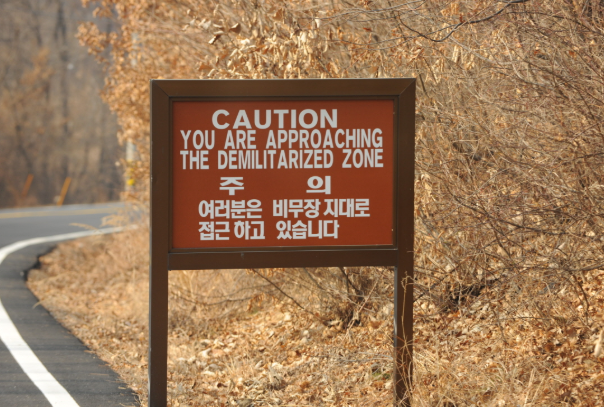
In Short
Yes, a DMZ tour from Seoul is worth it for many first-time visitors, especially if they want to understand Korea beyond shopping, cafés, palaces, and nightlife. The DMZ is not a normal tourist attraction. It is a restricted military area connected to the division of Korea, the Korean War, and the ongoing tension between North and South Korea.
Before Visiting South Korea: 10 Essential Things to Know
However, it is not for everyone. If you want a relaxed, flexible, photo-heavy day trip, the DMZ may feel too controlled. You cannot simply walk around freely, and individual visits to places like Dora Observatory are not allowed. Visitors must access it through the DMZ Peace Tour, and identification such as a passport or Alien Registration Card is required.
| Quick answer | Details |
|---|---|
| Best for | History lovers, first-time Korea visitors, travelers who want a meaningful day trip |
| Skip it if | You dislike early starts, strict schedules, military-controlled areas, or tunnel walking |
| Time needed | Usually half-day to full-day depending on tour type |
| Main stops | Imjingak, 3rd Tunnel, Dora Observatory, Unification Village, sometimes suspension bridges |
| Must bring | Passport or valid ID |
1. What Is the DMZ?
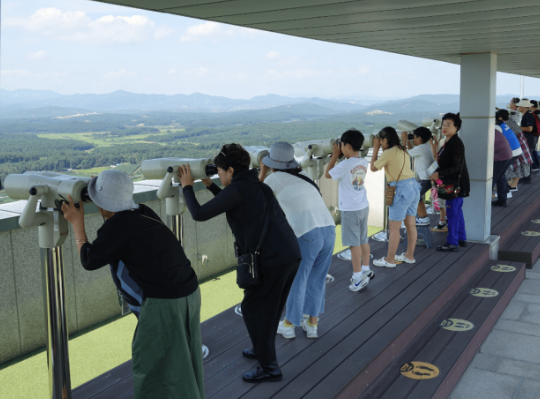
The DMZ, or Demilitarized Zone, is the buffer area between North Korea and South Korea. For tourists, the most common experience is not entering every part of the border zone, but joining a guided route from Seoul to Paju, where major stops include Imjingak, the 3rd Tunnel, Dora Observatory, and sometimes Dorasan Station or Unification Village.
The important thing to understand is this: the DMZ is not a theme park. It is a real restricted area. That is why the visit feels different from ordinary Seoul sightseeing. You are not just looking at a famous landmark. You are seeing one of the most politically sensitive places in the world from the South Korean side.
Most travelers visit through a guided bus tour from Seoul because access is controlled. The 3rd Tunnel tour starts from Imjingak Pavilion, and visitors are required to bring identification such as a passport or Alien Registration Card.
2. Why Do So Many Tourists Take a DMZ Tour from Seoul?
The biggest reason is that the DMZ gives travelers context. Many visitors come to Korea for food, K-pop, shopping, beauty products, palaces, and cafés. That is fine. But the DMZ explains another side of Korea: why the country developed under pressure, why military service matters, why reunification is still discussed, and why the Korean Peninsula remains globally important.
It is also easy to access from Seoul compared with how serious the place feels. You can leave Seoul in the morning, visit a restricted border area, and return later the same day. That contrast makes the tour memorable.
A DMZ tour also works well for search traffic because many foreign visitors already know the word “DMZ,” but they do not know whether it is safe, how to book it, whether a passport is needed, or whether the tour is worth the time. Those are exactly the questions this article should answer.
3. What Do You Usually See on a DMZ Tour?
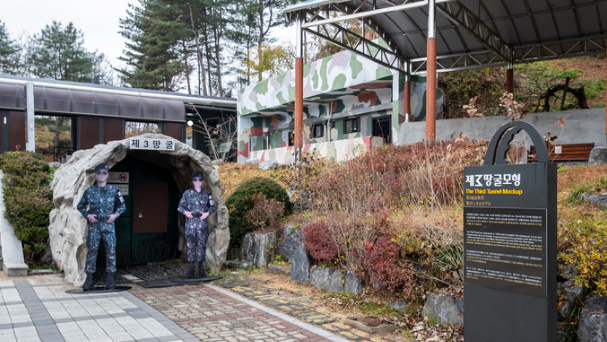
A typical DMZ tour from Seoul often includes several major stops. The exact route depends on the tour operator and security conditions, but these are the names travelers usually see when booking.
| Stop | What it is | Is it worth seeing? |
|---|---|---|
| Imjingak Park | A peace and history park near the civilian control area | Yes, especially as the starting point |
| 3rd Tunnel | A tunnel discovered in 1978, built by North Korea | Yes, but physically tiring |
| Dora Observatory | A viewpoint facing North Korea | Yes, one of the main highlights |
| Unification Village | A village inside the civilian control area | Interesting, but usually brief |
| Dorasan Station | Symbolic train station linked to hopes of inter-Korean connection | Depends on the tour |
| Suspension bridge option | Often added by commercial tours | Good for photos, less historically essential |
The 3rd Tunnel is one of the strongest parts of the tour. According to VisitKorea, it was discovered in 1978, is about 52 km from Seoul, has a total length of 1.6 km, and is 2 m wide.
official VisitKorea page for the 3rd Tunnel
Dora Observatory is another major highlight. From there, visitors can see areas such as Daeseong-dong, North Korean farmland and mountains, and the city of Gaeseong. Individual visits are not allowed, and access is through the DMZ Peace Tour after reservation.
4. The 3rd Tunnel: The Most Physical Part of the Tour
The 3rd Tunnel is probably the part people remember most physically. It is underground, narrow, and more tiring than many visitors expect. Some tours include a walking route, while some offer a monorail option depending on the package.
This is where expectations matter. If you imagine a dramatic, cinematic cave experience, you may be disappointed. The tunnel is historically important, but the actual visit can feel controlled and crowded. You usually walk down, follow the route, look around, and come back up.
The uphill return can be tiring. Gyeonggi Cultural Foundation notes that the path includes a steep upward slope and recommends that visitors experience it according to their physical capability. It also says families with children or senior citizens may prefer the monorail option.
So yes, the 3rd Tunnel is worth seeing. But it is not the easiest stop for everyone.
5. Dora Observatory: The Most Symbolic View
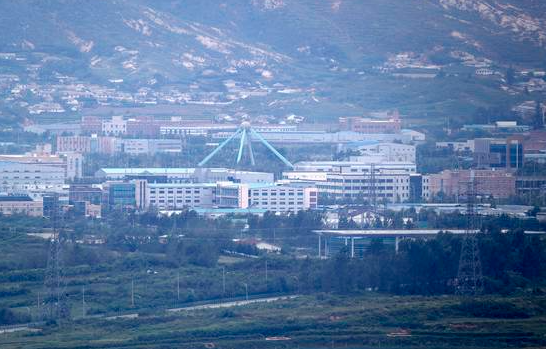
Dora Observatory is where the DMZ tour becomes visually clear. Instead of only hearing about the division of Korea, you look across the border area and see land connected to North Korea.
This is not a beautiful skyline view like N Seoul Tower or Seoul Sky. It is more serious than that. The value comes from the meaning of the place. You are standing on the South Korean side, looking toward a country most tourists cannot freely enter.
VisitKorea describes Dora Observatory as the closest DMZ observatory to Panmunjeom and says visitors can see Panmunjeom, Daeseong-dong village, North Korean mountains and farmland, and Gaeseong.
For many travelers, this is the moment when the tour feels truly different from other Seoul day trips.
6. How Much Does a DMZ Tour Cost?
Prices vary depending on whether you book a basic half-day tour, a full-day tour, hotel pickup, a suspension bridge option, or a special guide. As a rough travel-blog-friendly range, many commercial DMZ tours from Seoul are around $45–$90 per person.
For the official 3rd Tunnel-related DMZ Peace Tour, VisitKorea lists separate fees for monorail and walking options. The listed adult fee is KRW 12,200 for the monorail option and KRW 9,200 for the walking option.
| Type | Estimated cost |
|---|---|
| Basic official-style DMZ Peace Tour ticket | Around ₩9,200–₩12,200 |
| Commercial half-day Seoul tour | Around $45–$60 |
| Full-day tour with extra stops | Around $60–$90 |
| Private or special guide tour | Usually higher |
The cheapest ticket is not always the best option for foreign travelers. If you are visiting Korea for the first time, an English-speaking guide and Seoul pickup point can make the experience much easier.
7. What You Must Know Before Booking
The DMZ is not a place where you should improvise too much. There are several important rules.
First, bring your passport. This is not optional. VisitKorea states that visitors to the 3rd Tunnel and Dora Observatory are required to bring identification such as a passport or Alien Registration Card.
Second, check the operating day. VisitKorea lists Mondays as a holiday for Dora Observatory, and the 3rd Tunnel is also listed as closed on Mondays, weekday public holidays, and major Korean holiday periods such as Seollal and Chuseok.
Third, accept that the schedule can change. Because this is a military-controlled area, tours may be adjusted depending on security conditions. That does not mean the tour is unsafe for ordinary visitors, but it does mean flexibility is limited.
8. Who Should Take a DMZ Tour?
A DMZ tour from Seoul is a good fit for:
- First-time visitors who want a deeper Korea experience
- Travelers interested in history, politics, or military sites
- People who want a meaningful day trip outside Seoul
- Visitors who already covered palaces, markets, and shopping areas
- Travelers who prefer guided tours over independent exploring
It may not be ideal for:
- People who want a slow, relaxing travel day
- Travelers who dislike strict schedules
- Visitors with mobility issues, especially for the 3rd Tunnel
- People who mainly want pretty photos
- Anyone who might forget their passport
The DMZ is valuable because it is serious. But that is also why it may not match every traveler’s mood.
9. DMZ Tour vs Other Seoul Day Trips
Some travelers wonder whether they should choose the DMZ, Nami Island, Suwon Hwaseong, Everland, or a palace-focused day in Seoul. The answer depends on what they want.
| Day trip | Best for | Mood |
|---|---|---|
| DMZ Tour | History, politics, Korean division | Serious, meaningful |
| Nami Island | Photos, nature, couples | Relaxed, scenic |
| Suwon Hwaseong | UNESCO history, walking | Cultural, calm |
| Everland | Families, rides | Fun, busy |
| Palace day in Seoul | First-time classic sightseeing | Easy, traditional |
The DMZ is not the “most fun” day trip. But it may be the most memorable one.
10. Is the DMZ Tour Safe?
For ordinary tourists joining an approved guided tour, the DMZ tour is generally treated as a controlled sightseeing experience. Visitors follow designated routes, remain with the group, and move through official access points.
That said, it is still a restricted area. You should follow the guide’s instructions, avoid wandering away, and take rules seriously. Do not treat it like a normal park or photo zone.
The safest mindset is simple: go with a proper tour, bring your passport, listen carefully, and understand that access depends on official conditions.
11. Best Time to Visit the DMZ
Morning tours are usually the safest choice because many tours leave Seoul early. A morning departure also gives you more buffer if there are delays, ticketing lines, or route changes.
Spring and autumn are usually the most comfortable seasons because the weather is not too hot or too cold. Winter can feel harsh because the border area is open and windy. Summer can be humid, and the tunnel section may feel uncomfortable if the tour is crowded.
Still, the DMZ is not mainly a seasonal beauty destination. It is a history and meaning destination. So the best time is usually the day that fits your Seoul itinerary and has an available official tour.
12. Final Verdict: Is a DMZ Tour from Seoul Worth It?
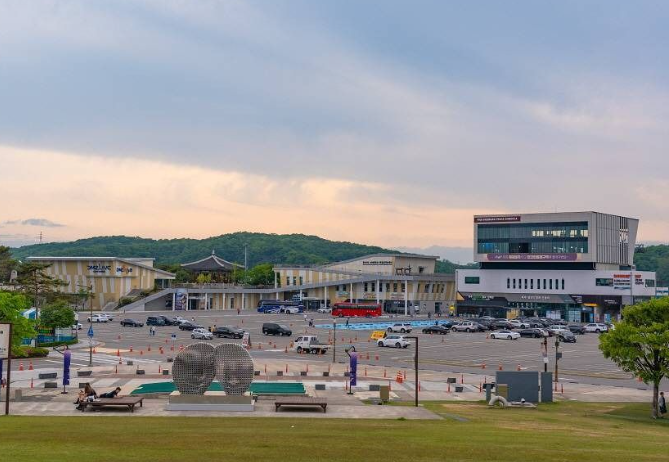
Yes, a DMZ tour from Seoul is worth it if you want one of the most meaningful day trips in Korea. It gives you a direct look at the division of the Korean Peninsula, and it helps you understand modern Korea in a way that shopping streets and cafés cannot.
However, you should book it with the right expectations. This is not a flexible, aesthetic, relaxing trip. It is guided, controlled, sometimes tiring, and dependent on security rules. The 3rd Tunnel can be physically demanding, and Dora Observatory requires proper tour access.
So the honest answer is this: if you only have two or three days in Seoul, the DMZ may not be your first priority unless history really interests you. But if you have four or more days, or if you want to understand Korea more deeply, a DMZ tour is absolutely worth considering.
FAQ
Do I need a passport for a DMZ tour from Seoul?
Yes. Bring your passport or valid identification. VisitKorea states that visitors to the 3rd Tunnel and Dora Observatory are required to bring identification such as a passport or Alien Registration Card.
Can I visit the DMZ by myself?
For major restricted DMZ sites like Dora Observatory, individual visits are not allowed. Access is through the DMZ Peace Tour after reservation.
Is the 3rd Tunnel difficult?
It can be tiring because the return path includes a steep upward slope. Visitors should consider their physical condition before entering.
Is a DMZ tour good for kids?
It depends on the child’s age and comfort level. The topic is serious, and the tunnel section can be physically uncomfortable. Families should choose a tour carefully and consider the monorail option when available.
How long does a DMZ tour take?
The official DMZ Peace Tour around the 3rd Tunnel is listed as taking about 3 hours, but Seoul-based commercial tours often take half a day or longer because they include transportation from Seoul.