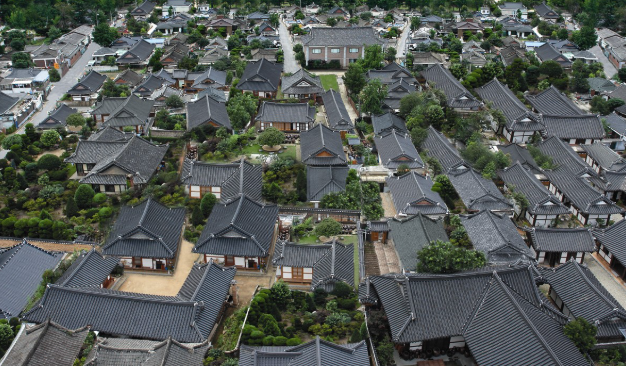
Jeonju Hanok Village looks beautiful in photos. Traditional Korean houses, tiled roofs, hanbok rentals, street food, cafes, and narrow alleys make it one of the most famous traditional destinations in South Korea.
But here is the real question: is Jeonju Hanok Village actually worth leaving Seoul for?
For many travelers, yes. However, it depends on your itinerary. If you only have two or three days in Korea, Jeonju may feel like too much effort. But if you have four or more days and want something more traditional, slower, and food-focused than Seoul, Jeonju can be one of the most memorable places in your trip.
Jeonju Hanok Village is not just a random photo zone. Visit Korea describes it as Korea’s largest and only urban traditional hanok village, with around 700 hanok buildings. It also started around important heritage areas such as Gyeonggijeon Shrine, Omokdae, and Jeonjuhyanggyo Confucian Academy.
So, is it worth it?
If you want traditional streets, Korean food, hanbok photos, and a slower cultural day outside Seoul, yes. If you only want fast sightseeing and modern attractions, maybe not.
1. What Is Jeonju Hanok Village?
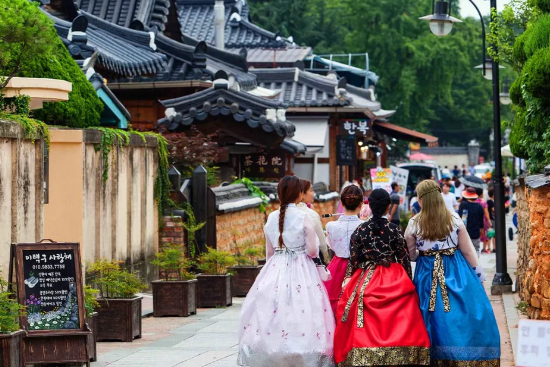
Jeonju Hanok Village is a traditional Korean village area located in Jeonju, a city in Jeonbuk State. It is famous for its large collection of hanok, which are traditional Korean houses with curved tiled roofs, wooden structures, and quiet courtyards.
Unlike Bukchon Hanok Village in Seoul, Jeonju Hanok Village feels more like a travel destination built around food, culture, walking, and photos. Bukchon is beautiful, but many parts are still residential. Jeonju feels more open to tourists, with restaurants, guesthouses, museums, cafes, hanbok rental shops, and street food all gathered in one area.
This makes Jeonju easier for first-time visitors to enjoy. You do not need a complicated plan. You can walk, eat, take photos, visit a few landmarks, drink coffee, and repeat.
Jeonju’s official tourism site also presents the city around major travel themes such as attractions, festivals, K-food, maps, transport, and reservations, which shows how strongly the city is built around cultural tourism.
2. Is Jeonju Hanok Village Free?
Yes, walking around Jeonju Hanok Village itself is free.
This is one of the biggest advantages. You do not need to pay an entrance fee just to enter the village. You can walk through the streets, see the hanok buildings, take photos, and enjoy the atmosphere without buying a ticket.
However, the total trip is not completely free. You still need to pay for transportation, food, drinks, hanbok rental if you want it, and possibly entrance fees for nearby attractions.
Here is a realistic budget.
| Item | Estimated Cost |
|---|---|
| Hanok Village entry | Free |
| KTX from Seoul to Jeonju, one way | Often around 30,000 won or more |
| Round-trip transport | Around 60,000 won or more |
| Meal | 10,000–20,000 won |
| Cafe or dessert | 5,000–10,000 won |
| Hanbok rental | Around 10,000–30,000 won depending on time and style |
| Realistic day-trip budget | Around 80,000–130,000 won |
Using an exchange rate of about 1 USD = 1,462 KRW, 100,000 won is roughly $68. Exchange rates change, so treat the dollar amount as an estimate.
The biggest cost is transportation. The village itself is affordable, but getting there from Seoul can make the day feel expensive.
3. How to Get to Jeonju Hanok Village from Seoul
The most comfortable way to get to Jeonju from Seoul is usually by KTX.
Korail’s official English website lets foreign travelers book KTX and other train tickets online, and its timetable and fare page directs travelers to check train schedules and prices before booking.
In general, the KTX from Seoul or Yongsan Station to Jeonju takes around 1 hour 40 minutes to 2 hours depending on the train. After arriving at Jeonju Station, you still need to take a taxi or bus to the Hanok Village.
| Route | Best For |
|---|---|
| KTX + taxi | First-time tourists, couples, families |
| KTX + local bus | Budget travelers |
| Express bus from Seoul | Travelers who want cheaper transport |
| Overnight stay | People who want a slower trip |
If you are doing a day trip from Seoul, leave early. If you arrive in Jeonju around lunchtime, the day can feel rushed. The best plan is to arrive in the morning, walk around the village, eat lunch, rent hanbok if you want, visit nearby landmarks, and return to Seoul in the evening.
If your Korea trip is short, this travel time matters. Jeonju is not difficult to reach, but it is not a quick subway ride like Hongdae, Myeongdong, or Lotte World.
4. What Makes Jeonju Hanok Village Special?
The main reason to visit Jeonju Hanok Village is the atmosphere.
The tiled rooftops are beautiful, especially when viewed from a higher point. The alleys are photogenic, the food is famous, and the village gives visitors a more traditional feeling than many modern Seoul attractions.
Jeonju is also strongly connected with Korean food culture. UNESCO describes Jeonju as a city renowned for gastronomy and traditional Korean food, supported by the Honam Plain, seafood from the Yellow Sea, vegetables, and wild greens from nearby mountains.
That matters because Jeonju is not only a “take photos and leave” destination. Food is a major part of the experience.
The best things to do include:
| Activity | Is It Worth It? |
|---|---|
| Walking through hanok streets | Yes |
| Eating Jeonju bibimbap | Yes |
| Trying street food | Yes, but choose carefully |
| Renting hanbok | Worth it for photos |
| Staying in a hanok guesthouse | Worth it if you stay overnight |
| Visiting Gyeonggijeon Shrine | Recommended |
| Visiting Jeondong Cathedral | Recommended |
| Random souvenir shopping | Optional |
Jeonju works best when you do not rush. If you treat it like a checklist, it may feel average. If you treat it as a slow cultural food trip, it becomes much better.
5. Is Jeonju Hanok Village Better Than Bukchon Hanok Village?
This is an important comparison.
Bukchon Hanok Village is in Seoul, so it is much easier to visit. You can go there by subway, take photos, visit nearby palaces, and continue your Seoul itinerary.
Jeonju Hanok Village requires more effort, but it feels bigger and more travel-worthy. Visit Korea describes Jeonju Hanok Village as having around 700 hanok buildings, while Jeonju’s tourism identity is strongly connected with food, traditional culture, and slow travel.
| Category | Jeonju Hanok Village | Bukchon Hanok Village |
|---|---|---|
| Location | Jeonju, outside Seoul | Seoul |
| Travel effort | High | Low |
| Best for | Food, slow travel, hanok stay, cultural day trip | Quick photos, Seoul itinerary |
| Atmosphere | More tourist-friendly | More residential |
| Time needed | Full day or overnight | 1–3 hours |
| Best visitor | Travelers with extra time | First-time Seoul visitors |
If you only have a short Seoul trip, Bukchon is easier. If you want a deeper hanok village experience, Jeonju is better.
So, Jeonju is not automatically better for everyone. It is better for travelers who are willing to spend the time.
6. What Should You Eat in Jeonju?
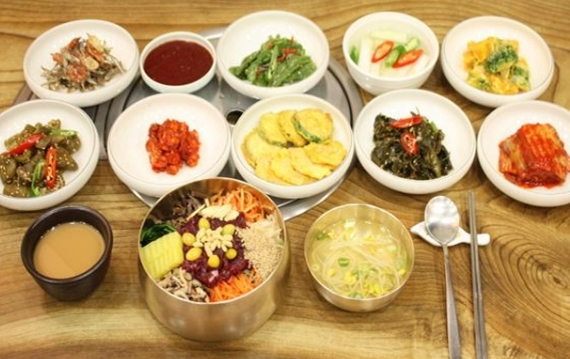
Food is one of the biggest reasons to visit Jeonju.
The most famous dish is Jeonju bibimbap. You can also try kongnamul gukbap, which is bean sprout soup with rice, and various street foods around the Hanok Village.
UNESCO’s page on Jeonju highlights the city’s strong food identity and describes it as a reference point for high-quality traditional Korean food.
Here are simple food priorities.
| Food | Why Try It? |
|---|---|
| Jeonju bibimbap | The city’s most famous dish |
| Kongnamul gukbap | Local comfort food |
| Choco pie | Popular Jeonju snack souvenir |
| Street skewers | Easy snack while walking |
| Makgeolli | Good for evening meals |
| Cafe desserts | Many hanok-style cafes nearby |
However, not every restaurant in the tourist area is amazing. Some places are better for convenience than quality. If you care about food, check recent reviews before choosing a restaurant.
The safest plan is simple: eat one proper Jeonju bibimbap meal, try one or two street snacks, and visit one cafe with a hanok view.
7. Should You Rent Hanbok in Jeonju?
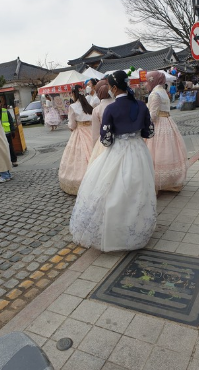
Hanbok rental is not necessary, but it can make the visit more memorable.
Jeonju Hanok Village is one of the best places in Korea to rent hanbok because the background fits the outfit perfectly. Seoul Travel Pass lists Jeonju Hanboknam rental options such as basic hanbok from 10,000 won for 1.5 hours and 30,000 won for one day, with theme hanbok options costing more.
If you enjoy photos, rent hanbok. If you do not care about photos, skip it.
| Traveler Type | Hanbok Rental Recommendation |
|---|---|
| Couple | Worth it |
| Family | Worth it |
| Solo traveler who likes photos | Worth it |
| Budget traveler | Optional |
| Traveler who hates dressing up | Skip |
| Hot summer visitor | Maybe skip |
The best time to rent hanbok is early in the day. The streets are less crowded, the light is better, and you will not feel rushed.
In summer, hanbok can feel hot and uncomfortable. In spring or autumn, it is much more pleasant.
8. Best Places to Visit Near Jeonju Hanok Village
One good thing about Jeonju Hanok Village is that many attractions are close together.
Jeonju’s official tourism page says that when visitors enter the Hanok Village, Jeondong Catholic Cathedral and Gyeonggijeon Shrine are among the first landmarks they see. It describes Jeondong Catholic Cathedral as a Western-style building within the Hanok Village and Gyeonggijeon Shrine as a place connected with the portrait of King Taejo.
Good nearby stops include:
| Place | Why Visit? |
|---|---|
| Gyeonggijeon Shrine | History and traditional architecture |
| Jeondong Catholic Cathedral | Beautiful contrast with hanok streets |
| Omokdae | Good viewpoint over hanok rooftops |
| Jeonjuhyanggyo Confucian Academy | Quiet traditional atmosphere |
| Hanok cafes | Rest, photos, desserts |
| Street food area | Snacks and casual walking |
If you only have a few hours, focus on the Hanok Village, Gyeonggijeon Shrine, Jeondong Cathedral, and one food stop.
If you stay overnight, add Omokdae, Jeonjuhyanggyo, a hanok guesthouse, and a slower evening walk.
9. Is One Day Enough for Jeonju Hanok Village?
Yes, one day is enough for the main Hanok Village experience.
However, one day is not enough if you want to explore Jeonju slowly. A day trip from Seoul can work, but it will be a long day. You need to wake up early, take the train, move from Jeonju Station to the village, explore, eat, and return.
Here is a simple day-trip plan.
| Time | Plan |
|---|---|
| 7:00–8:00 AM | Leave Seoul by KTX |
| 9:00–10:00 AM | Arrive in Jeonju |
| 10:00–11:30 AM | Walk around Hanok Village |
| 11:30 AM–1:00 PM | Eat Jeonju bibimbap |
| 1:00–3:00 PM | Visit Gyeonggijeon Shrine and Jeondong Cathedral |
| 3:00–4:30 PM | Hanbok photos or cafe |
| 4:30–6:00 PM | Street food and final walk |
| Evening | Return to Seoul |
If you hate tight schedules, stay one night. Jeonju feels better when you can enjoy the evening without worrying about the last train.
An overnight stay also lets you experience a hanok guesthouse, which can make the trip feel more special.
10. Is Jeonju Hanok Village a Tourist Trap?
Jeonju Hanok Village is not a tourist trap, but it can feel touristy.
There are souvenir shops, rental stores, snack stalls, photo zones, and cafes everywhere. Some parts can feel commercial, especially on weekends. If you expect a quiet hidden village, you may be disappointed.
But calling it a tourist trap is too harsh.
The village has real cultural value, a strong food identity, historical landmarks, and beautiful streets. It is famous for a reason. The problem is not that Jeonju Hanok Village is fake. The problem is that some visitors expect it to be untouched and peaceful all day.
It is better to think of Jeonju Hanok Village as a traditional cultural tourism district.
It is worth visiting if:
| You Should Go If… | Reason |
|---|---|
| You like traditional Korean streets | The hanok scenery is the main attraction |
| You care about Korean food | Jeonju is a strong food city |
| You have more than 4 days in Korea | The travel time becomes easier to justify |
| You want photos in hanbok | The background is perfect |
| You want a slower trip outside Seoul | Jeonju has a different mood |
You may want to skip it if:
| You Should Skip If… | Reason |
|---|---|
| You only have 2–3 days in Korea | Seoul priorities matter more |
| You dislike long travel days | The round trip can feel tiring |
| You only want nightlife and shopping | Seoul or Busan may be better |
| You hate tourist crowds | Weekends can be crowded |
| You do not care about food or photos | The value becomes weaker |
11. Best Time to Visit Jeonju Hanok Village
Spring and autumn are the best seasons.
Spring is good for walking, hanbok photos, and comfortable weather. Autumn is also excellent because the air is cooler and the streets feel more relaxed.
Summer can be hot and humid, especially if you rent hanbok. Winter is quieter, but the cold can make walking less comfortable.
| Season | Recommendation |
|---|---|
| Spring | Best for photos and walking |
| Summer | Possible, but hot |
| Autumn | Best overall season |
| Winter | Quiet, but cold |
| Weekend | More crowded |
| Weekday | Better experience |
If possible, visit on a weekday. The village feels much better when the streets are not packed.
Morning is the best time for photos. Late afternoon is good for cafes and a slower mood. Evening is nice if you stay overnight.
12. Final Verdict: Is Jeonju Hanok Village Worth It?
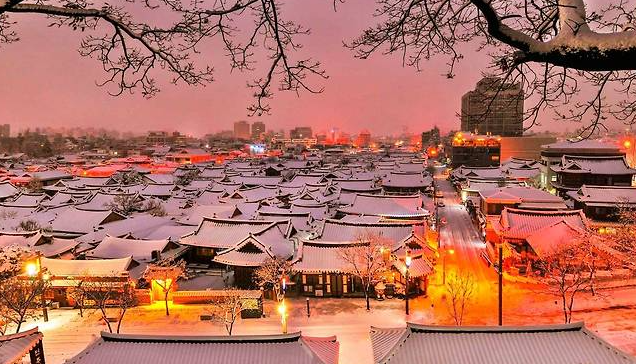
Jeonju Hanok Village is worth visiting if you have enough time in Korea and want a traditional cultural trip outside Seoul.
It is not the best choice for every traveler. If this is your first trip to Korea and you only have a short itinerary, you may want to focus on Seoul first. Palaces, markets, neighborhoods, shopping streets, museums, and food areas in Seoul can already fill several days.
But if you have extra time, Jeonju is a strong choice.
It gives you traditional streets, famous food, hanbok photos, historical landmarks, and a slower travel mood. It also feels different from Seoul, which makes the trip more memorable.
So, is Jeonju Hanok Village overrated?
A little, if you only go for photos.
But if you go for food, atmosphere, culture, and a slower day outside Seoul, it is absolutely worth considering.
The best way to enjoy Jeonju is simple: do not rush, eat well, walk slowly, and let the village be more than just a photo background.