If you are planning a trip to South Korea, one practical question comes up fast: what is the best way to stay connected after you land?
The simple answer is this: most travelers should choose either an eSIM or a prepaid SIM. Korea Tourism Organization says travelers can buy prepaid SIM cards for short stays, and major Korean airports also offer roaming services, SIM purchases, and Wi-Fi egg rentals. Incheon Airport’s official guide also shows roaming counters for KT, SK Telecom, and LG U+ in both Terminal 1 and Terminal 2.
efore Visiting South Korea: 10 Essential Things to Know (2026 Guide)
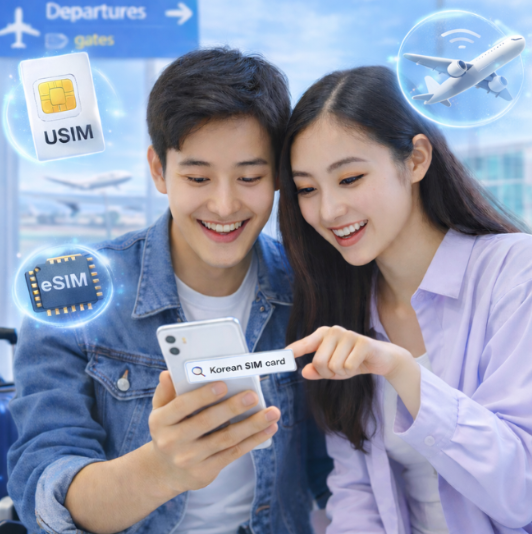
In Short
For most solo travelers, an eSIM is the easiest option. A physical SIM is a strong choice if you prefer airport pickup or want something more familiar. Meanwhile, a Wi-Fi egg makes more sense for couples, families, or travelers carrying several devices. That recommendation is an inference based on the official setup methods and airport service options described by VISITKOREA and Incheon Airport.
1. What Are Your Main Options in Korea?
In Korea, travelers usually choose between three internet options: an eSIM, a prepaid physical SIM, or a portable Wi-Fi device often called a Wi-Fi egg. Korea Tourism Organization also notes that free public Wi-Fi is available in many public places such as airports, subway stations, train stations, and some bus stops. However, public Wi-Fi works better as a backup than as your main travel setup.
Here is the easiest way to think about it:
| Option | Best for | Biggest advantage | Main drawback |
|---|---|---|---|
| eSIM | Solo travelers with compatible phones | Online setup, no physical swap | Your phone must support eSIM |
| Prepaid SIM | First-time visitors who want a familiar option | Easy airport or store purchase | You need to insert a physical card |
| Wi-Fi egg | Families, couples, multi-device users | One connection for multiple devices | Extra device to carry and charge |
This comparison is a practical recommendation based on the official purchase and rental methods described by VISITKOREA and Incheon Airport.
2. Why eSIM Is Usually the Easiest Choice
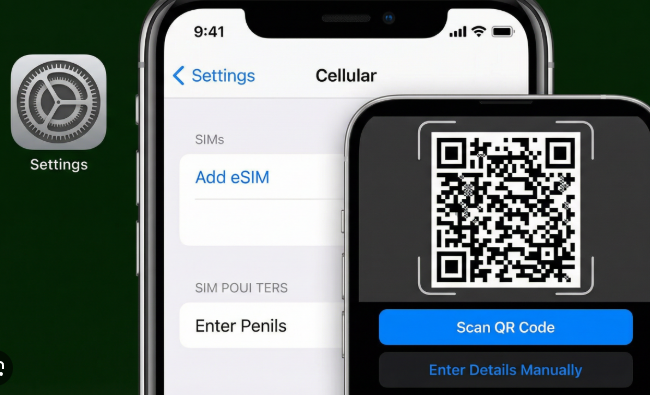
VISITKOREA Electricity & Communications
For many travelers, eSIM is the most convenient answer. VISITKOREA explains that prepaid eSIM can be purchased online and activated through a QR-code-based setup, without needing an offline store visit. That is why eSIM often feels simpler for short-term visitors who want to land and go.
This matters even more after a long flight. You do not need to open your phone tray, keep track of a tiny SIM card, or stand in line if you already arranged your setup before departure. So, if your phone supports eSIM, this is usually the most streamlined option. The first sentence is based on the source; the last sentence is my inference from the setup method.
3. When a Physical SIM Card Is Better
A prepaid physical SIM still makes sense for many first-time visitors. VISITKOREA says travelers can buy prepaid SIM cards at CU in Incheon International Airport and at 7-Eleven stores in Seoul, Busan, Jeju, and other major cities. The same guide says these prepaid SIM cards usually cost less than roaming and can offer plans ranging from 1 to 90 days.
That makes a physical SIM a strong choice if you want something simple and familiar. It also works well for travelers who prefer to buy internet access only after arriving in Korea rather than setting everything up in advance. This recommendation is an inference based on the official retail options and plan structure.
4. Who Should Consider a Wi-Fi Egg?
A Wi-Fi egg is not the best fit for everyone, but it can still be useful. VISITKOREA says major Korean airports offer Wi-Fi egg rentals, and Incheon Airport lists Wifi dosirak counters in both Terminal 1 and Terminal 2.
In practical travel terms, a Wi-Fi egg makes the most sense when more than one device or more than one person needs internet access at the same time. For example, it can be helpful for couples sharing one connection, families traveling with children, or people carrying a phone, tablet, and laptop together. That is an inference from the fact that it is a separate portable internet device rather than an individual SIM tied to one phone.
The downside is equally simple: you need to carry it, charge it, and remember not to lose it. Because of that, solo travelers often prefer eSIM or a regular prepaid SIM instead.
5. Where Can You Buy One After Landing?
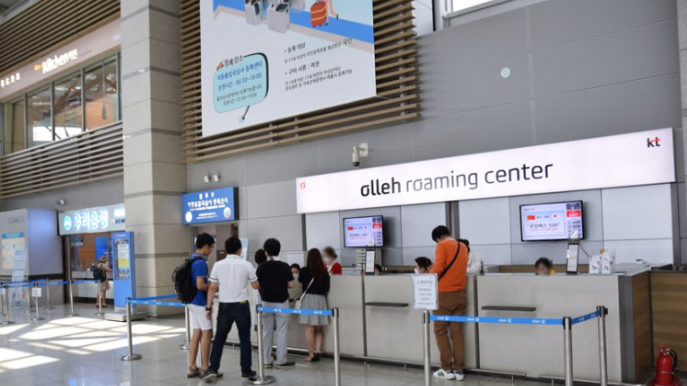
If you prefer to arrange everything after arrival, Incheon Airport gives you plenty of options. The airport’s official English guide lists KT, SK Telecom, and LG U+ roaming centers across both terminals, including several 24-hour counters in Terminal 1 and Terminal 2.
That is especially useful for late-night arrivals. Even if your flight lands very early or very late, you may still have access to a telecom counter at the airport. In other words, travelers do not always need to panic about setting up mobile data before the flight. The first sentence is sourced; the second is a practical inference from the listed 24-hour operations.
6. Can You Just Use Free Wi-Fi?
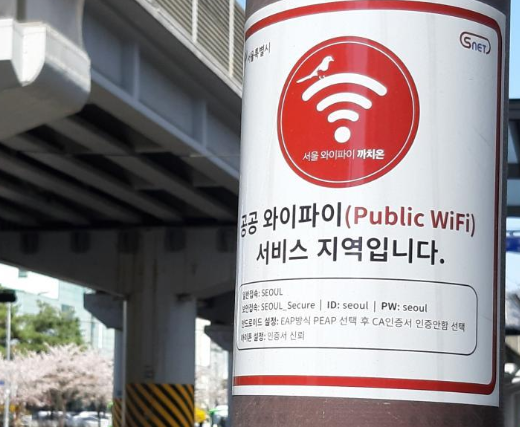
Technically, yes. Realistically, it is better as a backup.
VISITKOREA says free public Wi-Fi is available in many public spaces in Korea, including airports, subway stations, train stations, and certain bus stops. It also notes that coffee shops and PC rooms are common internet access points.
However, relying only on public Wi-Fi can become annoying once you start moving around the city. You may need internet while walking outside, checking directions, translating signs, receiving booking messages, or using transport and taxi apps. So, while free Wi-Fi is helpful, most travelers will still have a smoother trip with their own mobile connection. The first part is sourced; the rest is a practical travel inference.
7. The Best Choice for Different Types of Travelers
If you want the simplest recommendation, use this:
Choose eSIM if you are traveling alone, your phone supports it, and you want the fastest setup.
Choose a prepaid SIM if you want a personal, familiar option and like the idea of buying at the airport or a convenience store.
Choose a Wi-Fi egg if you are traveling with another person or carrying multiple devices that need to stay connected.
This section is a recommendation built from the official purchase channels, rental availability, and setup methods described by VISITKOREA and Incheon Airport.
8. Final Thoughts
The best Korea SIM card guide does not start with prices. It starts with convenience.
For most travelers in 2026, eSIM is the easiest answer. A prepaid SIM is still a great option if you want a simple airport purchase. A Wi-Fi egg is more niche, but it remains useful for groups and heavier device users. Korea’s official tourism and airport guides show that all three options are accessible, which means the real question is not whether you can get connected. It is which setup fits your travel style best.
FAQ
Can I buy a SIM card at Incheon Airport?
Yes. VISITKOREA says prepaid SIM cards can be bought at CU in Incheon International Airport, and Incheon Airport also lists multiple telecom counters in both terminals.
Are there 24-hour telecom counters at the airport?
Yes. Incheon Airport’s official guide lists 24-hour KT, SK Telecom, and LG U+ roaming counters in both Terminal 1 and Terminal 2.
Is free Wi-Fi common in Korea?
Yes. VISITKOREA says free public Wi-Fi is available in many public places such as airports, subway stations, train stations, and some bus stops.
Which option is best for most first-time visitors?
Usually eSIM. That is an inference based on the official QR-code-based online setup and the fact that it does not require a store visit.