If you’re planning a trip, there are several important things to understand before visiting South Korea.
From high-tech cities to late-night food culture, Korea is exciting and easy to travel in — but there are a few important things you should know before you go.
Here are 10 essential travel tips to help you prepare for your trip to South Korea in 2026.
1. You Rarely Need Cash
South Korea is one of the most cashless countries in the world.
Credit cards are accepted almost everywhere:
- Restaurants
- Cafés
- Convenience stores
- Even many small shops
You may only need cash for traditional markets or very small vendors.
Tip: Bringing around ₩50,000–₩100,000 in cash is usually enough.
2. Google Maps Doesn’t Work Perfectly
Many first-time visitors are surprised by this.
Due to mapping regulations, Google Maps may not provide accurate walking or transit directions in certain areas of Korea.
Instead, download:
- Naver Map
- Kakao Map
These apps provide significantly more accurate navigation and real-time updates on public transportation.
3. Public Transportation Is Extremely Efficient3
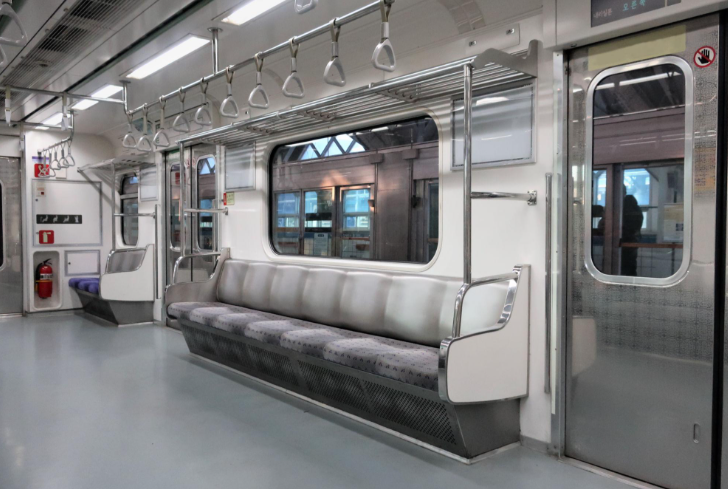
Korea’s public transportation system is clean, fast, and affordable.
You can use a T-money card for:
- Subways
- Buses
- Some taxis
Average subway fare: ₩1,550–₩1,500
Most travelers spend around ₩5,000–₩8,000 per day on transportation.
4. Tipping Is Not Required
Tipping is not a customary practice in Korean culture.
You do not need to tip:
- Restaurants
- Cafés
- Taxis
- Hotels
Service charges are already included in the price.
5. Convenience Stores Are Everywhere
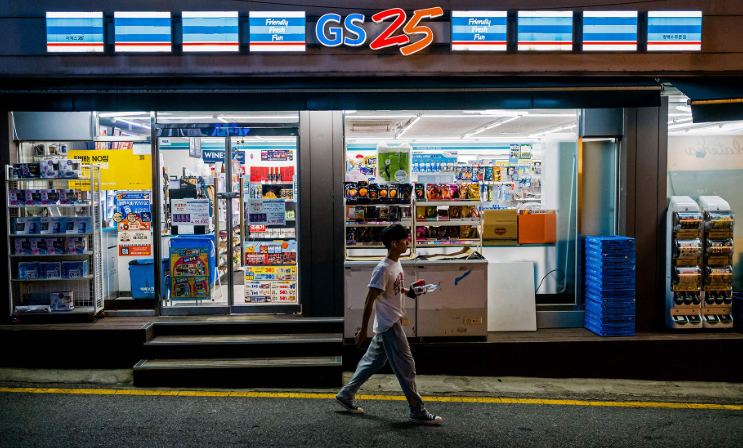
Korea has one of the highest densities of convenience stores in the world.
You can:
- Eat instant ramen using in-store machines.
- Buy full meals
- Withdraw cash
- Recharge transportation cards
Budget meal examples:
- Triangle kimbap: ₩1,200–₩1,800
- Cup ramen: ₩1,500–₩2,000
- Bento box: ₩4,000–₩6,000
Convenience stores are extremely helpful for budget travelers.
6. Public Trash Bins Are Hard to Find
Unlike many countries, Korea has very few public trash cans.
Most people:
- Carry their trash
- Throw it away at subway stations.
- Dispose of it in convenience stores.
Keeping a small plastic bag in your backpack is a smart idea.
7. Korea Is Very Safe — Even at Night
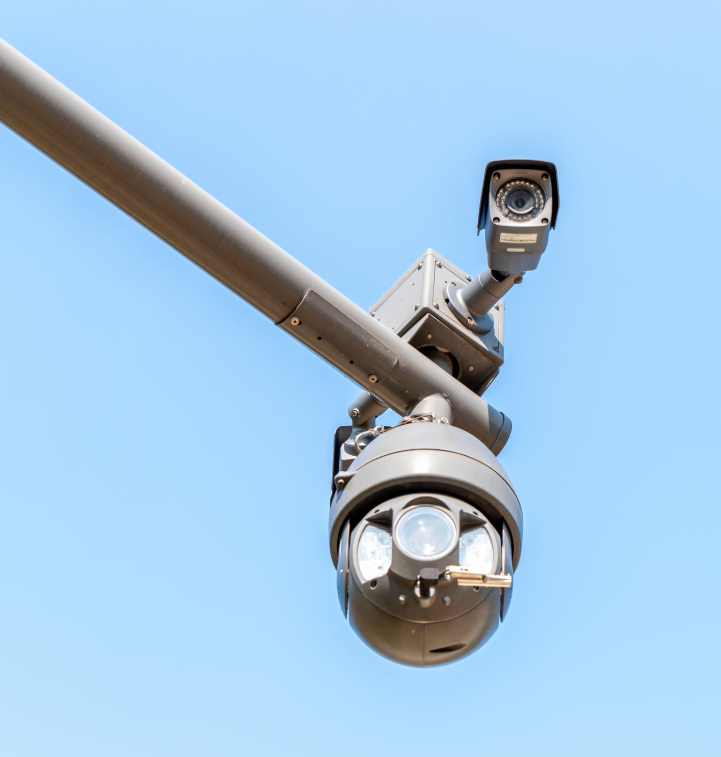
South Korea is considered one of the safest countries in Asia.
- Extensive CCTV coverage
- Low violent crime rate
- Active nightlife areas
While you should always follow normal travel precautions, most visitors feel safe walking at night.
8. Some Restaurants Close Earlier Than You Expect
Although Korea has many 24-hour businesses, regular restaurants often:
- Close around 9–10 PM
- Have break times (usually 3–5 PM)
Always check the opening hours before visiting.
9. Wi-Fi Is Fast and Widely Available
Korea is famous for its high-speed internet.
Free Wi-Fi is available in:
- Cafes
- Subway stations
- Airports
For stable access, consider:
- A local SIM card
- eSIM
- Portable Wi-Fi rental
10. How Much Does It Cost to Travel to South Korea?
Here’s a realistic daily budget estimate for Seoul:
| Food | ₩20,000–₩35,000 |
| Transportation | ₩5,000–₩8,000 |
| Coffee | ₩5,000–₩8,000 |
| Attractions | ₩5,000–₩20,000 |
| Hotel (3-star) | ₩80,000–₩150,000 |
Daily total: ₩120,000–₩200,000
(Approximately $90–$150 USD)
7-Day Budget Estimate (Excluding Flights)
Budget Traveler:
₩700,000–₩900,000
Mid-Range Traveler:
₩1,000,000–₩1,300,000
Final Thoughts
South Korea is modern, safe, and surprisingly easy to travel in — even for first-time visitors.
If you understand these key points before visiting South Korea, your trip will be smoother, more comfortable, and more enjoyable.
Planning your Korea trip soon? Save this guide for later.
FAQ About Visiting South Korea
Is South Korea expensive for tourists?
South Korea is moderately priced compared to Japan and Singapore…
Is Korea safe for first-time visitors?
Yes, Korea is considered one of the safest countries in Asia…
How much money do I need before visiting South Korea?
For a 7-day trip, most travelers spend between ₩700,000 and ₩1,300,000 excluding flights.
Pingback: How to Buy Medicine in Korea: 7 Helpful Travel Tips - Korean Culture Life
Pingback: Korean Self-Photo Booths: Why Tourists Love Them - Korean Culture Life
Pingback: Korean Subway Etiquette: 8 Easy Rules - Korean Culture Life
Pingback: Korean Daiso Guide: Why Tourists Love It - Korean Culture Life
Pingback: Olive Young in Korea: Why Tourists Love It - Korean Culture Life
Pingback: How to Use Taxi Apps in Korea: Kakao T vs k.ride for Tourists (2026) - Korean Culture Life
Pingback: Where Can You Store Luggage in Korea? Easy Guide to Subway Lockers and T-Luggage - Korean Culture Life
Pingback: Korea e-Arrival Card vs K-ETA: What Travelers Actually Need in 2026 - Korean Culture Life
Pingback: How to Pay in Korea: Cards, Cash, Tips & Apps - Korean Culture Life
Pingback: Bukchon Tourist Curfew: Hours, Rules & Fines in 2026 - Korean Culture Life
Pingback: Korean Restaurant Call Bell: A First-Timer’s Guide - Korean Culture Life
Pingback: How to Use Taxis in Korea in 2026: Apps, Fares, Tips - Korean Culture Life
Pingback: Korean Restaurant Guide for First-Time Visitors - Korean Culture Life
Pingback: Korea SIM Card Guide: eSIM, SIM, or Wi-Fi Egg? - Korean Culture Life
Pingback: Send Package from Korea: Easy Post Office Guide - Korean Culture Life
Pingback: KTX in Korea: How to Book and Ride It Easily - Korean Culture Life
Pingback: Korea Map Apps: What Travelers Should Use - Korean Culture Life
Pingback: Why Do So Many Tourists Go to Myeongdong First When They Visit Korea? - Korean Culture Life
Pingback: s Starfield Library in Seoul Worth Visiting? - Korean Culture Life